Private Label Coffee: Your Own Coffee Brand, Sourced and Shipped Worldwide
Private label coffee is coffee produced by a supplier and sold under your brand: a supermarket's own label, a café chain's retail bags, a hotel group's in-room coffee or an online coffee brand. Candora Trading runs private label coffee programmes for retailers, distributors and brands in the USA, the UK, Europe, the Middle East and Asia. We source the green coffee from 15 producing countries, agree the blend and roast profile with you, and deliver it packed in your bags. This guide explains how a private label coffee programme works, what drives cost, which import rules apply in the USA and other markets, and how to start with a pilot before committing to container volume.
 By Rikard Kunsinsh, Candora TradingPublished November 10, 2026

How a Private Label Coffee Programme Works
A programme runs in five steps. First you define the product: whole bean or ground, single origin or blend, roast level and the price point you need on shelf. Second, we propose green coffee lots that fit that brief and send samples for cupping. Third, the roast profile is fixed and documented so every batch matches the approved sample. Fourth, your artwork goes on the bag, and the bags are filled, sealed and palletised. Fifth, the coffee ships with full lot documentation to your warehouse or distribution centre. Repeat orders reuse the approved specification, so the second order moves faster than the first.
Choosing Origins and Blends for Your Brand
Most private label ranges combine a volume base with one or two origins that give the cup its character. A common structure is a Brazilian or Vietnamese base for price stability, paired with Colombia, Ethiopia or Kenya for sweetness, acidity or fruit notes. Brazil offers mild natural-processed Arabica and Conilon (Robusta) for espresso blends; Colombia is graded as Supremo or Excelso; Ethiopia and Kenya bring floral and fruity single-origin profiles that work well as a premium tier. We source against a buyer-specified screen size, cup profile and defect tolerance, which keeps a private label blend consistent from one shipment to the next.

Whole Bean, Ground and Packaging Options
Whole bean coffee keeps its flavour longer and suits specialty shelves and online sellers. Ground coffee is the larger volume line in supermarkets and convenience retail, and the grind is set for the main brew method of your customers, filter, espresso or cafetière. Bags for roasted coffee need a one-way degassing valve, because fresh coffee releases carbon dioxide for several days after roasting. Printed bags carry your brand, the origin or blend name, roast level, net weight, best-before date and the importer details your market requires. Stickers on a base bag design can separate several blends without paying for a new print plate per flavour.
Certified Coffee: Organic, Rainforest Alliance and Fairtrade
Many retailers set certification requirements for their own-label coffee. We source green coffee against organic, Rainforest Alliance or conventional specifications, and the requirement should be stated at quote stage so the right lots are reserved. Certification applies through the whole chain: an organic claim on your bag needs certified green coffee and a certified roasting and packing step. For buyers selling into the European Union, the EU Deforestation Regulation (EUDR) covers coffee, so importers need traceability data back to the plot of land where the coffee was grown. We provide lot documentation with every shipment to support that due diligence.
Private Label Coffee for the USA: FDA and Import Rules
For buyers importing into the United States, the facility that roasts and packs the coffee must hold a current FDA food facility registration. The US importer of record needs a Foreign Supplier Verification Program (FSVP) plan for that supplier, and FDA Prior Notice must be filed before every shipment arrives. Labels need an English product name, net quantity in both ounces and grams, and the name and address of the manufacturer, packer or distributor. Coffee is one of the few food categories where the US applies no general import duty on plain roasted or green coffee, which makes landed cost easier to plan than for most confectionery. Freight to the US East Coast normally takes 12–16 days by ocean and 18–24 days to the West Coast.
Have questions before you keep reading?
Get pricing, MOQs and lead times for your market.
Shipping Private Label Coffee Worldwide
Outside the USA, requirements depend on the destination. In the EU, labels follow Regulation 1169/2011 in the language of the country of sale, and EUDR traceability applies to coffee. In the UK, imports need customs clearance and a UK importer address on the pack. In the Gulf states, Arabic labelling is standard and many retailers ask for halal certification of the packing facility. Australia checks imported food against the Food Standards Australia New Zealand code at the border. We confirm the destination's label and document rules before your bags are printed, because a reprint after production is the most expensive mistake in a private label programme.
Pilot Orders, Volumes and Lead Times
You can start with a pilot. On the green coffee side, a pilot starts from a single pallet, roughly 300–600 kg or 5–10 bags of 60 kg, which is enough to test a blend with real customers. Established programmes move to 20ft or 40ft FCL shipments as volume grows. The first order takes longer than repeat orders because samples, roast approval and printed bags all happen once; after that, the approved specification is reused. Roasted coffee loses freshness faster than green coffee, so we plan production close to your sales calendar and agree a minimum remaining shelf life on arrival.
What Drives the Price of Private Label Coffee
Four factors set the price per bag. Green coffee is the largest cost and moves with the coffee market and the origin you choose: a Brazil or Vietnam base costs less than an Ethiopian or Kenyan single origin. Roast loss matters too, because coffee loses weight in the roaster, so one kilo of roasted coffee needs more than one kilo of green. Packaging, the bag, valve, print and pack size, is a fixed cost per unit that falls with volume. Freight, insurance and any import duty complete the landed cost. Compare offers on landed cost per kilo of roasted coffee delivered, not on the green coffee price alone.

Why Source Private Label Coffee Through Candora Trading
Candora Trading combines green coffee sourcing from 15 origins with the packing and export side of a private label programme, so you work with one partner from cupping sample to delivered pallet. We hold the approved specification, check certificates for the facilities that handle your order, and prepare export documents for the USA and other markets. Buyers who already stock our confectionery can add a coffee line to the same commercial relationship. To start, tell us your market, target price point, whole bean or ground, and the volume you expect in the first year.
FAQ
Frequently asked questions
Private label coffee is coffee sourced, roasted and packed by a supplier and sold under the buyer's own brand. The buyer controls the brand, the price and the shelf; the supplier handles green coffee, roasting specification and packing.
A pilot starts from a single pallet of green coffee, roughly 300–600 kg, which is enough to test a blend. Established programmes move to 20ft or 40ft container shipments. The exact minimum for printed bags is quoted per programme because it depends on bag size and print.
Yes. The roasting and packing facility needs an FDA food facility registration, the US importer needs an FSVP plan, and Prior Notice is filed for each shipment. Plain coffee is generally not subject to US import duty.
We source from 15 producing countries, including Brazil, Colombia, Ethiopia, Kenya and Vietnam. Most private label ranges use a Brazilian or Vietnamese base for price stability with one premium origin for flavour.
Yes. We source green coffee against organic, Rainforest Alliance or conventional specifications. State the certification at quote stage, because both the green coffee and the roasting and packing step must be certified for the claim to appear on your bag.
White label coffee is a ready-made blend sold to several brands with only the label changed. Private label coffee is built around your brief, with your own blend, roast profile and packaging specification, so the product is exclusive to your brand.
Ready to get started?
Contact our team to discuss volumes, pricing, and supply structures for your market.
Related
Explore more
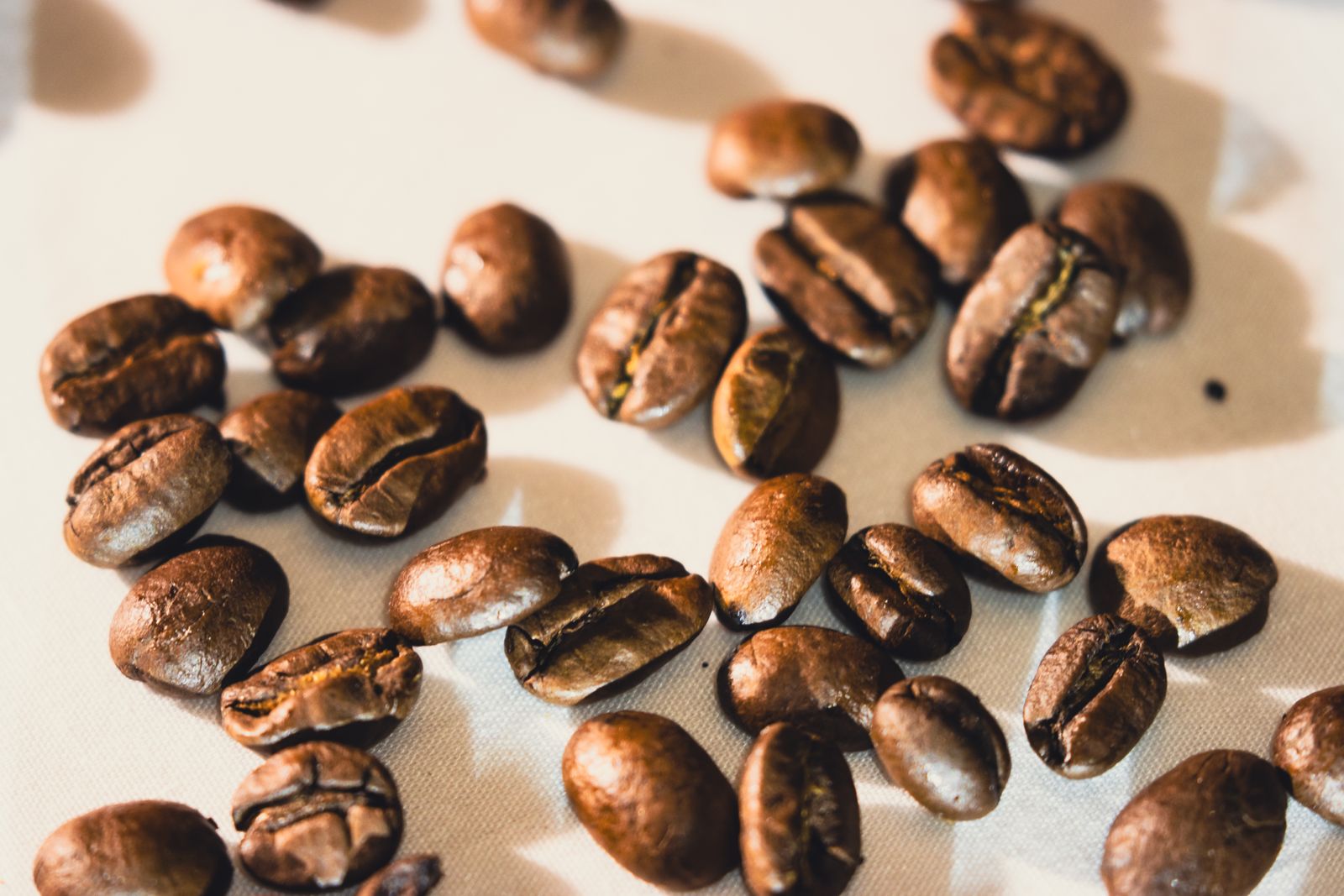
Coffee
Coffee Wholesale: Green Coffee Sourcing by Origin
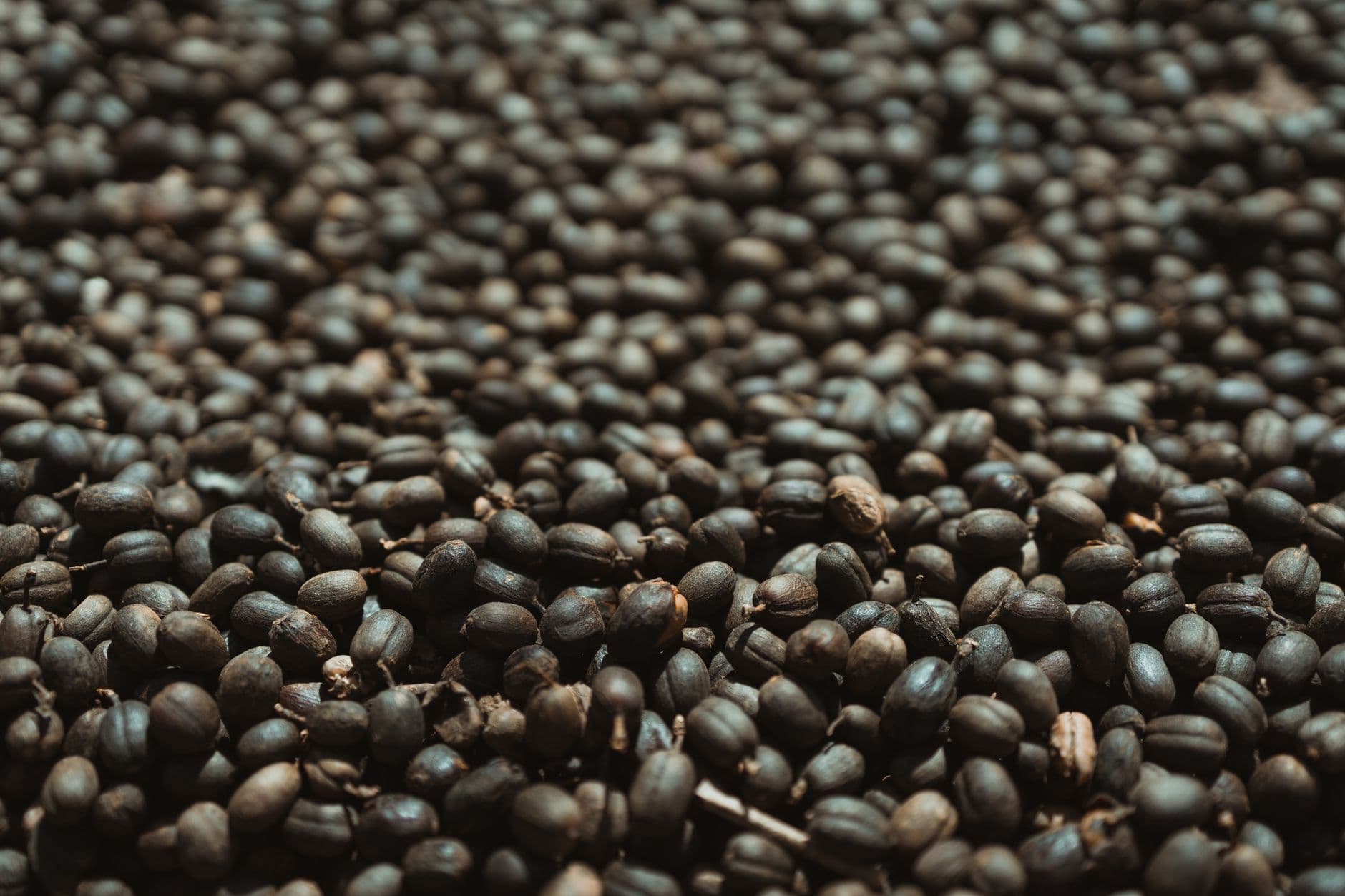
Coffee
Brazil Coffee Wholesale: Sourcing Guide for Roasters, Distributors and Importers
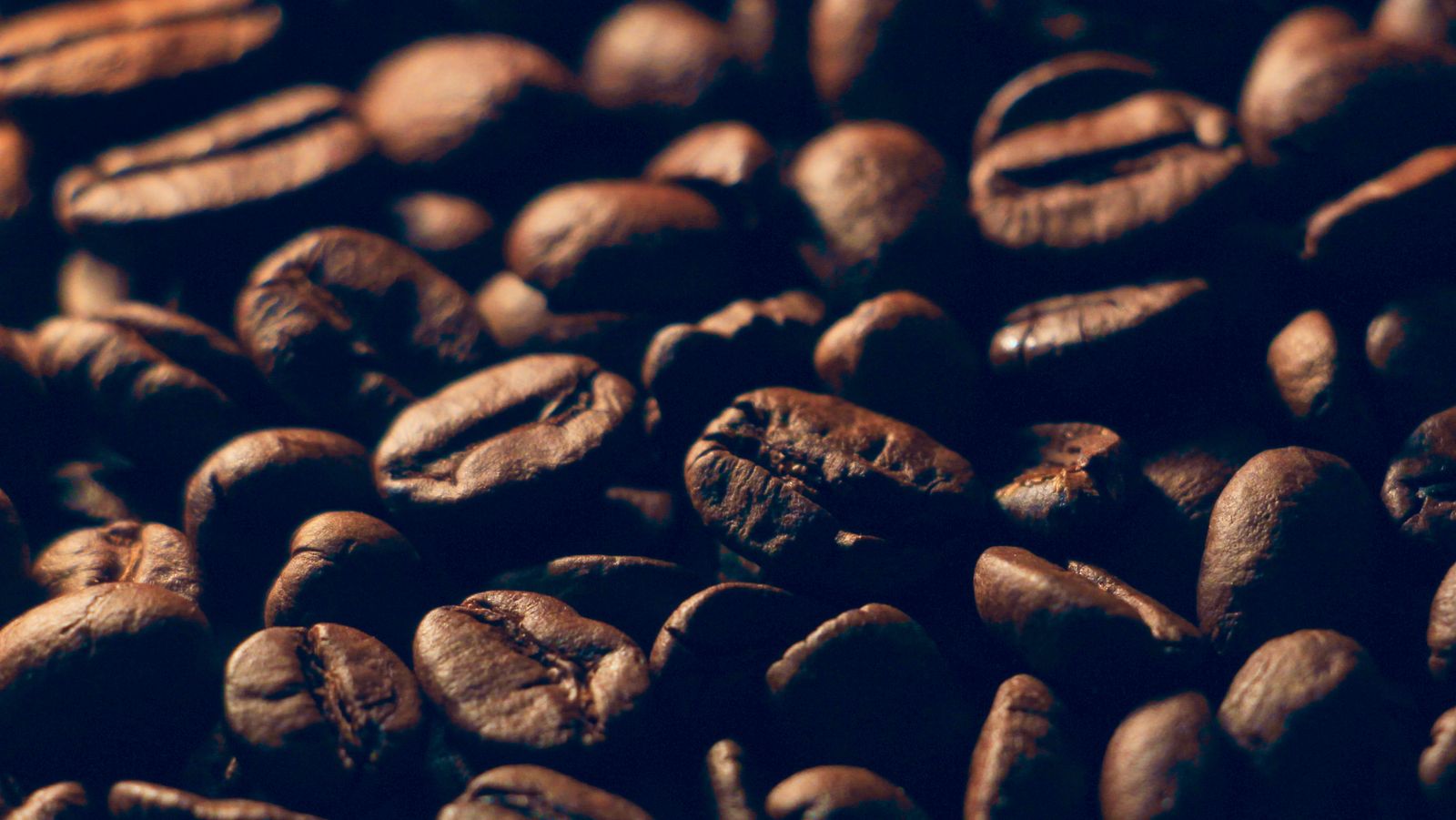
Coffee
Colombia Coffee Wholesale: A Buyer's Guide to Sourcing Washed Arabica
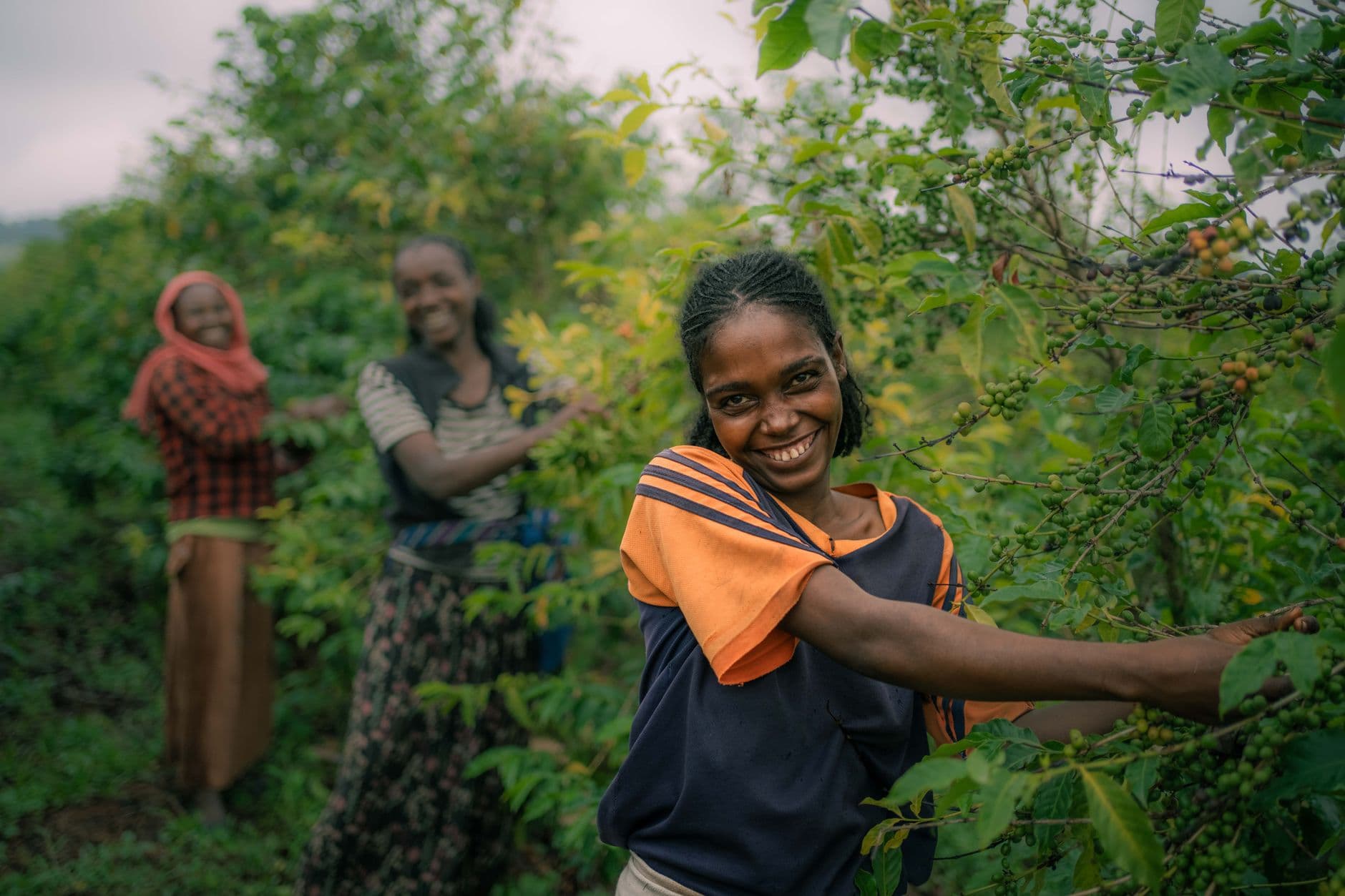
Coffee
Ethiopia Coffee Wholesale: Sourcing Heirloom Arabica for Specialty and Blend Programmes
Coffee
Vietnam Coffee Wholesale: The Buyer's Guide to Sourcing Robusta
Private Label
Private Label & White Label Candy Manufacturing