Colombia Coffee Wholesale: A Buyer's Guide to Sourcing Washed Arabica
Colombia is the world's largest producer of washed, high-grown Arabica and the origin most closely associated with "mild coffee" in the international trade — the benchmark most other washed-Arabica origins are priced and cupped against. For roasters and distributors, Colombian coffee wholesale means dependable sweetness, balanced acidity, and clean processing, backed by one of the most professionalised producer organisations in the coffee world. Candora Trading sources Colombian green coffee from vetted exporters across Huila, Nariño, and Antioquia, with programmes structured from pallet-level pilot orders through to full container shipments out of Buenaventura and Cartagena.
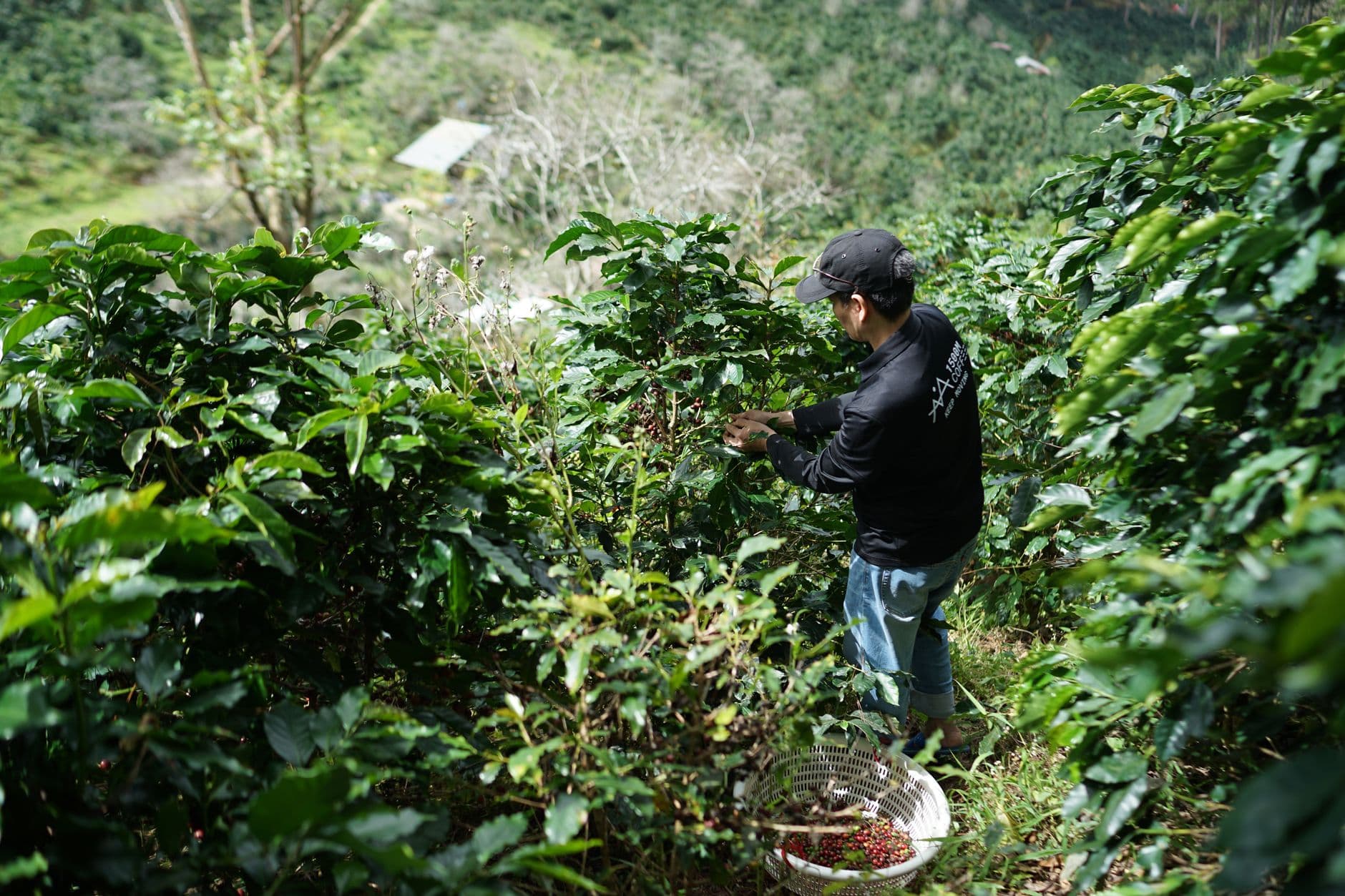
Colombia Coffee: Origin Profile
Colombian coffee is grown almost entirely in the Andean mountain ranges at altitudes of 1,200–2,000m, producing washed Arabica with balanced acidity, medium body, and a characteristic clean sweetness — caramel, red fruit, and citrus notes depending on region. Huila and Nariño in the south produce the country's brightest, most complex cups and dominate the specialty segment; Antioquia, Tolima, and Caldas in the coffee "Eje Cafetero" heartland supply the bulk of commercial-grade washed Arabica that anchors Colombian export volume. Because Colombia grows almost exclusively Arabica — Robusta cultivation is negligible — the entire national brand is built around washed-process quality, which is why "Colombian" functions as a quality signal on its own in many retail markets.
Colombia Coffee Wholesale Market
Colombia exports around 12–13 million 60kg bags annually, making it the third-largest coffee exporter globally after Brazil and Vietnam, and the largest producer of washed Arabica specifically. The Federación Nacional de Cafeteros (FNC) — the national growers' federation — provides a level of quality infrastructure, price transparency, and export standardisation that is unusual among coffee-producing countries, which is one reason Colombian coffee commands a consistent premium over the New York "C" benchmark. For wholesale buyers, this means predictable grading and fewer surprises between sample and shipped lot than in less-structured origins.
Grading & Quality Standards for Colombian Coffee
Colombian green coffee is graded primarily by bean size using screen sieves: Supremo (screen 17 and above, the premium export grade) and Excelso (screen 14–16, the standard commercial export grade). Excelso EP (Europa Preparation) is the most common blend of the two and the default export specification most buyers start with. Beyond size, lots are cupped and classified for defect count and cup cleanliness, with FNC-certified export houses providing standardised documentation. Candora Trading sources against buyer-specified grade (Supremo or Excelso), regional origin, and cup profile, so private label programmes get a consistent, repeatable spec shipment to shipment.
Sourcing Colombian Coffee Wholesale: Your Options
Buyers can source Colombian coffee direct from cooperatives and individual fincas (common for specialty roasters chasing traceable, single-farm lots), through FNC-affiliated export houses (the standard route for volume buyers wanting graded, documented lots), or through a trading partner who manages supplier vetting and consolidation. Direct cooperative relationships offer the strongest traceability story but require in-country coordination and higher minimum commitments. Candora Trading works with established Colombian exporters across the main producing zones, giving buyers access to regional, grade-specific lots without managing origin logistics directly — and without container-only minimums locking out smaller buyers testing the market.
MOQ, Order Sizes and Pricing
Pilot orders for Colombian coffee start from a single pallet (roughly 300–600kg, or 5–10 x 70kg bags — Colombian export bags are typically 70kg rather than the 60kg standard used elsewhere). This gives roasters and smaller distributors a genuine test-before-you-commit entry point. Standard programmes scale to part-container and full 20ft/40ft FCL shipments for larger volume needs. Pricing is quoted against the ICE Arabica benchmark plus the Colombian regional/grade differential, which typically runs at a premium to Brazilian Arabica given the washed-process quality and FNC infrastructure behind it.
Have questions before you keep reading?
Get pricing, MOQs and lead times for your market.
Lead Times, Logistics and Shipping from Colombia
Colombian green coffee exports primarily through the Pacific port of Buenaventura and the Caribbean ports of Cartagena and Santa Marta, giving flexible routing to both European and North American destinations. Ocean freight transit runs approximately 2–3 weeks to the US East Coast (among the shortest of any major origin, given Colombia's proximity), 3–4 weeks to Europe, and 5–6 weeks to Asia-Pacific. From order confirmation, pilot pallet orders typically ship within 2–3 weeks; full container programmes run 4–7 weeks depending on regional lot availability.
Certifications and Documentation to Verify
Standard documentation includes FNC export certification, Certificate of Origin, phytosanitary certificate, and a cupping report specific to the lot. Colombia has one of the highest concentrations of Rainforest Alliance and Fairtrade certified smallholder production of any origin, along with a growing organic segment concentrated in Cauca, Nariño, and Sierra Nevada de Santa Marta. Candora Trading can source specifically against Rainforest Alliance, Fairtrade, or organic specifications for buyers targeting certified retail or private label channels, with full documentation supplied per lot.
Harvest Calendar and Availability
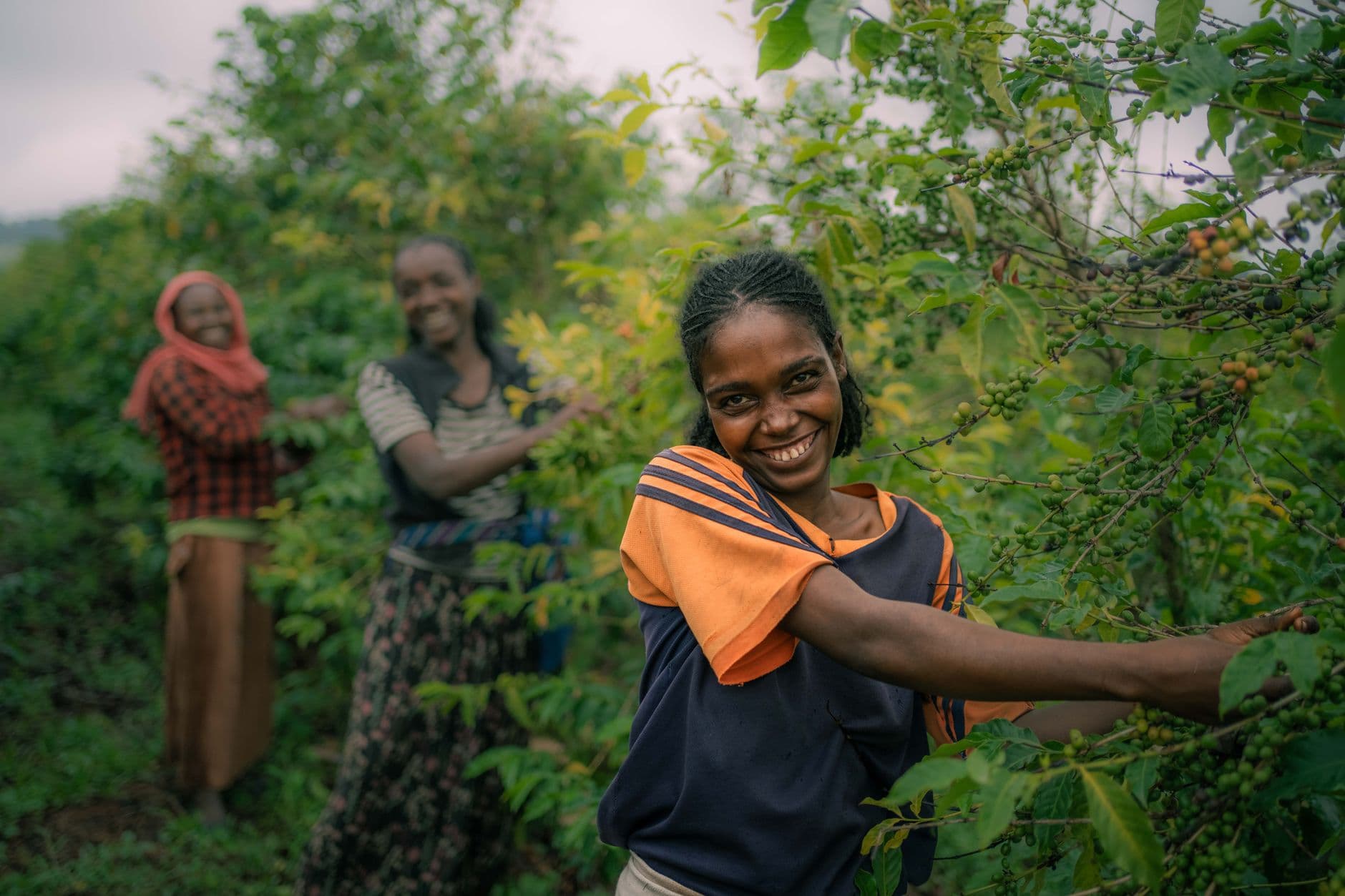
Colombia's bimodal rainfall pattern gives it two harvests a year rather than one — the main "cosecha" harvest runs October to December, and the secondary "mitaca" harvest runs April to June. This dual-crop cycle is a genuine sourcing advantage: it means fresher crop is available roughly twice as often as in single-harvest origins, which matters for buyers who prioritise crop freshness in specialty and premium filter programmes.
Why Work With Candora Trading for Colombian Coffee
Candora Trading structures Colombian coffee supply for buyers who want the reliability of washed Arabica without navigating FNC export relationships directly. We source against your specified grade, region, and certification requirements, with pilot-pallet entry points for buyers testing the market and full container capacity for established distributors and private label brands.
FAQ
Frequently asked questions
Supremo is screen 17+ (larger bean size, premium grade); Excelso is screen 14–16 (standard commercial export grade). Excelso EP is the most common blend and default specification for most wholesale orders.
Pilot orders start from a single pallet — roughly 300–600kg or 5–10 x 70kg bags. Standard programmes scale to part-container and full 20ft/40ft FCL shipments.
Colombia produces exclusively washed Arabica at higher altitudes with FNC-backed quality infrastructure, which commands a consistent premium over the ICE benchmark compared to Brazil's larger, more industrial-scale production.
Yes. Colombia has a high concentration of Rainforest Alliance and Fairtrade certified smallholder production, plus a growing organic segment in Cauca and Nariño. Specify your certification requirement when requesting a quote.
Ocean freight runs approximately 2–3 weeks to the US East Coast, 3–4 weeks to Europe, and 5–6 weeks to Asia-Pacific from Buenaventura or Cartagena.
Colombia has two harvests annually — the main crop (October–December) and the secondary mitaca crop (April–June) — giving more frequent access to fresh crop than single-harvest origins.
Yes. We can source specifically from Huila, Nariño, Antioquia, or other named regions for buyers who want a defined origin story for private label or specialty programmes.
Ready to get started?
Contact our team to discuss volumes, pricing, and supply structures for your market.
Related
Explore more
Coffee
Brazil Coffee Wholesale: Sourcing Guide for Roasters, Distributors and Importers
Coffee
Peru Coffee Wholesale: Sourcing Organic and Fairtrade Arabica
Coffee
Guatemala Coffee Wholesale: Sourcing High-Grown Arabica From Eight Distinct Regions
Coffee
Coffee Wholesale: Green Coffee Sourcing by Origin
Coffee
Become a Coffee Supplier: Sell Green Coffee Beans to Candora Trading
Confectionery
Become a Supplier Partner: Expand Your Global Reach with Candora Trading