Brazil Coffee Wholesale: Sourcing Guide for Roasters, Distributors and Importers
Brazil is the largest coffee producer and exporter on earth, supplying roughly a third of the world's green coffee. For roasters, distributors and importers, Brazilian coffee wholesale is the default starting point for any blend, private label programme, or new market launch — it is consistently available, price-competitive, and covers everything from clean, mild natural-processed Arabica to bold Conilon (Robusta) for espresso blends. This guide covers what buyers actually need to know before placing an order: origin characteristics, grading, MOQs, and how to structure a supply relationship that scales. Candora Trading sources Brazilian green coffee for roasters, private label brands, and distributors worldwide, with programmes structured from single-pallet pilot orders through to full 20ft and 40ft container shipments out of the Port of Santos.
Brazil Coffee: Origin Profile
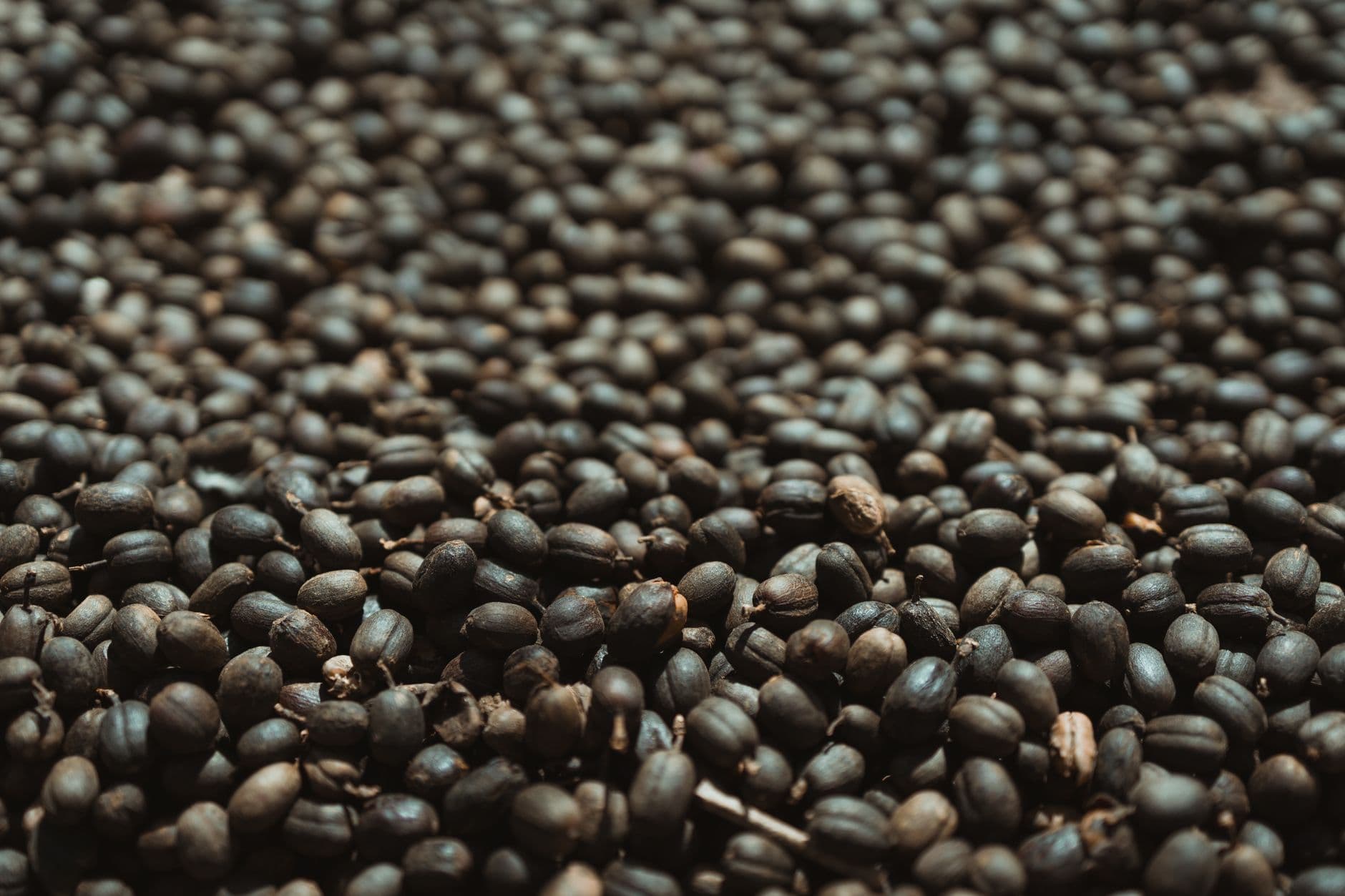
Brazilian coffee is grown across a wide belt of producing states, each with a distinct profile. Minas Gerais — including the Sul de Minas and Cerrado Mineiro regions — produces the bulk of Brazil's fine-cup Arabica: low-acid, chocolate and nutty in the cup, with the consistency that makes it a workhorse for blends and single-origin filter programmes alike. São Paulo (Mogiana) and Bahia add further Arabica volume with similar sweet, soft-cup characteristics. Espírito Santo is Brazil's Conilon (Robusta) heartland, supplying the bulk material used in espresso blends, instant coffee manufacturing, and value-tier retail blends. Altitudes across Brazil's producing regions are comparatively low (400–1,200m), which is part of why Brazilian Arabica reads mild and low-acid rather than bright or fruit-forward — a profile buyers specifically source when they need a stable blend base.
Brazil Coffee Wholesale Market
Brazil exports over 40 million 60kg bags of green coffee annually, more than the next two largest exporters combined. Roughly 70–75% of national output is Arabica, with Conilon making up the remainder and growing in share as espresso and instant coffee demand rises globally. The scale of Brazilian production means pricing tracks the ICE Arabica ("C") futures market closely, giving wholesale buyers a transparent, liquid reference price — unlike many origins where pricing is opaque until you're deep into supplier conversations. This makes Brazil the easiest origin to budget against and the most common blend base worldwide.
Grading & Quality Standards for Brazilian Coffee
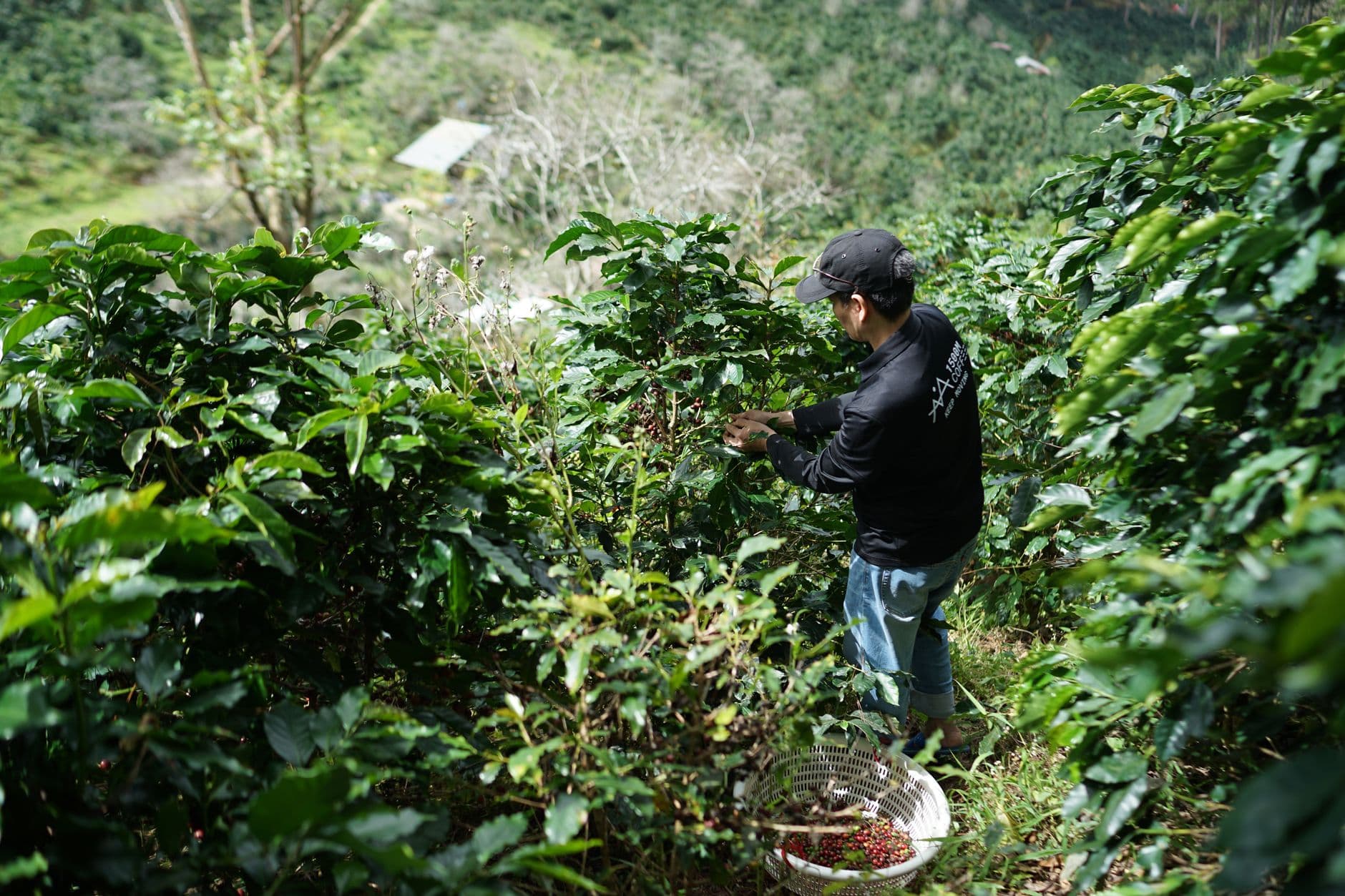
Brazilian green coffee is graded on a combination of screen size, defect count, and cup classification. Screen 17/18 is the commercial standard for export-grade Arabica; screen 19+ commands a premium for larger, more uniform beans. Cup quality runs from Strictly Soft and Soft (cleanest, sweetest cups, used for specialty and premium blends) down through Hard and Rioy (used almost exclusively in industrial and instant coffee production). Defect counts follow the Brazil "type" system (Type 2 through Type 6), where Type 2/3 represents export-quality lots with minimal black, sour, or broken beans. Candora Trading sources against buyer-specified screen size, cup classification, and defect tolerance rather than a single fixed spec, so private label and blend programmes get consistent, repeatable lots.
Sourcing Brazilian Coffee Wholesale: Your Options
Buyers generally have three routes into Brazilian coffee: direct relationships with individual fazendas (farms), Brazilian export houses that consolidate multiple farms into graded, exportable lots, or a trading partner that manages supplier selection, quality control, and logistics on the buyer's behalf. Direct farm relationships work well for large roasters chasing a specific single-farm story, but require significant volume commitment and in-country due diligence. Export houses offer graded consistency at scale but limited flexibility on smaller or mixed-spec orders. A trading partner model — which is how Candora Trading operates — sits between these: we work with vetted Brazilian exporters across multiple regions, so buyers get graded, documented lots without managing origin relationships themselves, and without being locked into container-only minimums.
MOQ, Order Sizes and Pricing
Because Brazil is a high-liquidity origin, Candora Trading is able to offer Brazilian green coffee at genuinely small entry points. Pilot orders start from a single pallet (roughly 300–600kg, or 5–10 x 60kg bags), which is enough for a roaster to test a lot before committing further. Standard programmes scale through part-container and full 20ft (approx. 19 tonnes) or 40ft (approx. 21 tonnes) FCL shipments for distributors and larger roasting operations. Pricing is quoted against the ICE "C" market plus an origin/quality differential specific to the region, screen size, and cup classification selected, so buyers always know what they're paying relative to the benchmark price.
Have questions before you keep reading?
Get pricing, MOQs and lead times for your market.
Lead Times, Logistics and Shipping from Brazil
Green coffee is exported from Brazil primarily through the Port of Santos — the largest coffee export port in the world — with secondary volume moving through Paranaguá and Vitória (for Espírito Santo Conilon). Ocean freight transit runs approximately 3–5 weeks to European ports, 3–4 weeks to the US East Coast, and 4–6 weeks to Asia-Pacific destinations. From order confirmation, pilot pallet orders typically ship within 2–3 weeks; full container programmes run 4–8 weeks depending on lot availability and consolidation requirements. Brazil's mature export infrastructure and high shipping frequency make it one of the most logistically reliable origins to build a repeat supply programme around.
Certifications and Documentation to Verify
Standard documentation for Brazilian coffee wholesale includes the Certificate of Origin, phytosanitary certificate, and a cupping/quality report tied to the specific lot. For buyers targeting specialty, organic, or sustainability-driven retail channels, Rainforest Alliance and UTZ (now merged) certified lots are widely available from Brazil given the scale of certified farming there, along with organic-certified lots primarily from smaller Cerrado and Mantiqueira producers. Candora Trading provides full lot documentation with every shipment and can source specifically against Rainforest Alliance, organic, or conventional specifications depending on the buyer's retail or private label requirements.
Harvest Calendar and Availability
Brazil's coffee harvest runs May through September, with the bulk of fresh crop reaching export condition between June and October. Because Brazil is a biennial-cycle producer (alternating higher and lower yield years), buyers building long-term supply programmes should plan volume commitments with this cycle in mind — Candora Trading advises clients on crop-year timing so pricing and availability expectations stay realistic through both high and low cycles.
Why Work With Candora Trading for Brazilian Coffee
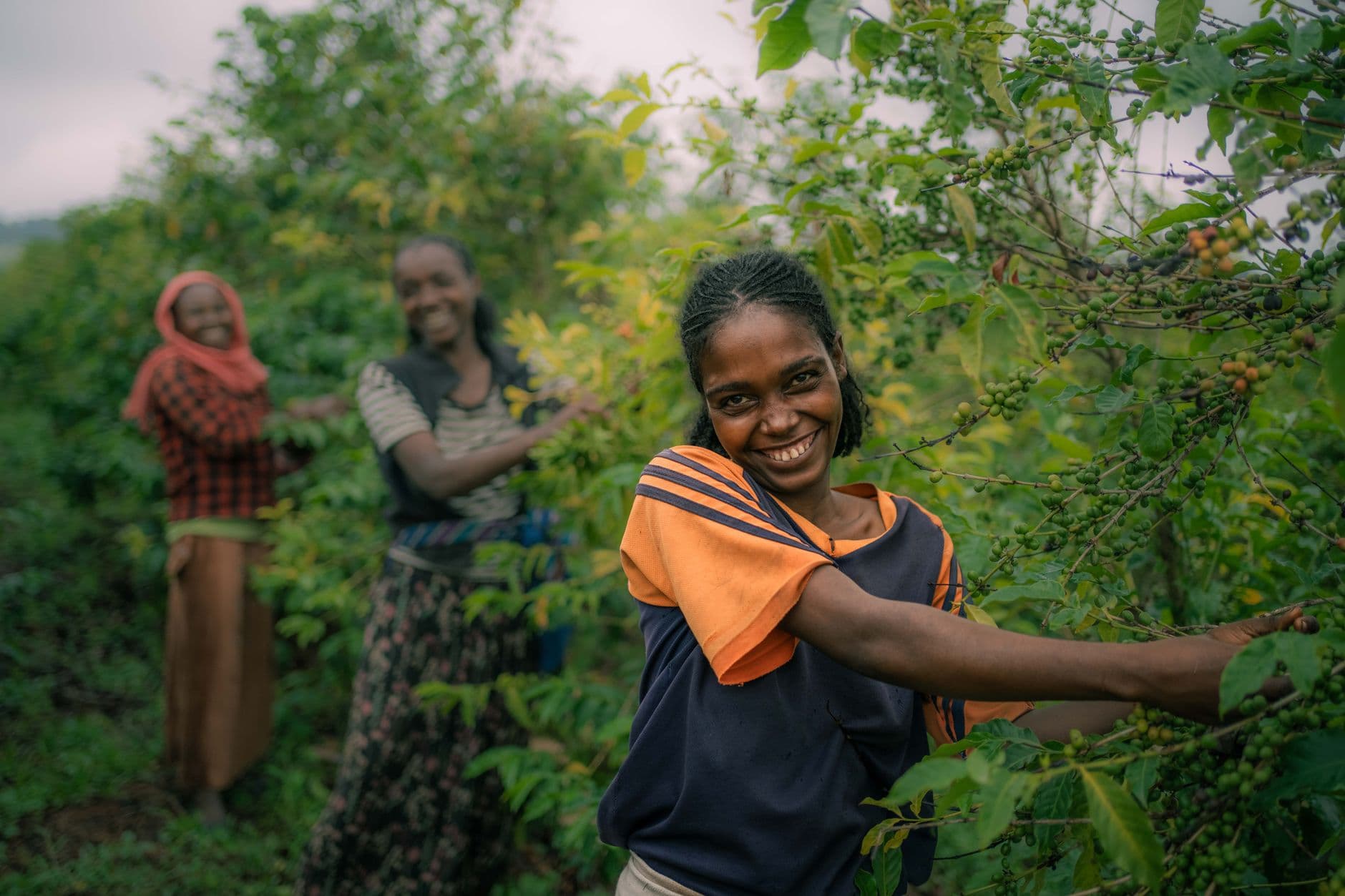
Candora Trading structures Brazilian green coffee supply around what growing businesses actually need: a pilot-friendly entry point, transparent pricing against the ICE benchmark, and full documentation on every lot. We work with vetted exporters across Minas Gerais, Cerrado, São Paulo, and Espírito Santo, so buyers can access the right regional profile — soft-cup Arabica for filter and specialty programmes, or Conilon for espresso blends — without managing multiple origin relationships directly.
FAQ
Frequently asked questions
Pilot orders start from a single pallet — roughly 300–600kg or 5–10 x 60kg bags — enough to test a lot before committing to larger volume. Standard programmes scale to part-container and full 20ft/40ft FCL shipments.
Yes. Candora Trading provides pre-shipment cupping samples for every lot so buyers can verify quality before confirming a pilot or full order.
Pricing is quoted against the ICE Arabica ("C") futures benchmark plus a differential based on region, screen size, and cup classification, giving buyers a transparent reference for every quote.
Arabica (from Minas Gerais, São Paulo, Bahia) is milder and lower-acid, used in filter, specialty, and blend programmes. Conilon (Robusta, mainly from Espírito Santo) is bolder and higher in caffeine, used in espresso blends and instant coffee manufacturing.
Yes. Certified lots are available from both categories given the scale of certified farming in Brazil. Specify your certification requirement when requesting a quote and we'll source against it.
Ocean freight from the Port of Santos runs approximately 3–5 weeks to Europe, 3–4 weeks to the US East Coast, and 4–6 weeks to Asia-Pacific. Pilot pallet orders typically ship within 2–3 weeks of confirmation.
Yes. Because Brazil is a high-liquidity, high-volume origin, we structure repeat programmes designed to hold a consistent screen size and cup profile across shipments, which is essential for private label and blend consistency.
Ready to get started?
Contact our team to discuss volumes, pricing, and supply structures for your market.
Related
Explore more
Coffee
Colombia Coffee Wholesale: A Buyer's Guide to Sourcing Washed Arabica
Coffee
Ethiopia Coffee Wholesale: Sourcing Heirloom Arabica for Specialty and Blend Programmes
Coffee
Vietnam Coffee Wholesale: The Buyer's Guide to Sourcing Robusta
Coffee
Coffee Wholesale: Green Coffee Sourcing by Origin
Coffee
Become a Coffee Supplier: Sell Green Coffee Beans to Candora Trading
Confectionery
Become a Supplier Partner: Expand Your Global Reach with Candora Trading