Ethiopia Coffee Wholesale: Sourcing Heirloom Arabica for Specialty and Blend Programmes
Ethiopia is the birthplace of Arabica coffee and home to the greatest genetic diversity of coffee plants on the planet. For roasters and specialty importers, Ethiopian coffee wholesale means access to the most distinctive flavour profiles in the trade — floral, jasmine, bergamot and stone-fruit notes from washed lots, and intensely fruited, wine-like natural-processed lots — grown almost entirely by smallholders on small forest and garden plots rather than large estates. Candora Trading sources Ethiopian green coffee from vetted exporters covering Yirgacheffe, Sidamo, Guji, and Limu, with programmes structured from pallet-level pilot orders through to full container shipments via the Port of Djibouti.
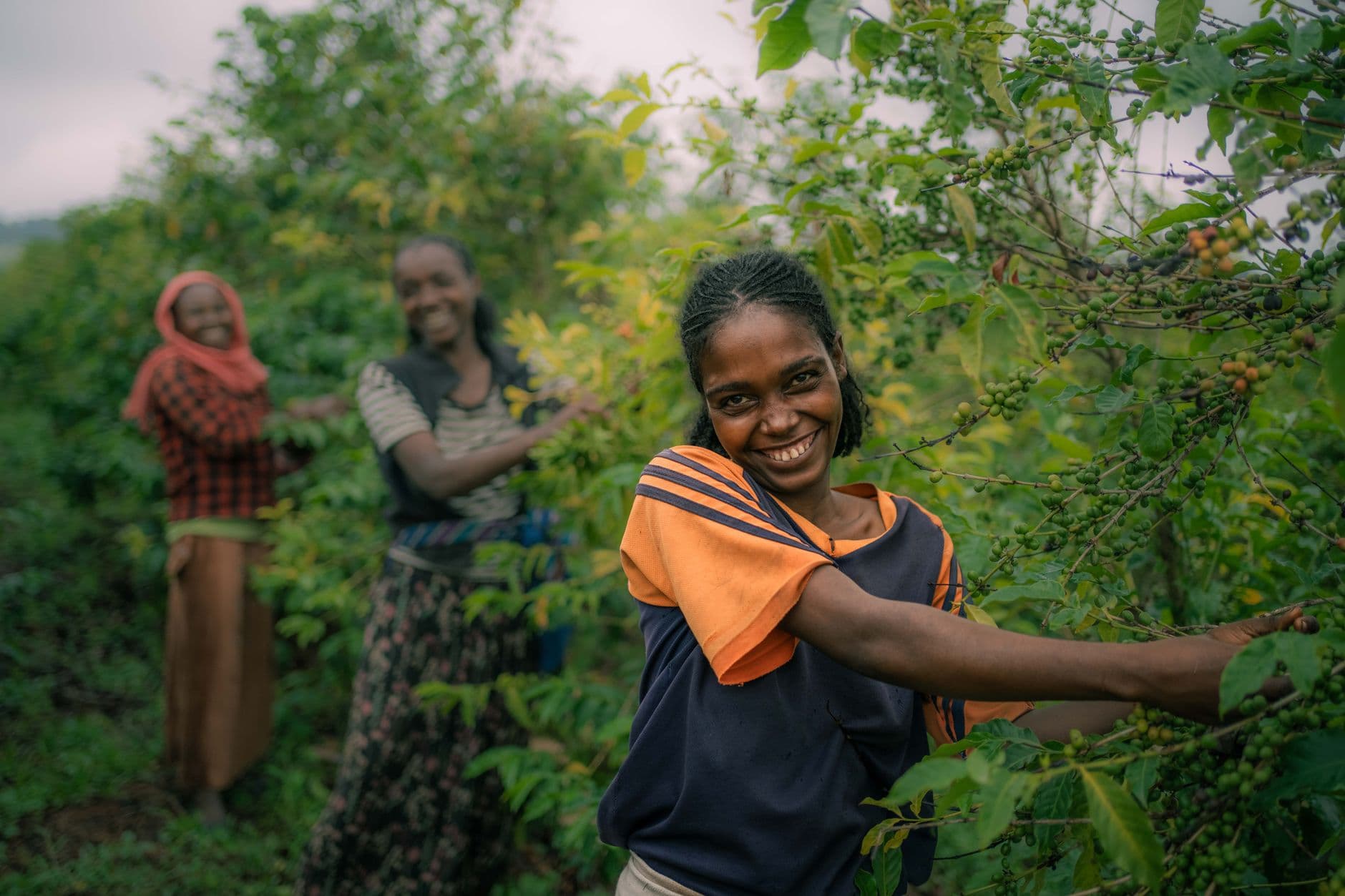
Ethiopia Coffee: Origin Profile
Ethiopian coffee is grown from thousands of indigenous heirloom varieties rather than the handful of cultivars used elsewhere, which is part of why Ethiopian lots show more flavour variance than any other origin. Yirgacheffe and Guji, in the south, are known for washed lots with intense floral and citrus character — jasmine, lemon, bergamot. Sidamo produces both washed and natural lots with a slightly heavier body and berry-forward profile. Harrar, in the east, is almost exclusively natural (dry) processed, delivering the wild, blueberry-and-wine character the region is famous for. Limu and Djimmah round out the commercial-volume regions with more balanced, medium-bodied cups suited to blending. Nearly all production comes from smallholders farming under a kilometre of land each, aggregated through cooperative washing stations before export.
Ethiopia Coffee Wholesale Market
Ethiopia exports roughly 4–5 million 60kg bags annually and is Africa's largest coffee producer and exporter. Historically, most Ethiopian coffee was traded exclusively through the Ethiopia Commodity Exchange (ECX), which pooled coffee by region and grade but limited traceability to individual farms or washing stations. Reforms over the past decade have opened a direct-export pathway alongside the ECX system, allowing exporters to sell traceable, single-washing-station lots directly to international buyers — which is now the standard route for specialty and named-origin wholesale programmes.
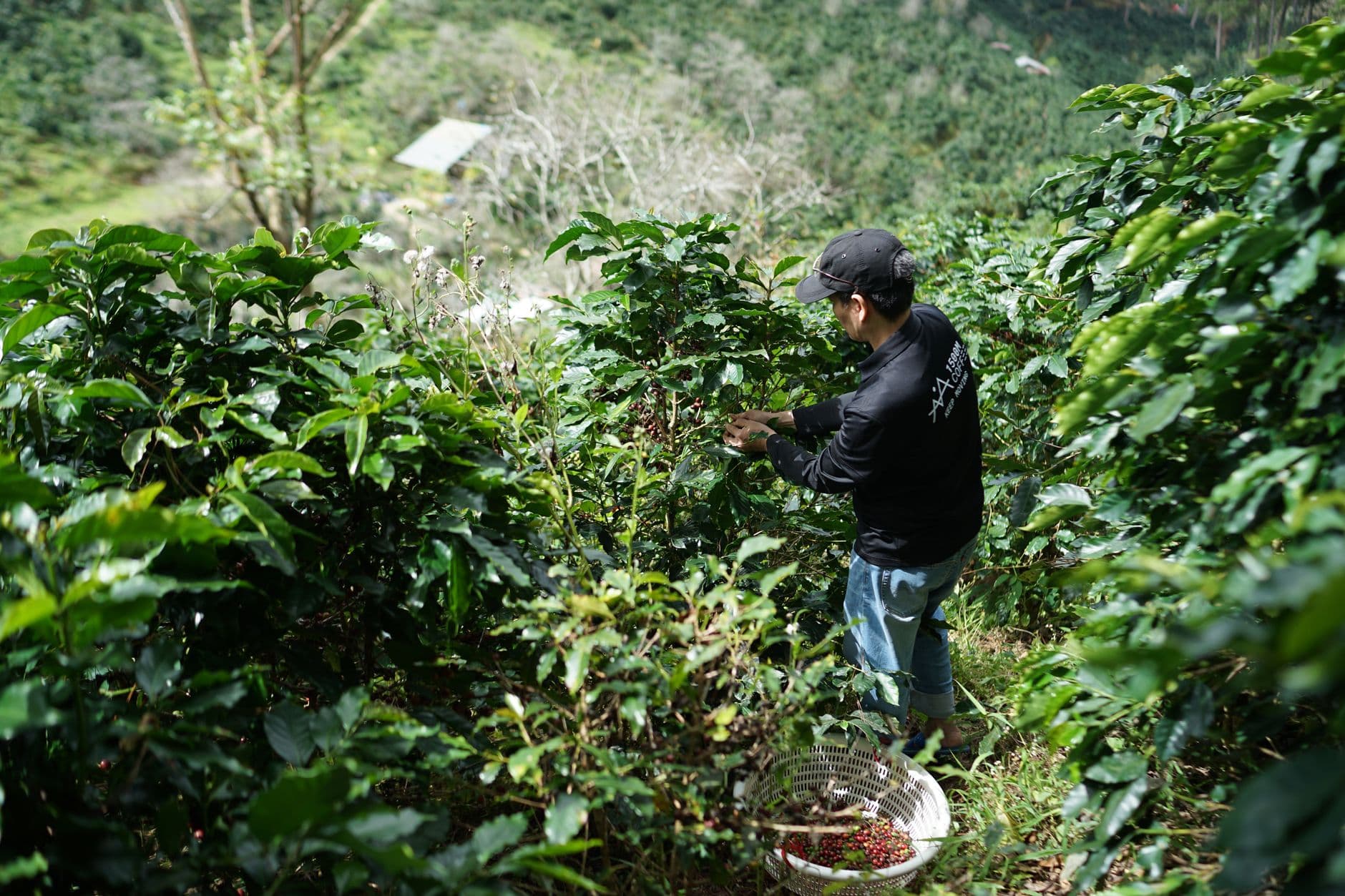
Grading & Quality Standards for Ethiopian Coffee
Ethiopian coffee is graded 1 through 5 based on defect count and cup quality, with Grade 1 and Grade 2 representing specialty-quality lots (fewer than 10 full defect equivalents per 300g sample) and Grades 3–5 used for commercial and industrial blends. Both washed ("wet-processed") and natural ("dry-processed" or "sun-dried") lots are graded on this same scale, but buyers should specify processing method as well as grade — washed and natural lots from the same region can differ enormously in cup character even at the same grade level. Candora Trading sources against buyer-specified grade, processing method, and named region or washing station.
Sourcing Ethiopian Coffee Wholesale: Your Options
Buyers can source through the ECX auction system (limited traceability, but consistent commercial-grade volume), directly from exporters working with specific cooperative washing stations (the standard route for specialty, single-origin lots with a named story), or through a trading partner who manages exporter vetting and lot selection. Because Ethiopian smallholder production is fragmented across tens of thousands of small farms, working with an established exporter or trading partner who already has washing-station relationships is the practical route for most wholesale buyers — building direct farm relationships from scratch in Ethiopia takes years.
MOQ, Order Sizes and Pricing
Pilot orders for Ethiopian coffee start from a single pallet (roughly 300–600kg, or 5–10 x 60kg bags), which suits specialty roasters wanting to test a specific washing-station lot before committing further. Standard programmes scale through part-container and full 20ft/40ft FCL shipments. Because of the flavour variance between washing stations, pricing varies more by lot than in more homogenous origins — Grade 1 washed Yirgacheffe commands a significant premium over commercial Grade 4/5 Limu, and buyers should expect to sample multiple lots before settling on a supply programme.
Have questions before you keep reading?
Get pricing, MOQs and lead times for your market.
Lead Times, Logistics and Shipping from Ethiopia
Ethiopia is landlocked, so all coffee exports move by truck to the Port of Djibouti before ocean freight. This adds 1–2 weeks to the export process compared to origins with direct port access, but Djibouti has efficient container throughput and regular sailings. Ocean freight transit from Djibouti runs approximately 3–4 weeks to Europe, 4–5 weeks to the US East Coast, and 2–3 weeks to Asia-Pacific (via the Red Sea/Suez route or direct Indian Ocean routing). From order confirmation, pilot orders typically ship within 3–4 weeks given the inland transport step; full container programmes run 6–9 weeks.
Certifications and Documentation to Verify
Standard documentation includes the ECX or direct-export certificate, Certificate of Origin, phytosanitary certificate, and a cupping report specific to the lot and washing station. Organic certification is common in Ethiopia given the low-input smallholder farming model — much production is organic "by default" even without formal certification, so buyers targeting certified-organic retail should confirm formal certification status rather than assuming it. Fairtrade and Rainforest Alliance certified lots are also available through specific cooperative unions. Candora Trading verifies certification status and washing-station traceability documentation on every lot supplied.
Harvest Calendar and Availability
Ethiopia's main harvest runs October through December (peaking November–December in most regions), with fresh crop typically reaching export condition from January onward. A smaller secondary harvest occurs in some regions between April and June. Given the smallholder harvest model, washing stations process cherry over an extended window rather than all at once, so specific lot availability from named stations should be confirmed directly ahead of ordering — Candora Trading tracks washing-station availability through the season and can advise on timing for specific origins.
Why Work With Candora Trading for Ethiopian Coffee
Ethiopia rewards buyers who can navigate its fragmented, washing-station-based supply chain — and penalises buyers who can't. Candora Trading works with established Ethiopian exporters holding direct relationships to named washing stations across Yirgacheffe, Sidamo, and Guji, giving buyers access to traceable, graded lots with cupping documentation, without needing to build in-country relationships from scratch.
FAQ
Frequently asked questions
Pilot orders start from a single pallet — roughly 300–600kg or 5–10 x 60kg bags — which is well suited to testing a specific washing-station lot. Standard programmes scale to part-container and full 20ft/40ft FCL shipments.
Washed lots (common in Yirgacheffe and Guji) are cleaner in the cup with pronounced floral and citrus notes. Natural (dry-processed) lots, common in Harrar and parts of Sidamo, are fruitier and wine-like with heavier body. Both can be sourced at the same grade level.
Yes, for direct-export lots. Candora Trading sources named washing-station lots with documented traceability, distinct from generic ECX-pooled commercial-grade coffee.
Because Ethiopia is landlocked, coffee moves by truck to the Port of Djibouti before ocean freight, adding 1–2 weeks versus coastal origins. Total transit runs approximately 3–4 weeks to Europe and 4–5 weeks to the US East Coast from Djibouti.
Much Ethiopian smallholder coffee is grown without synthetic inputs by default, but formal organic certification is separate and should be confirmed per lot if required for retail labelling. We verify certification status before quoting.
Yes. Given the flavour variance between washing stations, we recommend sampling 2–3 lots from your target region before committing to a pilot order, and we supply cupping samples accordingly.
Main crop is harvested October–December and reaches export condition from January. A smaller secondary harvest in some regions runs April–June. We track washing-station availability through the season.
Ready to get started?
Contact our team to discuss volumes, pricing, and supply structures for your market.
Related
Explore more
Coffee
Kenya Coffee Wholesale: Sourcing AA-Grade Washed Arabica
Coffee
Rwanda Coffee Wholesale: Sourcing Washed Bourbon From the Land of a Thousand Hills
Coffee
Uganda Coffee Wholesale: Sourcing Africa's Largest Robusta Origin
Coffee
Coffee Wholesale: Green Coffee Sourcing by Origin
Coffee
Become a Coffee Supplier: Sell Green Coffee Beans to Candora Trading

Confectionery
Become a Supplier Partner: Expand Your Global Reach with Candora Trading