Kenya Coffee Wholesale: Sourcing AA-Grade Washed Arabica
Kenya produces some of the most sought-after specialty Arabica in the world — bright, complex, blackcurrant-and-tomato-toned cups grown by smallholder farmers around dedicated "factory" wet mills at high altitude. For roasters building a premium single-origin or top-tier blend component programme, Kenyan coffee wholesale is a benchmark origin, though it requires understanding a grading and auction system that works differently from most other producing countries. Candora Trading sources Kenyan green coffee from vetted exporters covering Nyeri, Kirinyaga, Murang'a, and Embu, with programmes structured from pallet-level pilot orders through to full container shipments out of Mombasa.
Kenya Coffee: Origin Profile
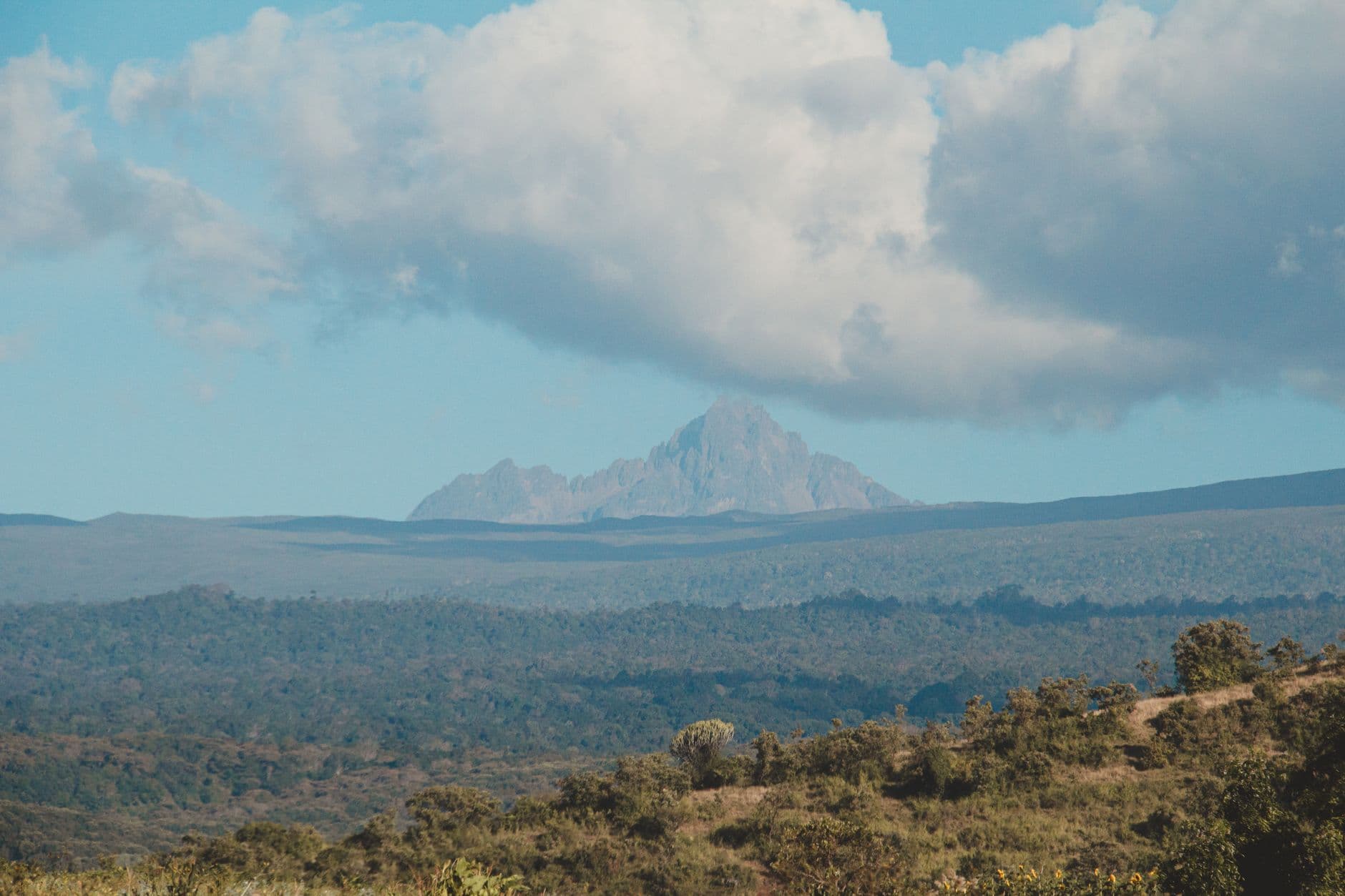
Kenyan coffee is grown almost entirely on the slopes of Mount Kenya and the Aberdare Range, at altitudes of 1,400–2,100m — among the highest average growing elevations of any major origin. The classic Kenyan cup profile is intensely bright with high acidity, full body, and distinctive fruit-forward notes often described as blackcurrant, tomato, or wine-like — a profile driven by the SL28 and SL34 varieties bred specifically for Kenyan conditions, combined with the country's double-fermentation washed processing method. Nyeri and Kirinyaga are the most internationally recognised producing counties; Murang'a, Embu, and Kiambu add further volume with broadly similar quality standards.
Kenya Coffee Wholesale Market
Kenya exports approximately 700,000–800,000 60kg bags annually — modest in global volume terms but disproportionately influential in the specialty coffee market given its consistent quality reputation. Historically, the majority of Kenyan coffee moved through the Nairobi Coffee Exchange weekly auction system, where lots are cupped, graded, and sold to the highest bidder — a genuinely price-transparent mechanism unlike most other origins. A direct-sale pathway alongside the auction has grown in recent years, allowing exporters to sell specific lots directly to international buyers outside the auction process.
Grading & Quality Standards for Kenyan Coffee
Kenya uses a distinctive size-based grading system: AA (the largest screen size, 17-18, and the grade most associated with Kenyan coffee internationally), AB (a blend of screen 15-16, still high quality and often excellent value relative to AA), PB (Peaberry — a naturally occurring single round bean rather than the usual flat-sided pair, prized for concentrated flavour), and C grade and below for smaller, lower-value beans. Importantly, grade size does not always correlate directly with cup score — some AB lots cup as well as or better than AA lots from the same washing station — so Candora Trading provides cupping data alongside grade classification rather than relying on size grade alone.
Sourcing Kenyan Coffee Wholesale: Your Options
Buyers can source through the Nairobi Coffee Exchange auction (requiring a licensed buying agent and familiarity with the weekly auction cycle), through direct-sale arrangements with specific cooperative "factories" (wet mills) or estates, or through a trading partner managing this process on the buyer's behalf. The auction system in particular is not straightforward for buyers unfamiliar with Kenyan trade structure — Candora Trading manages sourcing through vetted exporters with established factory and estate relationships, delivering graded, cupped lots without requiring buyers to navigate the auction system directly.
MOQ, Order Sizes and Pricing
Pilot orders for Kenyan coffee start from a single pallet (roughly 300–600kg, or 5–10 x 60kg bags), suited to specialty roasters testing a specific factory lot. Standard programmes scale through part-container and full 20ft/40ft FCL shipments. Kenyan coffee commands one of the highest premiums over the ICE Arabica benchmark of any origin given its specialty reputation and auction-driven price discovery — AA lots from top-performing factories in Nyeri and Kirinyaga can command significant premiums during peak auction weeks, and buyers should expect Kenyan sourcing to be priced at a meaningful step up from commercial-grade washed Arabica origins.
Have questions before you keep reading?
Get pricing, MOQs and lead times for your market.
Lead Times, Logistics and Shipping from Kenya
Kenyan coffee exports through the Port of Mombasa, East Africa's largest container port. Ocean freight transit runs approximately 3–4 weeks to Europe, 4–5 weeks to the US East Coast, and 2–3 weeks to South and Southeast Asia. From order confirmation, pilot orders typically ship within 3–4 weeks (auction-sourced lots require confirmation of the weekly auction cycle before shipment logistics begin); full container programmes run 5–8 weeks.
Certifications and Documentation to Verify
Standard documentation includes Coffee Directorate export certification, Certificate of Origin, phytosanitary certificate, and a cupping report with grade and factory/estate identification. Rainforest Alliance and Fairtrade certified lots are available from specific certified cooperative factories, though certification penetration is lower in Kenya than in origins like Peru given the auction-centric trade structure. Candora Trading verifies certification status and factory-level traceability for every lot, which is a key part of the value in premium Kenyan sourcing.
Harvest Calendar and Availability
Kenya has a main harvest from October to December and a smaller secondary "fly crop" harvest from June to August, giving two windows of fresh crop availability per year. The main crop generally produces the higher volumes and is what most international buyers associate with peak-season Kenyan availability, while the fly crop offers a smaller but still commercially relevant secondary supply window.
Why Work With Candora Trading for Kenyan Coffee
Kenya's auction-based trade structure is one of the more complex systems in the coffee trade to navigate directly. Candora Trading manages sourcing through vetted exporters with established relationships to specific factories in Nyeri, Kirinyaga, and Murang'a, delivering graded, cupped, and documented lots — with pilot-pallet entry points for specialty roasters and full container capacity for established premium programmes.
FAQ
Frequently asked questions
AA refers to the largest screen size (17-18), Kenya's most internationally recognised grade. It doesn't automatically mean the best cup score, though — AB (screen 15-16) lots often cup comparably and can offer stronger value. We provide cupping data alongside grade classification.
Pilot orders start from a single pallet — roughly 300–600kg or 5–10 x 60kg bags. Given Kenya's premium pricing, this pallet-level entry point is especially useful for testing before committing to larger volume.
Kenya's high-altitude growing conditions, SL28/SL34 varieties, double-fermentation washed processing, and auction-based price discovery combine to produce some of the most sought-after specialty Arabica in the trade, commanding a significant premium over the ICE benchmark.
A naturally occurring single round bean (rather than the usual flat-sided pair) that develops in a small percentage of coffee cherries. Kenyan Peaberry (PB grade) is prized for its concentrated flavour and is sold as a distinct grade.
Ocean freight runs approximately 3–4 weeks to Europe, 4–5 weeks to the US East Coast, and 2–3 weeks to South/Southeast Asia from Mombasa.
No. Candora Trading sources through vetted exporters with established factory relationships, so you get graded, cupped lots without needing to navigate the weekly auction system or hold a licensed buying agent relationship yourself.
Main crop runs October–December; a smaller secondary "fly crop" runs June–August, giving two annual windows of fresh crop availability.
Ready to get started?
Contact our team to discuss volumes, pricing, and supply structures for your market.
Related
Explore more
Coffee
Ethiopia Coffee Wholesale: Sourcing Heirloom Arabica for Specialty and Blend Programmes
Coffee
Rwanda Coffee Wholesale: Sourcing Washed Bourbon From the Land of a Thousand Hills
Coffee
Uganda Coffee Wholesale: Sourcing Africa's Largest Robusta Origin
Coffee
Coffee Wholesale: Green Coffee Sourcing by Origin
Coffee
Become a Coffee Supplier: Sell Green Coffee Beans to Candora Trading
Confectionery
Become a Supplier Partner: Expand Your Global Reach with Candora Trading