Private Label Candy: How Retailers Build Higher-Margin Confectionery Ranges
Private label candy is one of the highest-impact margin levers available to retail category managers. While branded confectionery competes on shelf with fixed margins and limited differentiation, own-brand jelly, sour, gummy, and pick & mix formats allow retailers to build exclusive products, control pricing, and capture significantly higher gross margins — consistently 30 to 40 percent above branded equivalents. This guide covers how private label candy programmes work, which formats perform best, and what buyers need to consider when structuring a programme.
 By Rikard Kunsinsh, Candora TradingPublished March 30, 2026Updated July 25, 2026
What Is Private Label Candy?
Private label candy — also called private label confectionery, or private label sweets in UK English — refers to jelly, sour, gummy and pick & mix product manufactured to a retailer's or distributor's own specification, packaged under their own brand or store label. The product itself — the formats, flavours, and quality — is the same as or equivalent to branded equivalents, but the commercial structure is fundamentally different. Rather than paying a brand premium to a manufacturer, the retailer owns the product. They set the price, control the margin, and build equity in their own label rather than someone else's.
Why the Margin Case Is Compelling
In confectionery, private label unit margins consistently outperform branded product. Industry data puts private label confectionery margins at 30–40% above branded equivalents at retail. For a category manager running a jelly and sour fixture, shifting even a portion of the range to private label can have a meaningful impact on category profitability. The global private label confectionery market was valued at $15.2 billion in 2023 and is growing at 6.8% CAGR through 2030. Unit sales of private label candy grew 7.2% year-on-year in 2024. Retailers who move early in building their own confectionery label are positioning themselves ahead of a structural market shift.
What Private Label Candy Looks Like in Practice
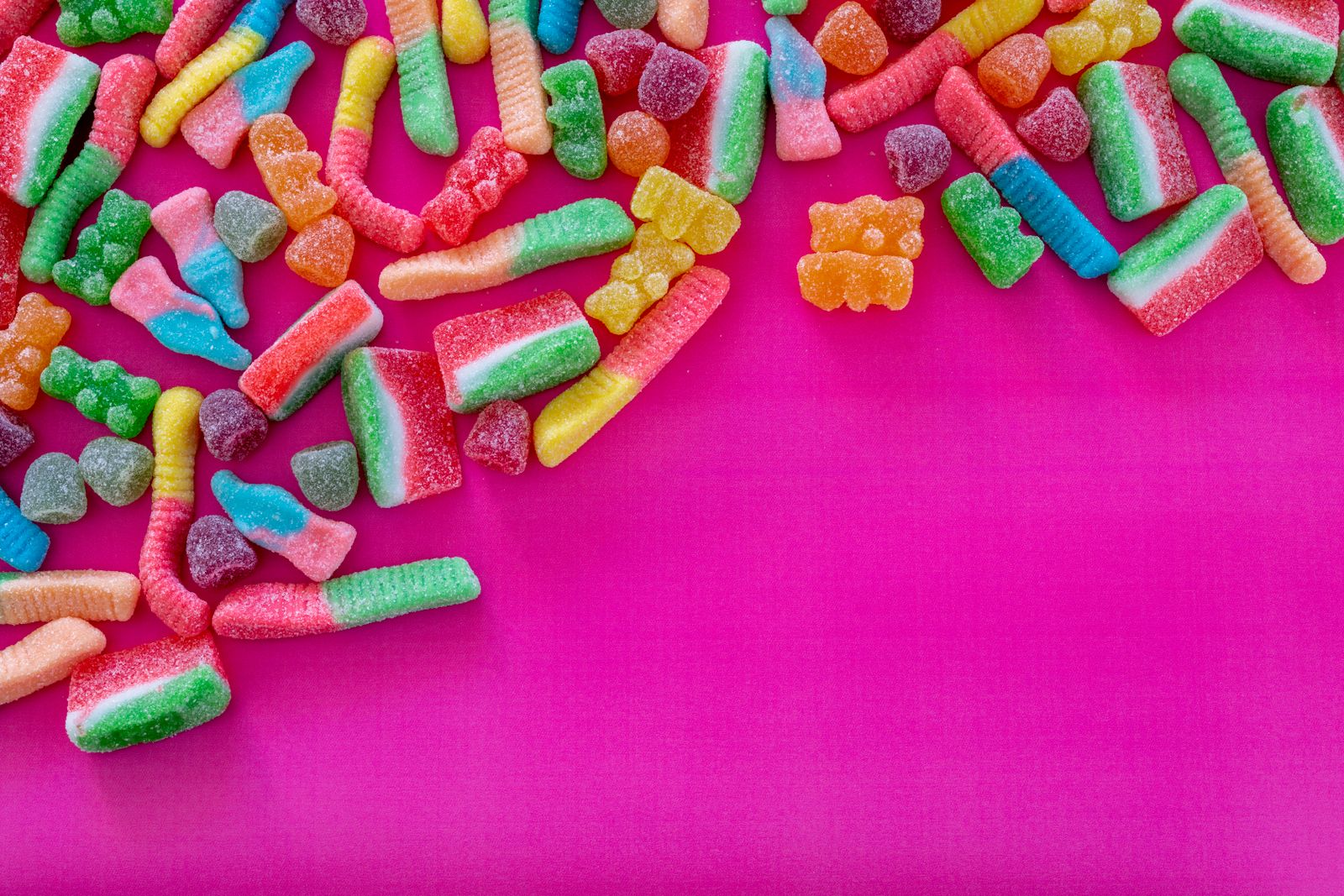
A private label programme typically begins with format selection — the most popular formats include sour belts, jelly bears, sour worms, foam shapes, and mixed assortments. Packaging can include stand-up pouches, flat bags, flow packs, pick & mix bulk bins, or display boxes carrying the retailer's own branding. At Candora Trading, our private label programmes are designed for buyers with sufficient annual volume to justify custom production runs — we work with buyers purchasing 15 tonnes or more annually, structuring programmes around container shipments.
Which Retail Formats Benefit Most
Grocery chains with established own-label ranges are natural candidates — the category sits well alongside other impulse own-label products and delivers strong margin contribution relative to shelf space. In convenience formats, impulse confectionery is a high-frequency, high-margin category where private label sour and jelly formats placed at till points consistently outperform branded alternatives. Discount retailers have built significant private label confectionery programmes where Swedish formats deliver an appealing product at a price point branded candy cannot match. An often-overlooked channel is hospitality — hotels sourcing private label confectionery for minibar programmes, welcome packs, and guest gifting benefit from both the margin advantage and brand exclusivity.
How to Start a Private Label Programme
The process with Candora Trading is straightforward: share your volume requirements and target markets, review our format catalogue and select relevant SKUs, agree on packaging specification and branding requirements, receive pre-production samples for approval, then confirm production run and shipping schedule. We handle the factory relationship, quality control, and logistics. You receive finished, branded product ready for your distribution network.
Have questions before you keep reading?
Get pricing, MOQs and lead times for your market.
Pricing, MOQ and Container Programmes
Pricing at Candora Trading is designed to ensure our retail partners can achieve a competitive edge while maintaining high margins. Our private-label candy offerings start from container programmes with pilot programs initiated from palletised quantities, allowing for flexible scaling as your business grows. For standard wholesale orders, we utilize 20ft and 40ft FCL containers, providing efficient logistics that reduce shipping costs. Minimum order quantities (MOQs) are tailored to meet the diverse needs of our clients, from small-scale pilots to larger bulk orders. Our commitment to working directly with European candy manufacturers ensures that you benefit from reduced overhead costs, which we can pass on to you as part of our value proposition. With lead times of 4-8 weeks from order confirmation, you can plan your inventory and marketing strategies effectively, ensuring timely product availability without compromising quality or freshness.
Lead Times, Logistics and Shipping
Lead times for private-label candy with Candora Trading are typically between four to eight weeks from order confirmation, ensuring that retailers can plan their inventory and marketing strategies effectively. Our direct relationship with European factories means there is minimal delay due to middlemen, allowing us to maintain a swift turnaround while still offering high-quality products. Shipping logistics are streamlined for efficiency, with container programs starting from palletised quantities, making it easier for retail buyers to scale orders according to their needs. For standard programs, we utilize 20-foot or 40-foot FCL containers, which provide retailers the flexibility to manage inventory flow and reduce transportation costs through consolidated shipments.
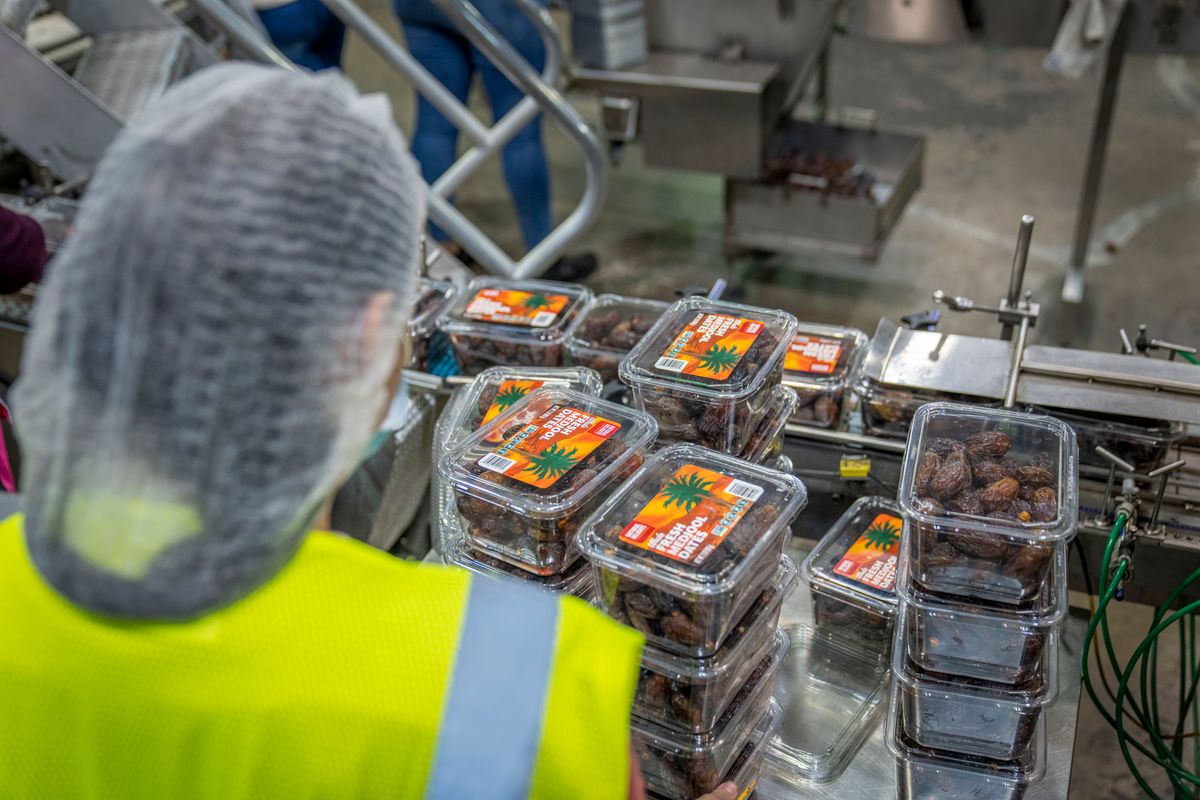
Private Label Candy: From Brief to Shelf
Private label candy offers retailers a unique opportunity to enhance their product lines with tailored offerings that meet specific customer needs and preferences. The journey from concept to shelf is streamlined by Candora Trading's direct collaboration with European factories, ensuring that the process is both efficient and cost-effective. Our team works closely with retail buyers and category managers to gather detailed briefs, understand market trends, and define product specifications that align perfectly with their vision. This partnership ensures a swift development timeline, with lead times ranging from 4-8 weeks once the order confirmation is made. By leveraging our expertise in sourcing high-quality ingredients and innovative packaging solutions, we facilitate the transition of your private label candy concepts into reality, ready for retail display.
FAQ
Frequently asked questions
MOQs vary by product and packaging format. Pilot runs can start from as low as 500-1000 units for initial market testing. Standard production runs are typically built around pallet or container quantities for optimal unit economics.
From initial briefing to first delivery, typical timelines are 8-14 weeks. This includes product selection, packaging design, sample approval, production, and shipping. Rush programs are possible for simpler formats.
Yes. Several of our factory partners hold Halal certification, and we offer a growing range of vegan-friendly formulations using plant-based gelling agents. Specific certifications and product options are available on request.
Ready to get started?
Contact our team to discuss volumes, pricing, and supply structures for your market.
Related
Explore more
Private Label
White Label Candy Manufacturing
Confectionery
Confectionery Private Label: The Complete Guide for Retail Buyers
Sour Candy
Sour Candy Wholesale: Why It Is the Fastest-Growing Impulse Category
Jelly Candy
Gummy Candy Wholesale
Private Label
How to Start a Private Label Candy Brand: The Complete 8-Step Startup Guide
Private Label
Private Label Candy Manufacturer: Sourcing European OEM Candy