Complete pick & mix guide
How pick & mix wholesale works: cost per kilo, SKUs and containers
Pick & mix is bought by the kilo in bulk and sold loose or portioned in your own store. The decision that shapes everything is how many different products you want: a narrow range from Turkey is cheap per kilo, a wide Swedish mix is far more expensive. This guide compares the two side by side with a worked container calculation and a planner you can use for your own range.
 By Rikard Kunsinsh, Candora TradingPublished October 12, 2026
€2.49/kg
Turkish bulk (example)
€7.99/kg
Swedish flex mix (example)
6–10 vs 40
SKUs per container
4–6 vs 1–3 wks
lead time, plus freight
What pick & mix wholesale is
Wholesale pick & mix means buying candy in bulk, here in 1kg format, and selling it by weight or in portioned bags from bins, dispensers or a candy wall. You are not buying finished retail packs, so the margin comes from buying by the kilo and selling by the 100g.
A container carries a number of SKUs: individual products such as a flavour, a shape or a coating. The more SKUs, the more variety your customers see, but the container is split into smaller amounts of each. That split is what drives the price difference between the two models below.

Turkish bulk vs Swedish flex mix
There are two ways to fill a 40ft container, and the difference is price per kilo against flexibility. These are example figures from one quotation structure.
| Turkish bulk | Swedish flex mix | |
|---|---|---|
| Price per kg (example) | €2.49 | €7.99 |
| Price per 100g | €0.249 | €0.799 |
| Format | 1kg bulk bags | 1kg bulk bags on mixed pallets |
| SKUs per container | 6–10 | Up to 40 |
| Minimum order | 1 × 40ft container | 1 × 40ft container |
| Lead time (before freight) | 4–6 weeks | 1–3 weeks |
| Freight | Added per container | Added per container |
| Duty and VAT | Country-based, paid by the buyer | Country-based, paid by the buyer |
| Container value (at 20 t) | €49,800 | €159,800 |
| Kilos per SKU (at 20 t) | 2,000–3,333 kg | 500 kg at 40 SKUs |
| Best for | Core sellers you move in volume | Variety, a wide wall, specialty flavours |
| Trade-off | Narrow range | 3.2× the price per kg |
Illustrative. Ex VAT, freight and duty. Container weight assumed at about 20,000 kg net; confirm in your quotation.
Turkish bulk: the low-cost core
About €2.49 per kg in 1kg bulk bags, with 6–10 SKUs per 40ft container. Because the container holds few products, each SKU gets a large share, which is what keeps the price low. It suits the products you know will sell in volume.
Swedish flex mix: variety at a price
About €7.99 per kg, in a 40ft container that can be mixed with up to 40 SKUs. It is the right choice when range is the point: a wide wall, specialty flavours and constant newness. It is the more expensive alternative, and it is meant to be.

The core trade-off: cheap means narrow
You cannot have the lowest price per kilo and a very wide range in the same container. Below, the same 20,000 kg container is split across more and more SKUs, so each product shrinks.
Price per kg
The flex route costs 3.2× per kilo in this example.
Kilos of each SKU per container
At 6 SKUs each gets about 3,333 kg; at 40 SKUs about 500 kg.
Lead time before freight
Sea or road freight is added on top and depends on the destination.
Reading the trade-off
- Few SKUs, long runs: low price per kilo, but a narrow wall that looks the same every week.
- Many SKUs, short runs: a wide range and constant variety, at a much higher price per kilo.
- Time matters too: Turkish bulk takes about 4–6 weeks before freight, flex mix about 1–3. Slower is cheaper; faster is more flexible.
- A hybrid puts the SKUs you sell most on the cheap route and pays the flex premium only on the range that creates interest.
Plan your own pick & mix range
Combine Turkish and flex containers, choose how many SKUs go in each and see price per kilo, kilos per SKU and margin. The planner uses the example prices from this guide, so treat the result as an estimate.
Interactive container planner
Combine Turkish bulk and Swedish flex-mix containers and see price per kg, kilos per SKU and margin. Uses the example prices in this guide: real prices vary with product, volume and market.
Choose a strategy
The trade-off is simple: Turkish bulk is about €2.49/kg but only 6–10 SKUs per container, while Swedish flex mix is about €7.99/kg and takes up to 40 SKUs.
Cost walk-through
ExampleWorked example: three ways to buy four containers
| 1 Turkish container | 1 flex container | Hybrid: 3 + 1 | |
|---|---|---|---|
| Containers | 1 | 1 | 4 |
| Kilos | 20,000 | 20,000 | 80,000 |
| SKUs | 6–10 | up to 40 | 6–10 core + up to 40 flex |
| Price per kg | €2.49 | €7.99 | €3.87 blended |
| Goods value | €49,800 | €159,800 | €309,200 |
| Four flex containers instead | €639,200 (+€330,000) | ||
| Freight | Added per container | ||
| Duty and VAT | Country-based, paid by the buyer (DDP possible in some cases) | ||
| Lead time | 4–6 wks | 1–3 wks | Turkish part 4–6 wks, flex part 1–3 wks |
What the numbers tell you
- One container of each costs €49,800 and €159,800: the flex container is worth 3.2× the Turkish one for the same weight.
- Buying 3 Turkish and 1 flex container brings the blended price to about €3.87 per kg, while the wall can still carry up to 40 specialty SKUs.
- Buying all four as flex would cost €330,000 more than the hybrid for the same total weight.
- Per 100g the example prices are €0.249 and €0.799, which is the figure to compare with your shelf price.
Illustrative. Prices vary by products, volume, market and supplier. Request a quotation for your own range.
Assortment
ExamplePlanning your range

How many SKUs do you need?
Start from the bins you have, not from the catalogue. A small wall of, say, 12 bins needs far fewer SKUs than a full wall of 40. Work backwards: bins × the share you want to keep fresh = SKUs. The planner above shows the kilos per SKU that follow.
Use two tiers
- Core tier: the 6–10 products you expect to move fastest. Buy these on the low-cost route, in large amounts.
- Variety tier: the specialty and rotating flavours that make the wall interesting. Buy these through flex mix in smaller amounts.
- Rotation: change the variety tier between orders, not the core, so regular customers always find their favourites.
Check the stock cover
Kilos per SKU divided by your weekly sales per SKU gives weeks of cover. If that is longer than the shelf life of the product, you are buying too much of it or splitting the container too thinly in the wrong places. The planner calculates this when you enter your own sales estimate and shelf life.
Store and compliance
ExampleStore setup and the rules to check
- Bins, scoops and scale: decide dispensers or open bins, scoop sizes and a certified scale for sale by weight.
- Hygiene: sneeze guards, scoop per bin and cleaning routines are required or expected in most markets.
- Allergen and ingredient information: in the EU, loose food still needs allergen information available to the customer. Put it on each bin or on a sign next to it.
- Packaging for take-away: bags, labels and price-per-weight stickers belong in your cost per kilo.
- Local rules: check labelling and food-safety rules in your market before the first container arrives.
More on the retail side: display setup and ROI, profitability calculator and how to start a pick & mix business.
Ordering rhythm
ExampleStock, shelf life and reordering
- Ask for best-before dates on every SKU when you request a quotation. They decide how long a container can last.
- First in, first out: rotate stock by date so older bags go to the bins first.
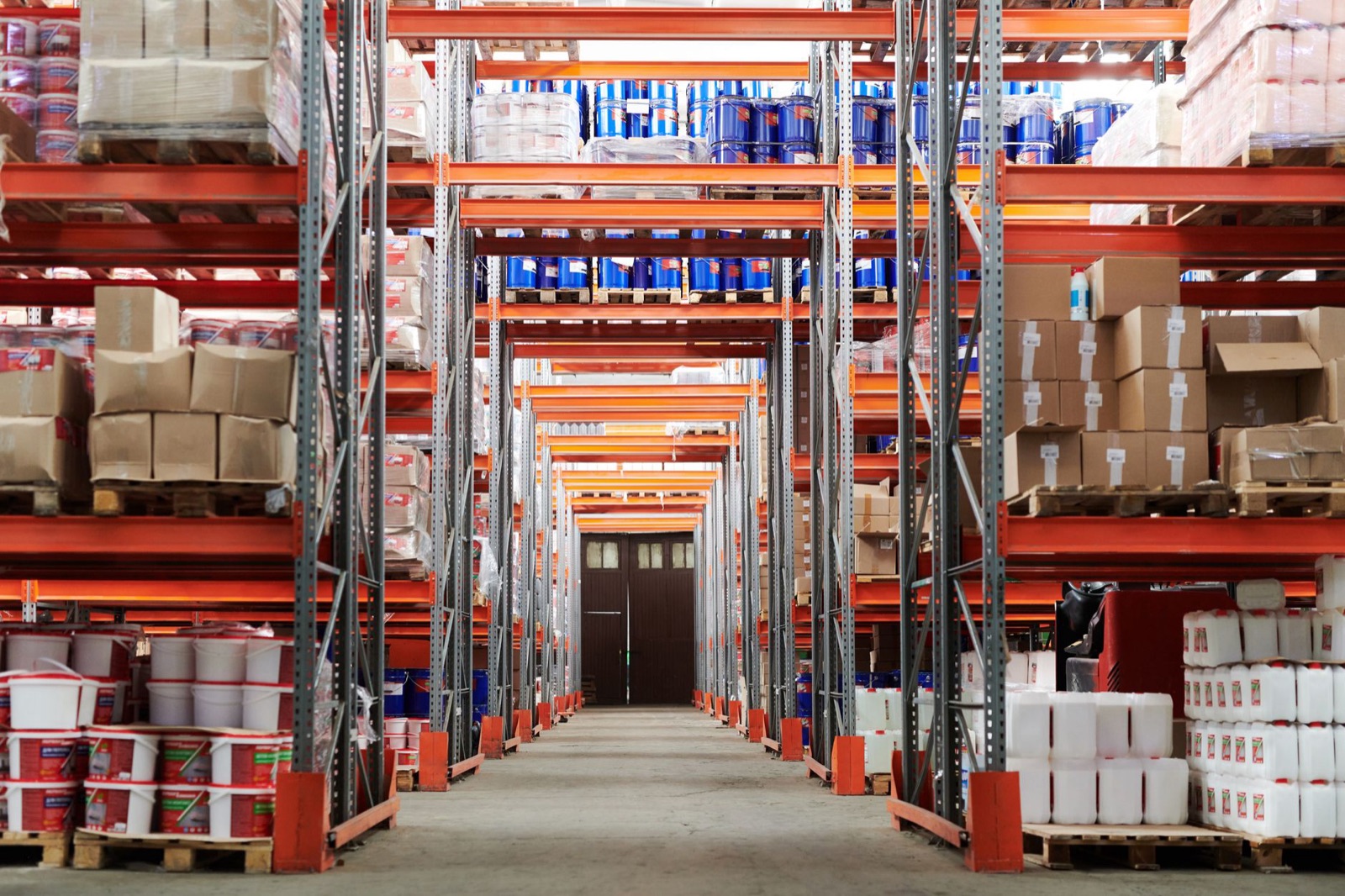
- Reorder early: count lead time plus freight. Turkish bulk takes 4–6 weeks and flex mix 1–3 weeks before freight, so reorder when remaining stock covers that whole period plus a safety margin.
- Use speed where it counts: flex mix arrives sooner, so it suits top-ups and new flavours, while Turkish core stock is planned further ahead.
- Duty and VAT: these depend on your country and are normally paid by you. Ask whether DDP is available for your destination if you prefer a delivered price.
- Adjust the mix: use sell-through by SKU to move volume between the core and variety tiers on the next container.
- Storage: cool, dry and away from strong smells. Plan pallet space before the container arrives.
What you need to have ready
- Range plan
- Number of SKUs, split between core and variety, and which products.
- Volume and cash
- At least one 40ft container per route. Know what you can sell before the best-before date.
- Price per 100g
- Your shelf price per 100g and the margin you need after freight, duty, packaging and waste.
- Storage
- Dry, cool pallet space for the whole container and a first-in-first-out routine.
- Store equipment
- Bins or dispensers, scoops, scale, bags and labels.
- Compliance
- Allergen and ingredient information at the bins, hygiene routines and local labelling rules.
- Freight and import
- Incoterms, forwarder, duty classification (HS code) and who clears customs. Duty and VAT are country-based and paid by you unless DDP is agreed.
- Timeline
- Turkish bulk 4–6 weeks and flex mix 1–3 weeks before freight. Plan reorders against the full chain.
Common mistakes
- Too many SKUs on the cheap route. Ten SKUs is the limit for the low-cost container. More splits it too thin, or means a different route.
- Buying variety on the premium route for everything. At €7.99 per kg, flex mix for your best sellers costs €5.50 more per kilo than it needs to.
- Ignoring shelf life. Forty SKUs in one container means small amounts of each, but a slow SKU can still outlast its best-before date.
- Comparing only price per kilo. Compare per 100g, after packaging, waste, freight and duty.
- Forgetting the loose-food rules. Allergen information at the bin is a legal requirement in many markets.
- Leaving duty and VAT out. They are country-based and normally paid by you, so include them in landed cost, or ask about DDP.
- Reordering too late. Add 4–6 weeks (Turkish) or 1–3 weeks (flex) plus freight to your reorder point.
- Leaving the margin until the end. Set the shelf price per 100g first, then check each SKU against it.
Frequently asked questions
In this example Turkish bulk pick & mix costs about €2.49 per kg and Swedish flex mix about €7.99 per kg, ex VAT, freight and duty. Prices vary with product, volume, market and supplier.
The flex-mix route lets you combine up to 40 SKUs in one 40ft container, and the product is a different quality and sourcing tier. In the example the gap is about €5.50 per kg, or 3.2×. You are paying for variety and flexibility as much as for the candy.
In the example, 6–10 SKUs on a Turkish bulk container, and up to 40 SKUs on a Swedish flex-mix container. The more SKUs you split a container into, the fewer kilos of each you receive.
One 40ft container in both models in this example. You can buy more than one, and combine a Turkish container with a flex container in the same programme.
Not in one container. A low price per kg depends on few SKUs and long runs. A common compromise is a hybrid: Turkish bulk for the fast core sellers and a smaller Swedish flex-mix order for variety.
It is the container weight divided by the number of SKUs. At about 20,000 kg per container, 10 SKUs is about 2,000 kg each and 40 SKUs about 500 kg each. Check that you can sell each SKU before its best-before date.
No. Prices are ex-works and exclude freight, VAT and import duty. Duty and VAT depend on the destination country and are normally paid by the buyer. The planner lets you add your own freight, duty and packaging costs to see landed cost and margin.
In some cases, yes. By default the buyer handles duty and VAT in their own country, but we can offer DDP on certain routes and markets. Ask when you request a quotation and we will confirm whether DDP is possible for your destination.
Rules differ by country. In the EU, loose or non-prepacked food generally still requires allergen information to be available to the customer. Check your local rules and sign each bin accordingly.
Turkish bulk takes about 4–6 weeks to produce and prepare, and Swedish flex mix about 1–3 weeks. Freight comes on top and depends on the destination, so ask for the full timeline and best-before dates when you request a quotation.
No. They are an example so you can compare the two models. Real prices vary with products, volumes, packaging, raw materials, currency and supplier. Request a quotation for your own range.
Related guides: pick & mix wholesale, pick & mix minimum order, Swedish pick & mix supplier and how private label works.
Request pricing or a product catalogue
Tell us about your market, volumes, and formats. Our team will follow up with programmes that fit your channel.