Become a Coffee Supplier: Sell Green Coffee Beans to Candora Trading
Candora Trading sources green coffee from producers, cooperatives, and exporters across major origins to supply our European and international buyer network. If you grow, process, or export green coffee and are looking for a reliable, direct buying relationship rather than routing through multiple intermediaries, we want to hear from you. We work with single-estate producers, cooperatives, and established exporters at a range of volumes, from a single trial lot through to standing container programmes.
 By Rikard Kunsinsh, Candora TradingPublished August 27, 2026
Why Supply Green Coffee to Candora Trading
Direct Relationship: We buy directly from producers, cooperatives, and exporters, reducing the number of intermediary margins between your farm gate or mill and the final buyer. Consistent Demand: Our European buyer network creates recurring demand across multiple origins and harvest seasons, not a single one-off purchase. Transparent Terms: Pricing is negotiated directly and tied to quality, not a fixed take-it-or-leave-it rate — a higher cupping score or a distinctive processing method genuinely changes the offer.
What We're Looking For: Origins and Volumes
We currently source from and are actively looking to expand our producer relationships across Brazil, Colombia, Ethiopia, Vietnam, Guatemala, Honduras, Peru, Ecuador, Kenya, Indonesia, Costa Rica, Mexico, Nicaragua, Rwanda, and Uganda. We work with producers and exporters able to support container-scale shipments (typically a 20ft container holds in the range of 19–21 tonnes of green coffee in standard 60–69kg bags), though we're open to discussing smaller trial volumes for a new relationship before scaling to a standing programme.
Quality Standards We Evaluate
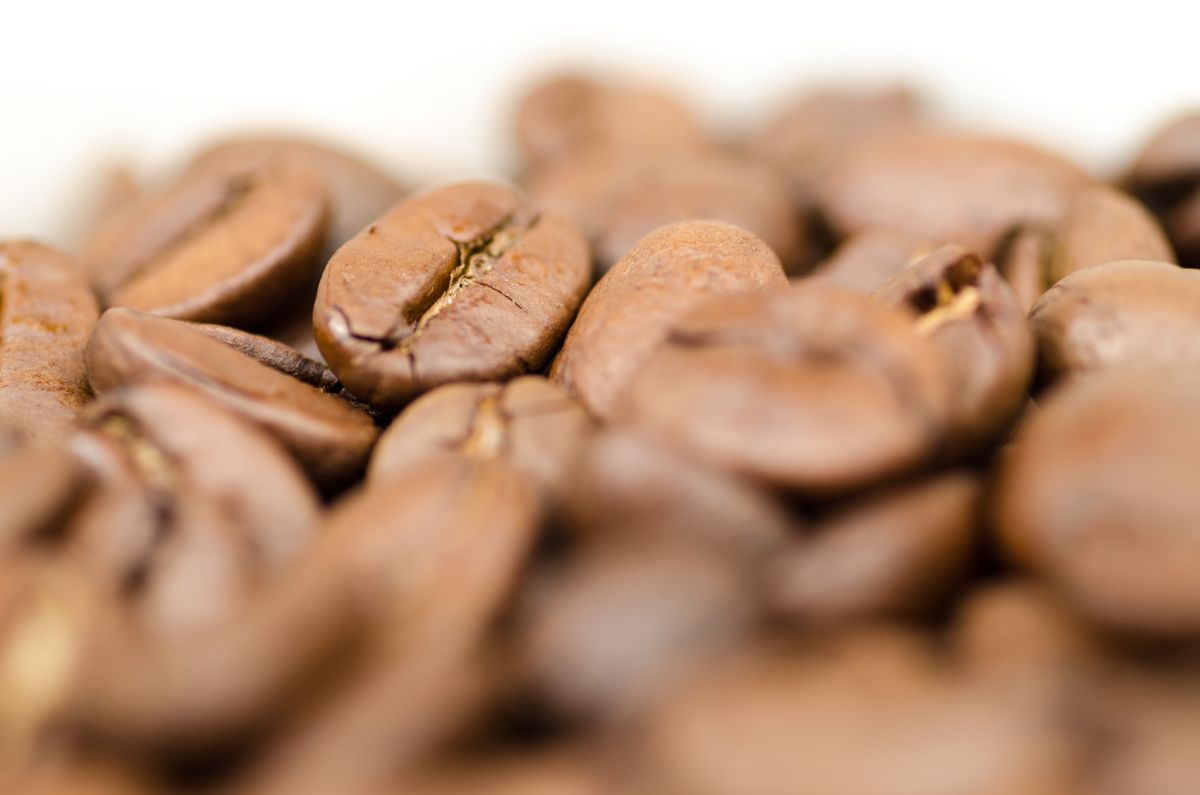
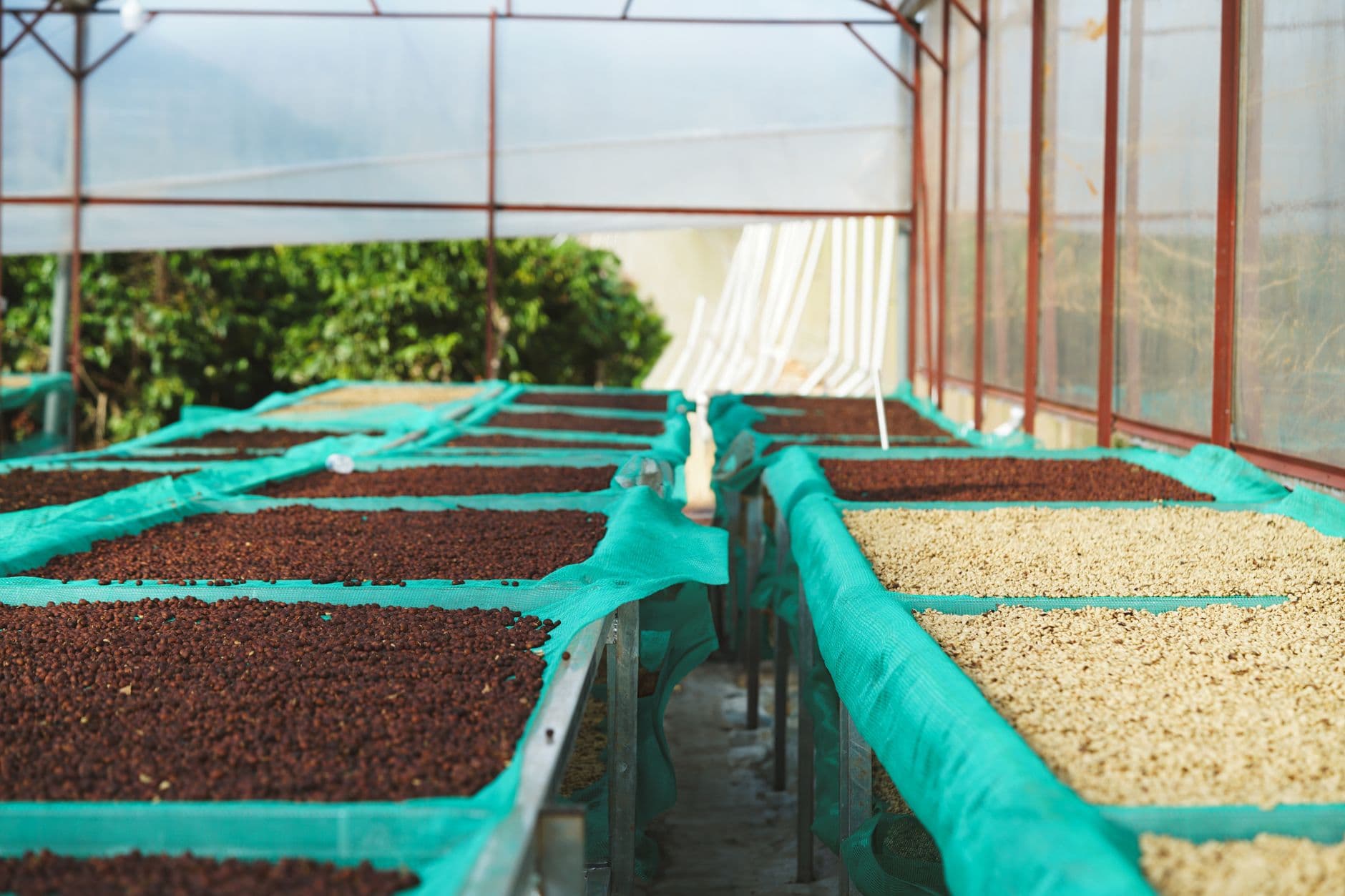
Green coffee is assessed on cupping score using the Specialty Coffee Association (SCA) 100-point scale — coffee scoring 80 and above is generally considered specialty grade, and this is the baseline we evaluate new supplier relationships against for our premium buyer segment. Beyond cupping, we look at screen size (bean size grading), defect count per sample, and moisture content (typically expected in the 10–12% range for stable storage and transit). Processing method — washed, natural, or honey process — is a real differentiator buyers ask about specifically, not an interchangeable detail, so being clear about which method you use for a given lot matters.
Certifications That Strengthen Your Position
While not mandatory for every buyer relationship, certifications meaningfully expand which segments of our buyer network a lot can reach: Rainforest Alliance certification, Fair Trade certification, and USDA/EU Organic certification are the three most commonly requested by our European buyers specifically. If you hold one or more of these, it's worth flagging upfront in your initial submission — it changes which buyer segments we can introduce your coffee to and can support a stronger offer.
Packaging and Shipping Considerations
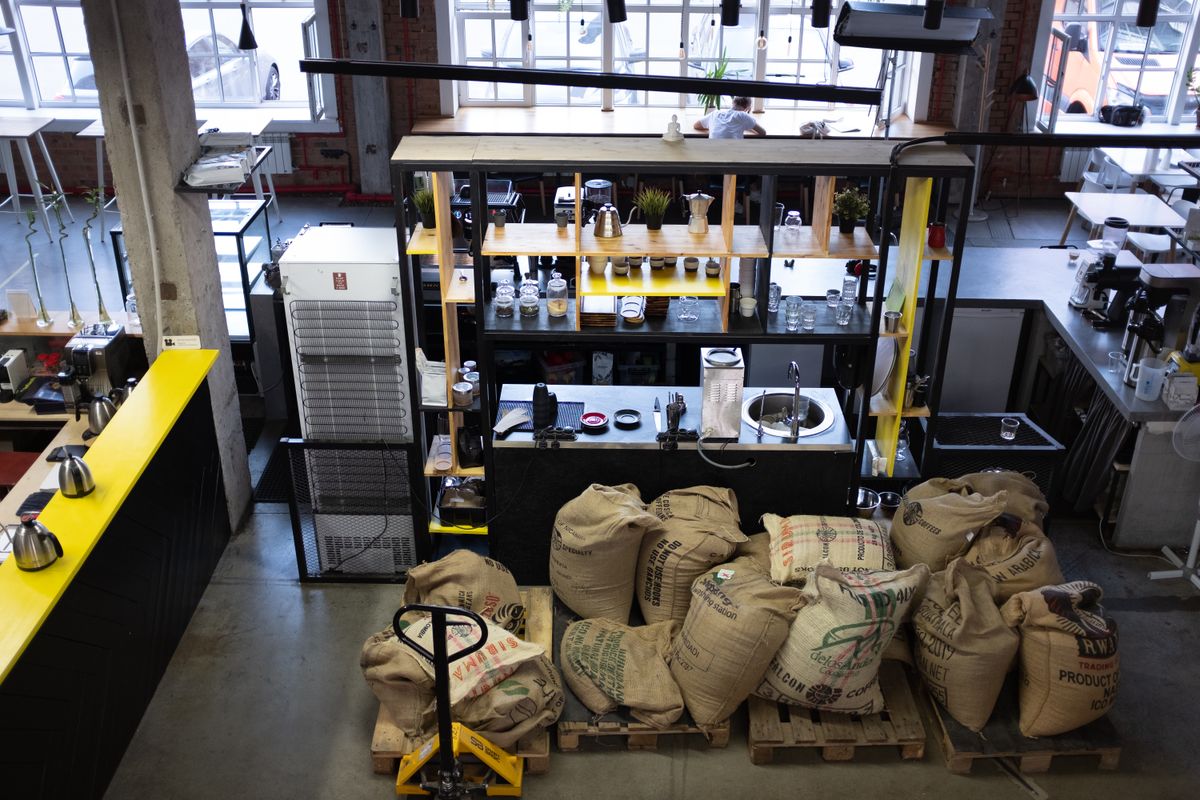
Standard green coffee export packaging is 60kg or 69kg jute or sisal bags, and for higher-value or longer-transit lots, GrainPro or similar hermetic/vacuum-sealed liners are increasingly expected by buyers concerned about moisture ingress and flavour degradation during ocean freight. If you're not currently using hermetic liners, it's worth discussing — some buyer segments specifically ask for it, particularly for specialty-grade or single-origin lots being held in storage longer than a standard turnaround.
Have questions before you keep reading?
Get pricing, MOQs and lead times for your market.
Sample Submission and Cupping Evaluation
Before any volume commitment, we ask new producer and exporter relationships to submit representative samples for cupping evaluation — this protects both sides, since a buyer relationship built on an untested sample risks a mismatch once a full container arrives. Samples should represent the actual lot being offered (not a best-case selection unrelated to the bulk lot), and should include basic lot information: origin, region, altitude, variety, processing method, and harvest date.
How the Supplier Relationship Works
Step 1 — Initial Contact: Share your origin, available lots, typical volumes, and any certifications via our contact form. Step 2 — Sample Evaluation: Send representative samples for cupping and quality assessment — this typically takes 1–2 weeks. Step 3 — Terms Discussion: If there's a fit, we discuss pricing, volume, and delivery timeline directly, tied to the specific lot's quality profile. Step 4 — Trial Shipment: Most new relationships start with a smaller trial shipment before scaling to a standing container programme, so both sides can confirm consistency between the sample and the delivered lot.
Harvest Calendar and Ongoing Relationships
Coffee is a seasonal crop, and harvest timing varies significantly by origin and hemisphere — a producer relationship that accounts for this from the outset, rather than assuming a single year-round supply pattern, tends to work better for both sides. We're generally looking for producers and exporters interested in a recurring relationship across multiple harvest cycles, not a single opportunistic sale, since that's what lets us build the consistent buyer-side demand that benefits your pricing over time.
Where Candora Trading Fits
For a producer, cooperative, or exporter looking for a direct, quality-focused buying relationship rather than routing through several layers of intermediaries, Candora Trading offers a route to our European and international buyer network with pricing and terms negotiated specifically around your lot's quality profile and certifications, not a generic commodity rate.
FAQ
Frequently asked questions
We work with container-scale programmes (typically 19–21 tonnes per 20ft container) as the standing relationship target, but we're open to a smaller trial shipment first for a new producer or exporter relationship before scaling up.
No, certification isn't mandatory, but Rainforest Alliance, Fair Trade, or Organic certification meaningfully expands which buyer segments we can introduce your coffee to. Flag any certifications you hold when you first reach out.
We evaluate on the SCA 100-point scale — 80 and above is generally considered specialty grade and is the baseline for our premium buyer segment, though we're open to discussing lower-scoring commercial-grade lots depending on the buyer fit.
Cupping and quality evaluation typically takes 1–2 weeks after we receive representative samples. Terms discussion and a trial shipment agreement usually follow within a few weeks after that, depending on origin logistics.
Not for every lot, but it's increasingly expected for specialty-grade or longer-transit shipments, and some of our buyer segments specifically ask for it. Worth discussing upfront if you're not currently using it.
We're generally looking for producers and exporters interested in a recurring relationship across multiple harvest cycles, since that consistency is what supports stronger, more stable pricing over time — though a single trial lot is a normal first step.
Brazil, Colombia, Ethiopia, Vietnam, Guatemala, Honduras, Peru, Ecuador, Kenya, Indonesia, Costa Rica, Mexico, Nicaragua, Rwanda, and Uganda — but we're open to discussing other origins if the quality and logistics make sense.
Ready to get started?
Contact our team to discuss volumes, pricing, and supply structures for your market.
Related
Explore more
Coffee
Coffee Wholesale: Green Coffee Sourcing by Origin
Coffee
Brazil Coffee Wholesale: Sourcing Guide for Roasters, Distributors and Importers
Coffee
Colombia Coffee Wholesale: A Buyer's Guide to Sourcing Washed Arabica
Coffee
Ethiopia Coffee Wholesale: Sourcing Heirloom Arabica for Specialty and Blend Programmes
Confectionery
Become a Supplier Partner: Expand Your Global Reach with Candora Trading
Coffee
Vietnam Coffee Wholesale: The Buyer's Guide to Sourcing Robusta