Quality Control & Inspection Procedures
Quality control inspection procedures for candy need to cover both incoming supplier shipments and, for manufacturers, in-process production checks — the two serve different purposes and catch different kinds of problems.
 By Rikard Kunsinsh, Candora TradingPublished April 18, 2026
Incoming Shipment Inspection
For distributors and retailers, incoming inspection means sampling and checking supplier shipments against agreed specifications before accepting them into inventory — catching a quality issue at receiving is far less costly than discovering it after the product has already reached a customer.
In-Process Production Checks for Manufacturers
For manufacturers, in-process quality checks at defined points during production (not just a final finished-product check) catch issues earlier in the process, before an entire batch is affected — this connects directly to the HACCP-based critical control point approach covered in our ISO 22000 and FSSC 22000 guides.

Sampling Methodology and Statistical Confidence
Inspection sampling should follow a defined methodology (sample size relative to batch size, following a recognized sampling standard) rather than an ad-hoc "check a few pieces" approach, since inadequate sample size can miss real quality issues present in the broader batch.
Documenting Inspection Results
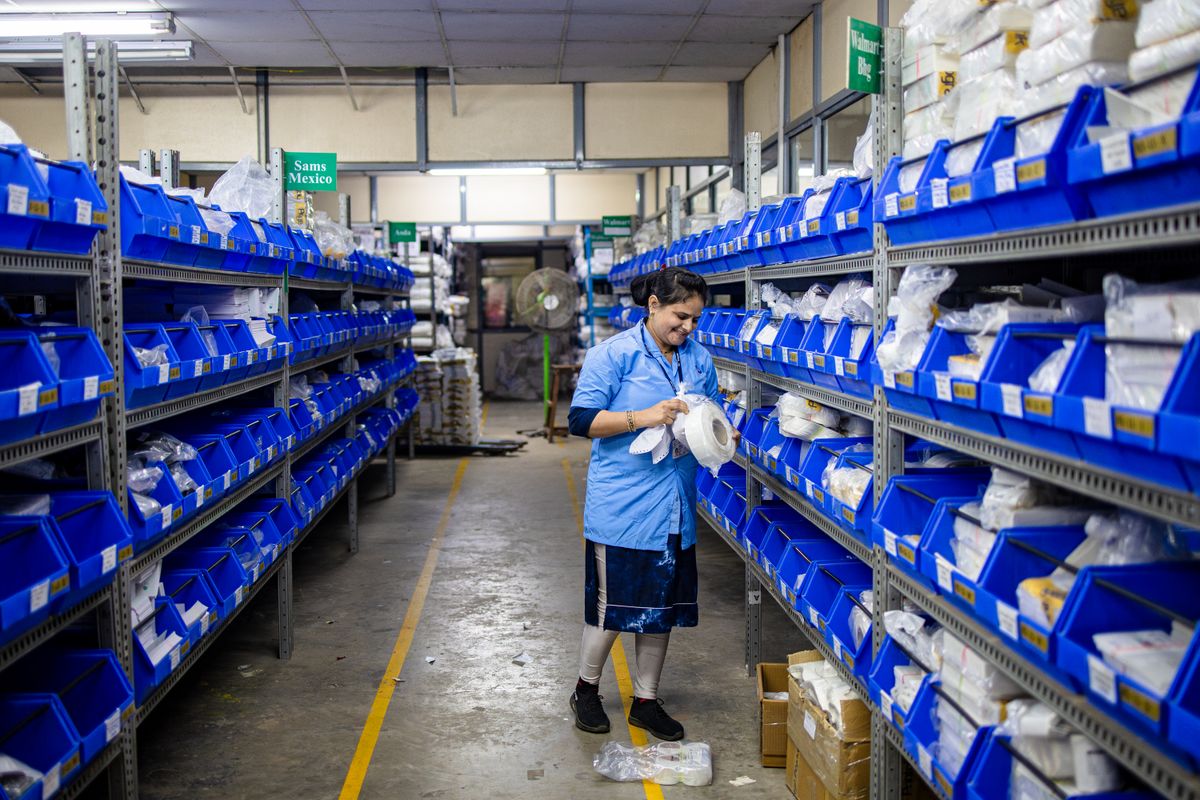
Inspection results need to be documented consistently, not just acted on informally — this documentation is what auditors (covered in our food safety audits guide) specifically check, and it's also the record that supports a defensible response if a quality issue or dispute arises later.
FAQ
Frequently asked questions
Catching a quality issue at receiving, before product enters inventory or reaches a customer, is far less costly than discovering it downstream — incoming inspection is a distributor's primary quality control checkpoint.
Not reliably — sample size should follow a defined methodology relative to batch size. An inadequate sample size can miss real quality issues present in the broader batch.
Ready to get started?
Contact our team to discuss volumes, pricing, and supply structures for your market.
Related