Packaging & Shipping Optimization
Beyond the online-seller-specific packaging guides elsewhere on this site, this page covers packaging and shipping optimization for wholesale and distribution volume specifically, where the economics and considerations differ from single-parcel e-commerce shipping.
 By Rikard Kunsinsh, Candora TradingPublished April 18, 2026
Bulk Packaging vs. Retail-Ready Packaging Trade-offs
Wholesale shipments typically move in bulk case or pallet packaging rather than individual retail-ready units, which reduces per-unit packaging cost but shifts final packaging/repackaging responsibility downstream — confirm with buyers whether they need retail-ready packaging or will handle their own repackaging.
Pallet and Container Optimization
Maximizing product density per pallet or container (within weight and stability limits) directly reduces per-unit freight cost, similar to the consolidation principles covered in our logistics guides — this is a genuine, ongoing optimization exercise as product mix and packaging specs change over time.

Protective Packaging for Wholesale-Volume Shipping
Bulk wholesale shipments still need the temperature and crush protection covered in our e-commerce packaging guide, scaled to case and pallet level rather than individual parcels — a chocolate shipment in a non-climate-controlled container faces the same bloom risk at wholesale scale as at parcel scale.
Balancing Packaging Cost Against Damage Risk
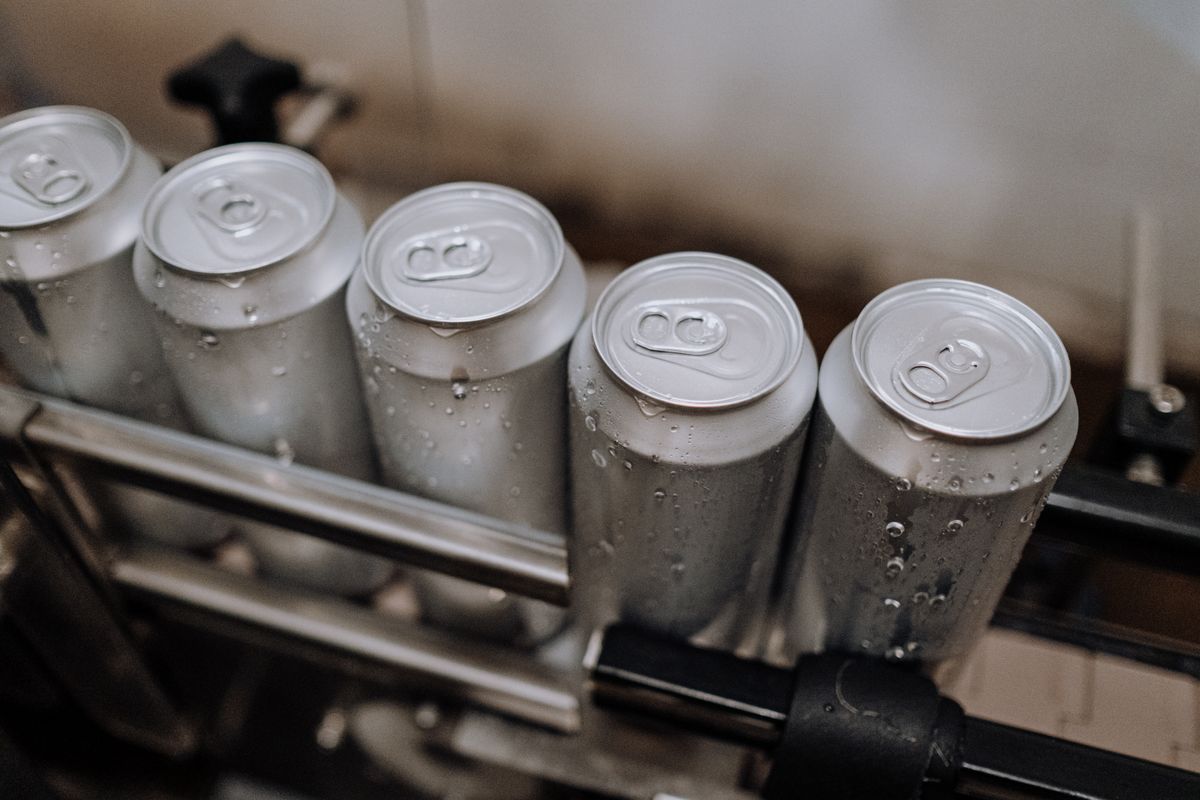
Under-packaging to save cost risks damage claims and returns that cost more than the packaging saved — the right balance is informed by actual damage-rate data from past shipments, not a one-time packaging spec decision made without reference to real damage experience.
FAQ
Frequently asked questions
Depends on buyer preference — bulk case/pallet packaging is cheaper per unit but shifts repackaging responsibility downstream. Confirm with buyers whether they need retail-ready product or will handle their own repackaging.
Track actual damage-rate data from past shipments — under-packaging shows up as damage claims and returns that cost more than the packaging saved; over-packaging shows up as unnecessarily high freight and material cost.
Ready to get started?
Contact our team to discuss volumes, pricing, and supply structures for your market.
Related
Explore more
Operations
Retail Display Optimization for Candy Sales

Operations
Customer Experience Strategy for Candy Retail

Operations
Return & Damage Management

Buyer Personas
Inventory Management System for Retail Candy Stores: Avoiding Waste While Maximizing Sales

Operations
Merchandising Tactics to Increase Candy Velocity