Customer Experience Strategy for Candy Retail
Candy retail customer experience is shaped less by service scripts than by three concrete, measurable factors: product freshness, display accessibility, and checkout speed — improvements concentrated here tend to outperform generic customer-service initiatives.
 By Rikard Kunsinsh, Candora TradingPublished April 18, 2026
Freshness as the Foundation of Trust
Candy is a category where a single stale or expired item damages trust in the entire display, not just that one product — rotating stock on a first-in-first-out basis and pulling anything approaching its best-by date before a customer finds it is a more direct lever on repeat purchase than any service training.
Display Accessibility and Self-Selection
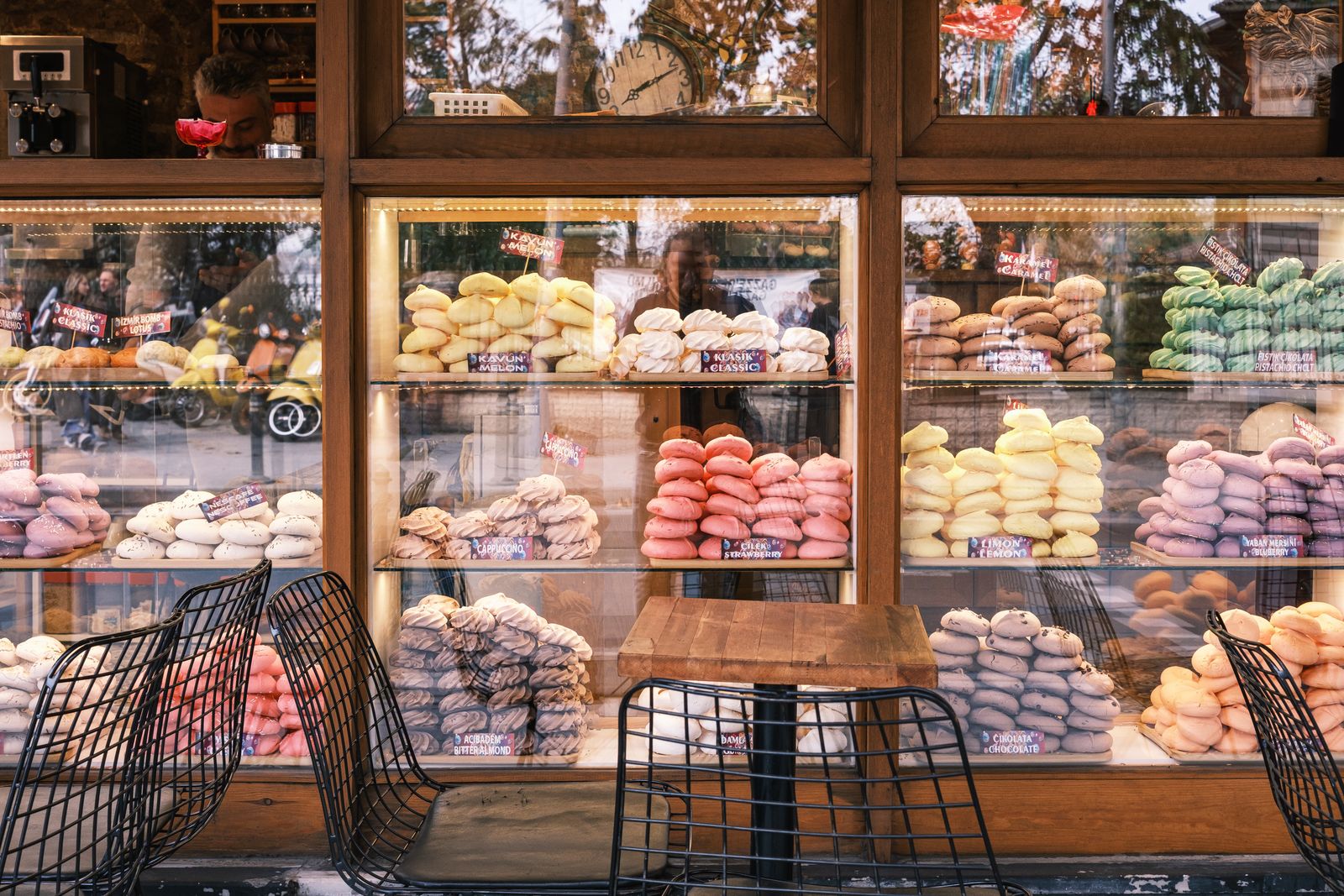
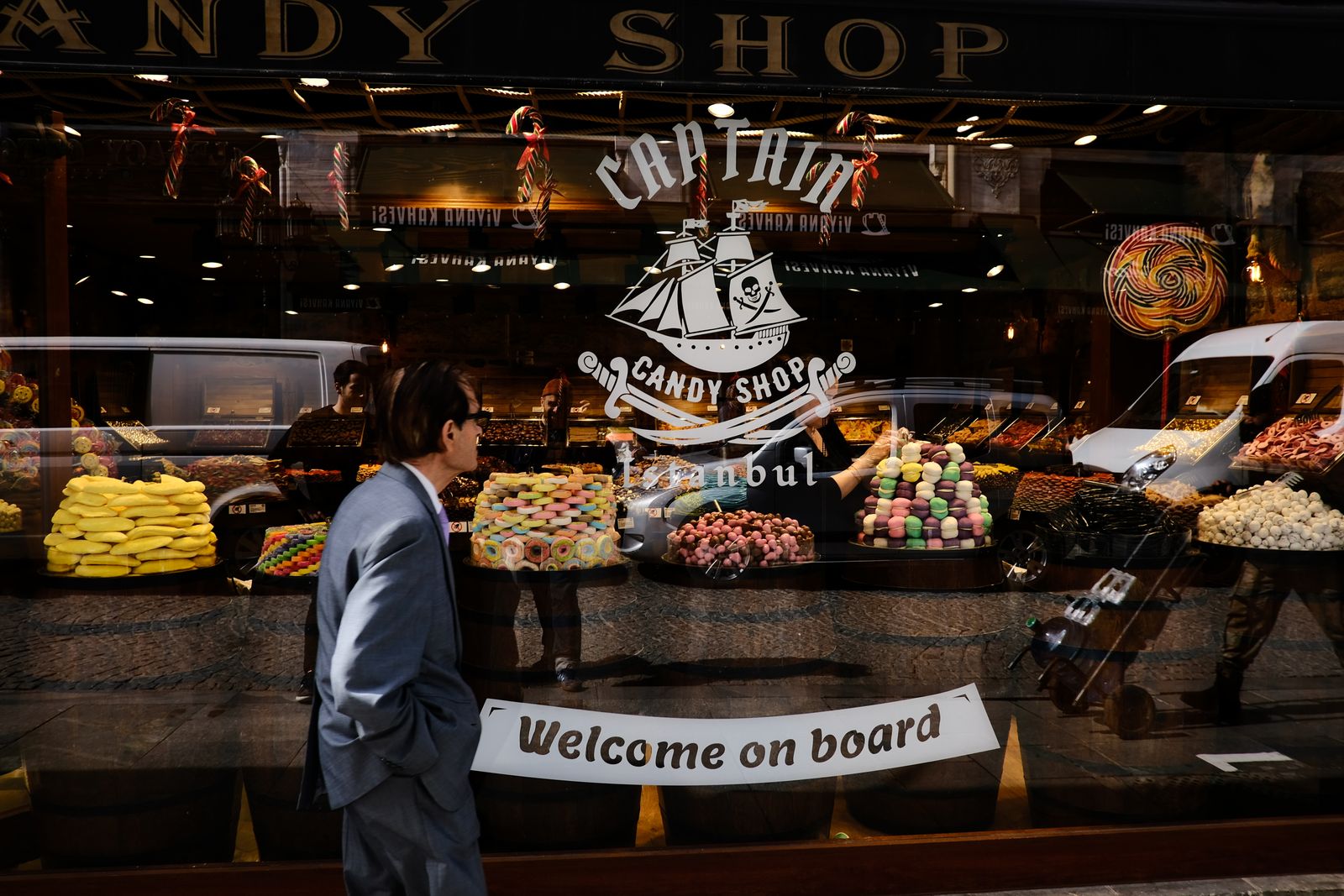
Because candy purchases are frequently impulse-driven and self-selected rather than assisted, the physical display matters more than staff interaction for most transactions — clear pricing, accessible reach height for a range of customers, and enough facing depth that a popular item isn't visibly out of stock all directly affect conversion at the shelf.
Checkout Speed for a Low-Consideration Purchase
Candy is disproportionately an impulse add near checkout, which means checkout friction (a slow line, a confusing self-checkout scan for loose or bulk candy) has an outsized effect on whether the impulse item actually gets purchased compared to higher-consideration goods where the customer is more committed regardless of friction.
Seasonal and Occasion Merchandising
Candy purchasing is heavily occasion-driven (Halloween, Valentine's, Easter, back-to-school), and a customer experience strategy that fails to refresh displays and signage ahead of these windows misses a large share of the category's annual demand concentrated in a few weeks per occasion.

Measuring What Actually Moved
Rather than generic satisfaction surveys, track sell-through rate changes after specific interventions (a display reset, a freshness-rotation policy change, a checkout process change) — this ties customer experience work directly to a measurable sales outcome instead of a subjective satisfaction score that's hard to act on.
FAQ
Frequently asked questions
The display, in most cases — candy is predominantly a self-selected, impulse purchase, so accessibility, pricing clarity, and freshness at the shelf drive more of the customer experience than staff interaction does for this category specifically.
First-in-first-out stock rotation with proactive pulling of anything nearing its best-by date — a single stale item found by a customer damages trust in the whole display, not just that product.
Ready to get started?
Contact our team to discuss volumes, pricing, and supply structures for your market.
Related