Packaging Design & Brand Identity
Packaging design does real commercial work beyond aesthetics — it communicates positioning (premium vs. value, covered in our brand positioning guide), differentiates on a crowded shelf, and needs to function practically for the specific product format inside it.
 By Rikard Kunsinsh, Candora TradingPublished April 18, 2026
Packaging as a Positioning Signal
Packaging quality and design directly communicate positioning to a buyer before they've tasted the product — premium packaging on a mediocre product creates a mismatch that damages trust, while excellent product in generic packaging fails to command the price point the quality would otherwise support.
Shelf Differentiation in a Crowded Category
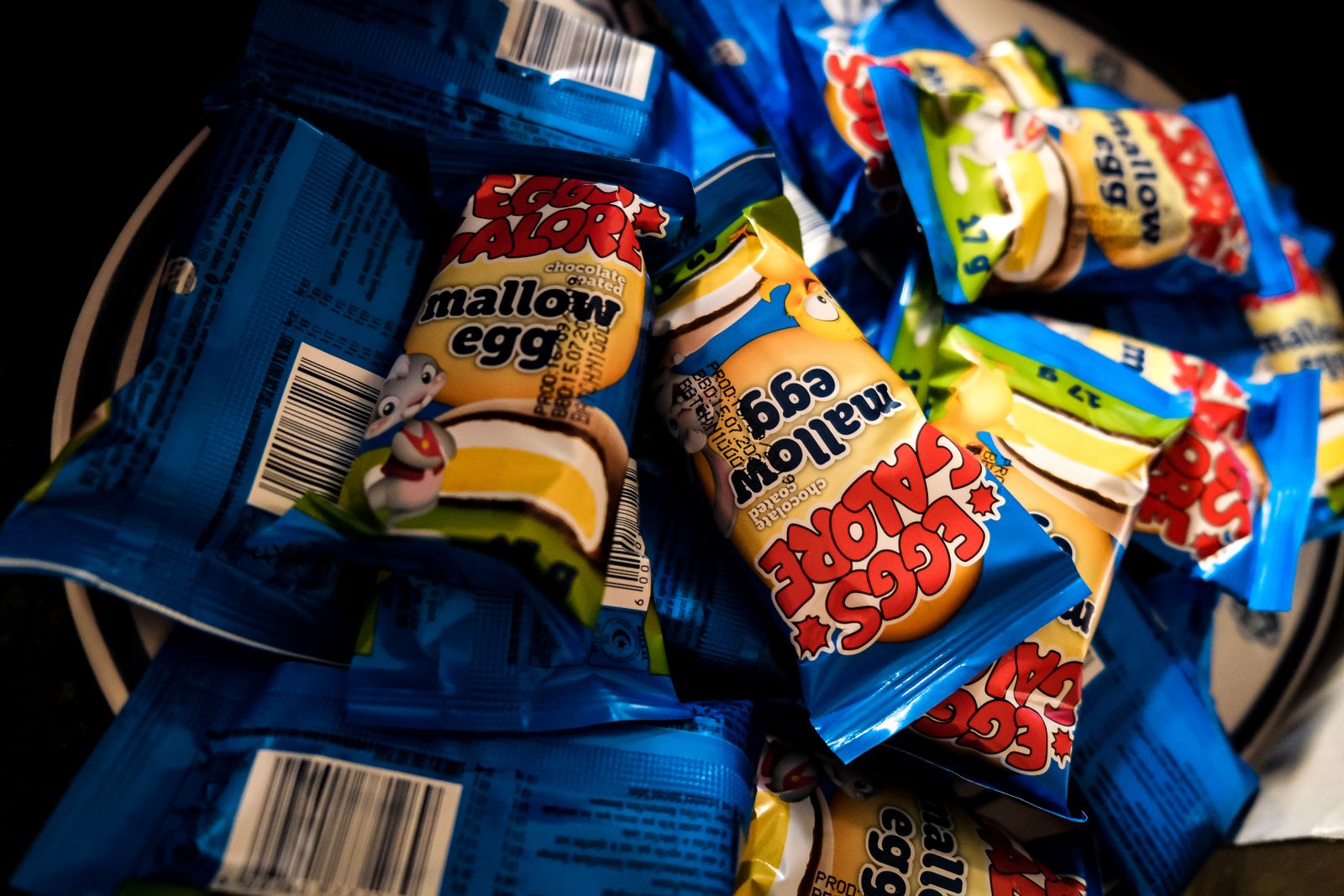
Confectionery shelves are visually crowded, making genuine shelf standout (through color, shape, or a clear visual hierarchy) a real commercial consideration, not just an aesthetic one — packaging that blends into the surrounding shelf visually underperforms regardless of the product quality inside.

Functional Packaging Considerations by Format
Packaging design needs to accommodate the practical requirements covered elsewhere on this site — resealability for bulk formats, individual-wrap integrity for guest-facing gifting, and the protective/shipping considerations for e-commerce — aesthetic design that ignores these functional needs creates real downstream problems.

Private Label Packaging Development
For private label programmes (covered in our sourcing guides), packaging design is where a buyer builds genuinely differentiated brand identity on top of a shared underlying product — this is often the highest-leverage differentiation point available in a private label programme, more accessible than differentiating on formulation alone.
FAQ
Frequently asked questions
Yes — packaging communicates positioning before a buyer tastes the product. A quality product in generic packaging fails to command the price point its quality would otherwise support, and premium packaging on a mediocre product damages trust once the mismatch is discovered.
Packaging design, often more accessible than differentiating on formulation alone — it's where a buyer builds genuinely distinct brand identity on top of a shared underlying product from the manufacturer.
Ready to get started?
Contact our team to discuss volumes, pricing, and supply structures for your market.