Vertical Integration in Candy Business
Vertical integration in candy business means taking direct ownership of stages of the supply chain (manufacturing, packaging, distribution) that would otherwise be outsourced to a supplier or partner — it can genuinely improve margin and control, but it also converts a variable cost into a fixed one, which is the real trade-off buyers considering this path need to weigh.
 By Rikard Kunsinsh, Candora TradingPublished April 18, 2026
What Vertical Integration Actually Means in This Category
For a candy business, vertical integration commonly means moving from buying finished product from a manufacturer to owning production capability directly (contract manufacturing to owned manufacturing), or from using third-party distribution to owning logistics and warehousing directly — each direction addresses a different bottleneck and requires different capital and expertise.
The Fixed-Cost Trade-Off
Outsourced manufacturing or distribution is a variable cost that scales with volume; owned manufacturing or distribution converts that into largely fixed cost (equipment, facility, staff) that exists regardless of volume — this trade-off only pays off once volume is high and stable enough to keep the fixed-cost asset well-utilized, which is why vertical integration attempted too early, before volume is proven, is a common source of financial strain.

Forward Integration: Owning Distribution
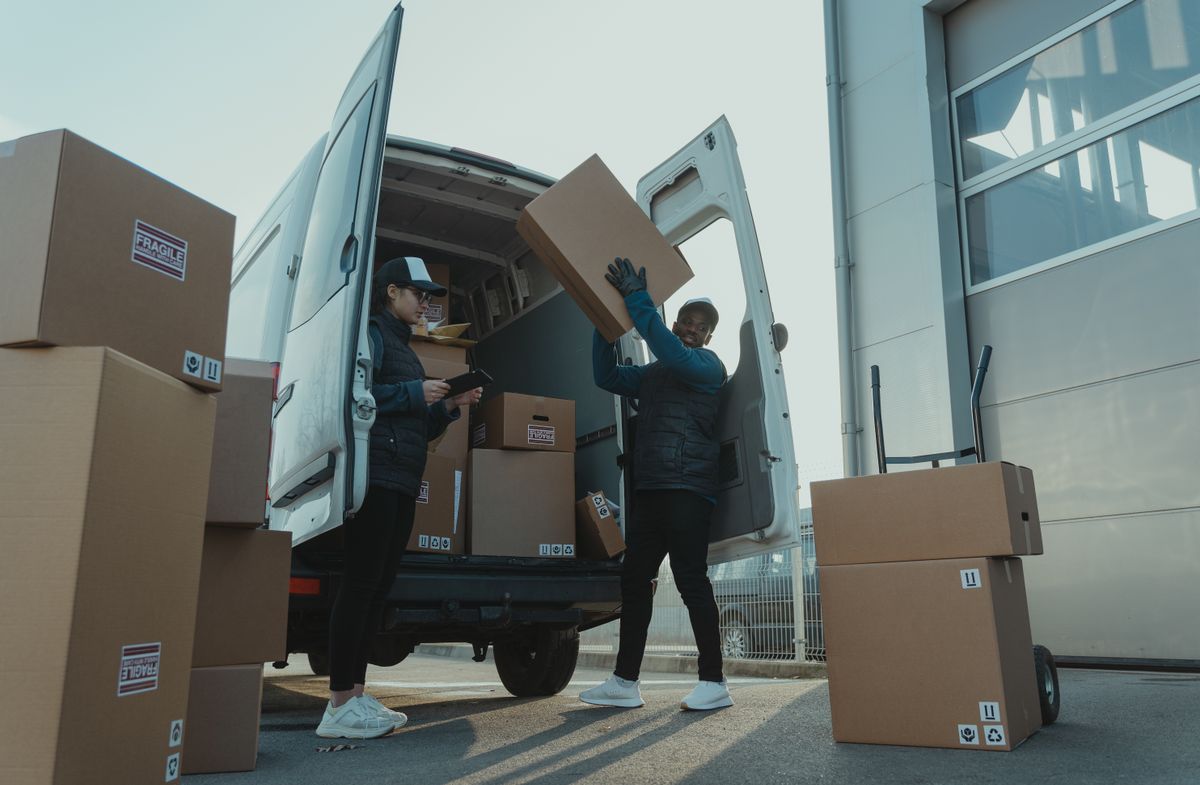
Taking direct control of distribution (owning trucks, warehouses, or a direct sales force rather than relying on a third-party distributor) improves margin and retail relationship control but requires genuine logistics operational expertise that a candy-focused business may not already have — this is often underestimated as "just more infrastructure" rather than a genuinely different operational competency.
Backward Integration: Owning Manufacturing
Moving from contract manufacturing to owned manufacturing capability is a larger capital commitment than forward integration into distribution, and requires manufacturing-specific expertise (quality control, food safety compliance, equipment maintenance) that's a genuinely different skill set from sourcing and sales — this path makes the most sense when a business has proprietary formulation or process advantages worth protecting through direct ownership.
When Vertical Integration Makes Sense vs. When It Doesn't
Vertical integration makes the most sense when volume is large and stable enough to fully utilize the fixed-cost investment, and when the business has or can build the specific operational expertise the integrated function requires — it makes the least sense as a reaction to a temporary supplier or distribution frustration, since the fixed-cost commitment outlasts a temporary problem that might otherwise be solved by switching partners.
FAQ
Frequently asked questions
Converting a variable cost (paying a supplier or distributor per unit) into a largely fixed cost (owning the equipment, facility, and staff) — this only pays off once volume is high and stable enough to keep the fixed-cost investment well-utilized.
Usually not on its own — the fixed-cost commitment of vertical integration outlasts a temporary problem that might be solved more cheaply by switching to a different supplier or distributor rather than taking on ownership.
Ready to get started?
Contact our team to discuss volumes, pricing, and supply structures for your market.