Hershey Wholesale USA: Sourcing Chocolate at the Best Price and Terms
"Hershey wholesale" and "Hershey bars in bulk" are among the most searched chocolate terms by retailers and distributors researching US confectionery sourcing. This guide explains what The Hershey Company actually is, why Candora Trading doesn't distribute the brand directly, and how buyers researching this exact search term can still get chocolate at a competitive, sourced-to-order price and set of terms through Candora's independent supply route.
Why "Hershey wholesale" is a recurring search
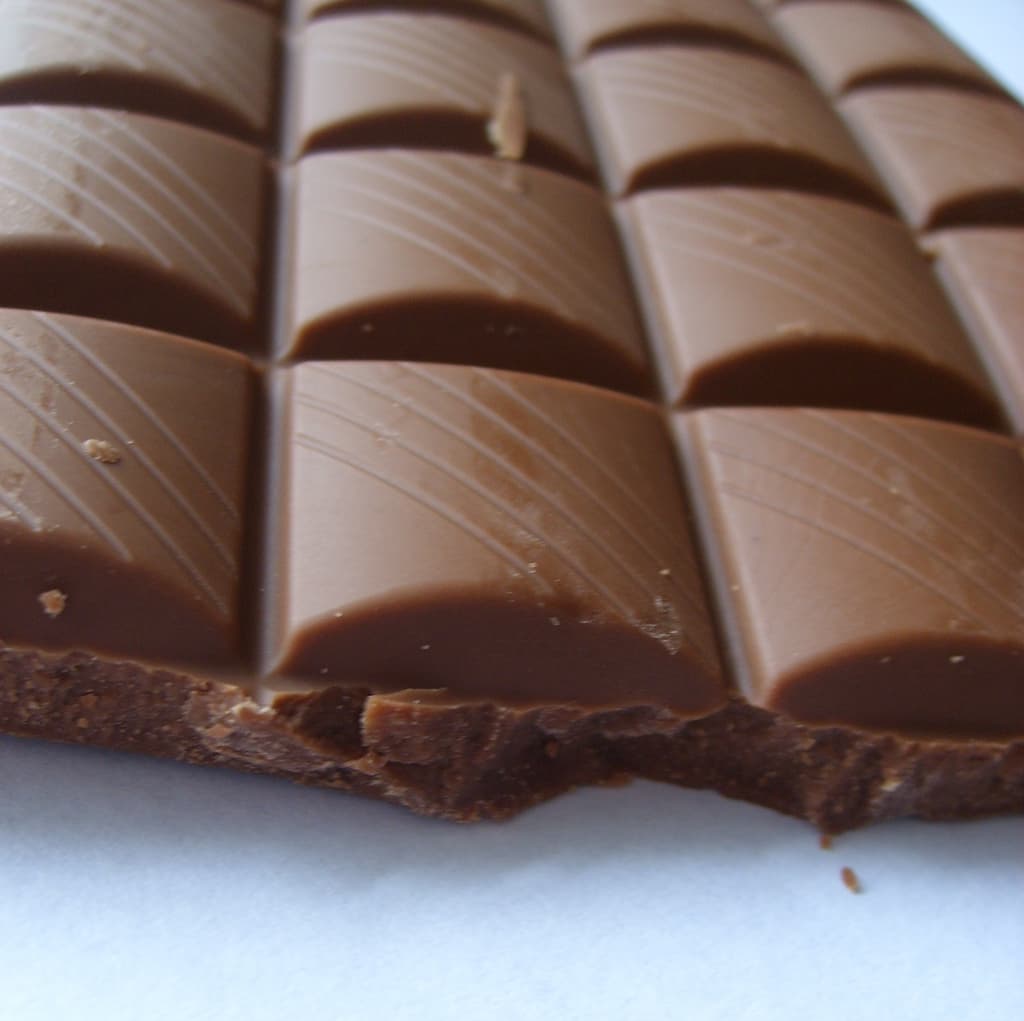
Buyers search brand names like Hershey for a simple reason: it's the fastest way to describe a product category everyone already recognizes. A retailer building a chocolate bar assortment, or a distributor fielding a request from a customer for "Hershey-type" chocolate, searches the brand name because it's a known reference point, not necessarily because they specifically need Hershey's own supply chain. That search intent - recognizable chocolate bar format, US retail context, wholesale volume - is exactly what this page is built to answer, whether or not the eventual sourcing route runs through Hershey itself.
The Hershey Company: what buyers should know before sourcing
The Hershey Company is a US-headquartered confectionery manufacturer based in Hershey, Pennsylvania, and one of the largest chocolate producers in North America. It owns and manufactures the Hershey's chocolate bar line directly, and in the US it also manufactures and distributes several other well-known confectionery names under license or ownership, including Reese's and Kit Kat (Kit Kat is a Nestle-owned global trademark, licensed to Hershey for US manufacturing and distribution specifically - a genuinely useful sourcing fact, since it explains why US Kit Kat differs from Kit Kat made elsewhere). None of this changes what a wholesale buyer actually needs, which is chocolate bar-format product at a workable price and MOQ - it's context for understanding why the brand name shows up across several different products in a US retail chocolate aisle.
Why Candora doesn't distribute Hershey directly - and what we do instead
Candora Trading is not affiliated with, licensed by, or an authorized distributor of The Hershey Company, and this page does not offer Hershey-brand product. What Candora does offer is independent sourcing of chocolate bar-format confectionery - comparable formats, similar recipes, and equivalent retail positioning - through our own factory-partner network, on terms we negotiate directly for the buyer. For a buyer whose actual requirement is "a recognizable chocolate bar range at a competitive wholesale price," not specifically "Hershey's own supply chain," this is often a faster and more flexible route: no minimum order tied to an existing national distribution agreement, and pricing negotiated fresh for the order rather than inherited from an established retail price structure.
Importing chocolate confectionery into the USA: the real rules
US confectionery imports are subject to FDA labelling requirements - a compliant Nutrition Facts panel, and FALCPA-mandated allergen declarations in plain English covering the nine major allergens (milk and tree nuts are the two most relevant for chocolate specifically). For high-sugar-content products, the USDA/USTR sugar tariff-rate quota system also applies: within-quota duty rates are comparatively low, but rates rise significantly once the annual quota is exhausted, so buyers should confirm current HTS classification and quota status before placing a large order rather than assuming last year's rate still applies. There is no federal VAT in the US; sales tax is set at the state and local level and varies by destination, which matters for landed-cost calculations more than it does for the import process itself.
Chocolate bar format and packaging for retail and foodservice
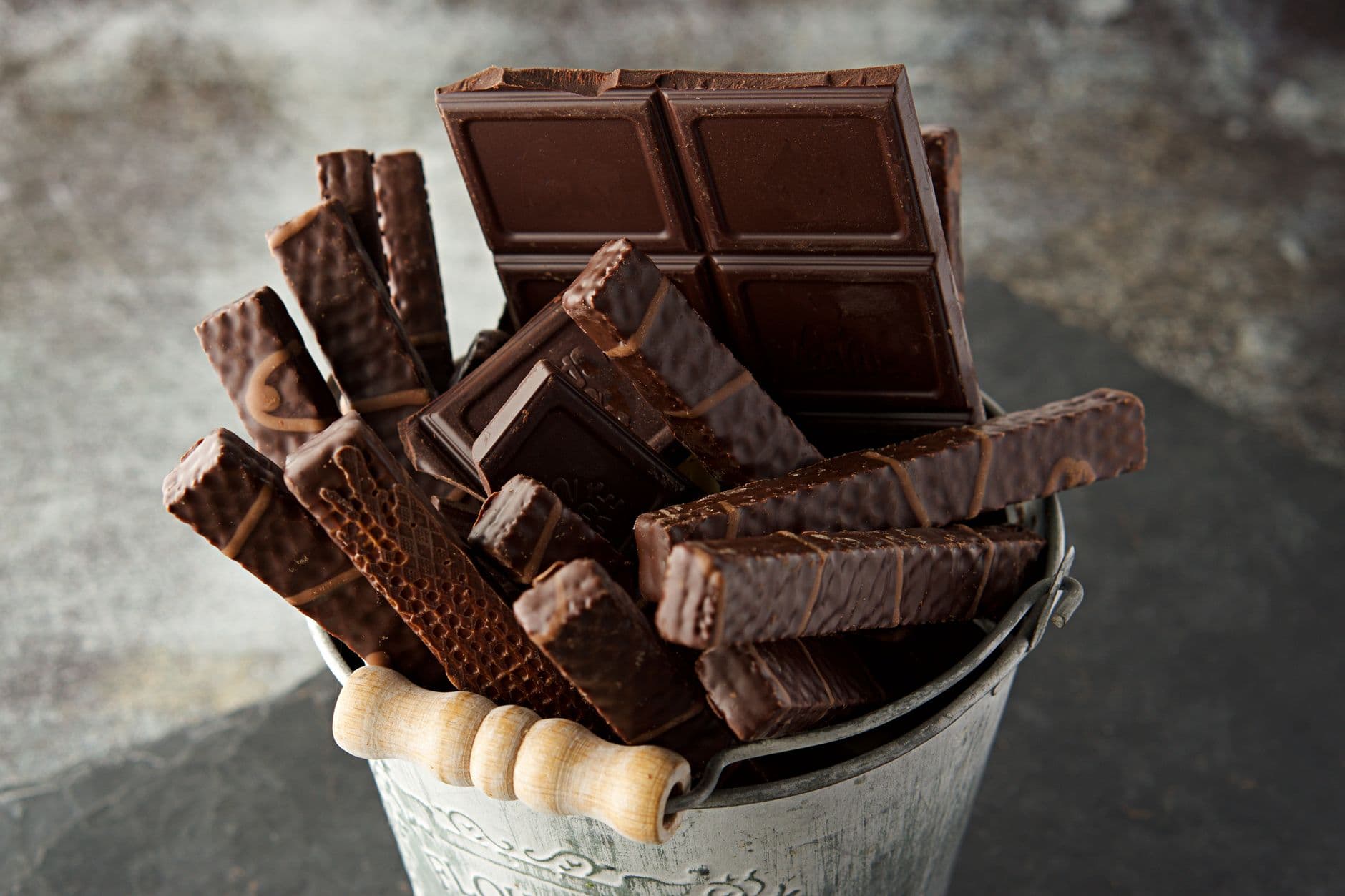
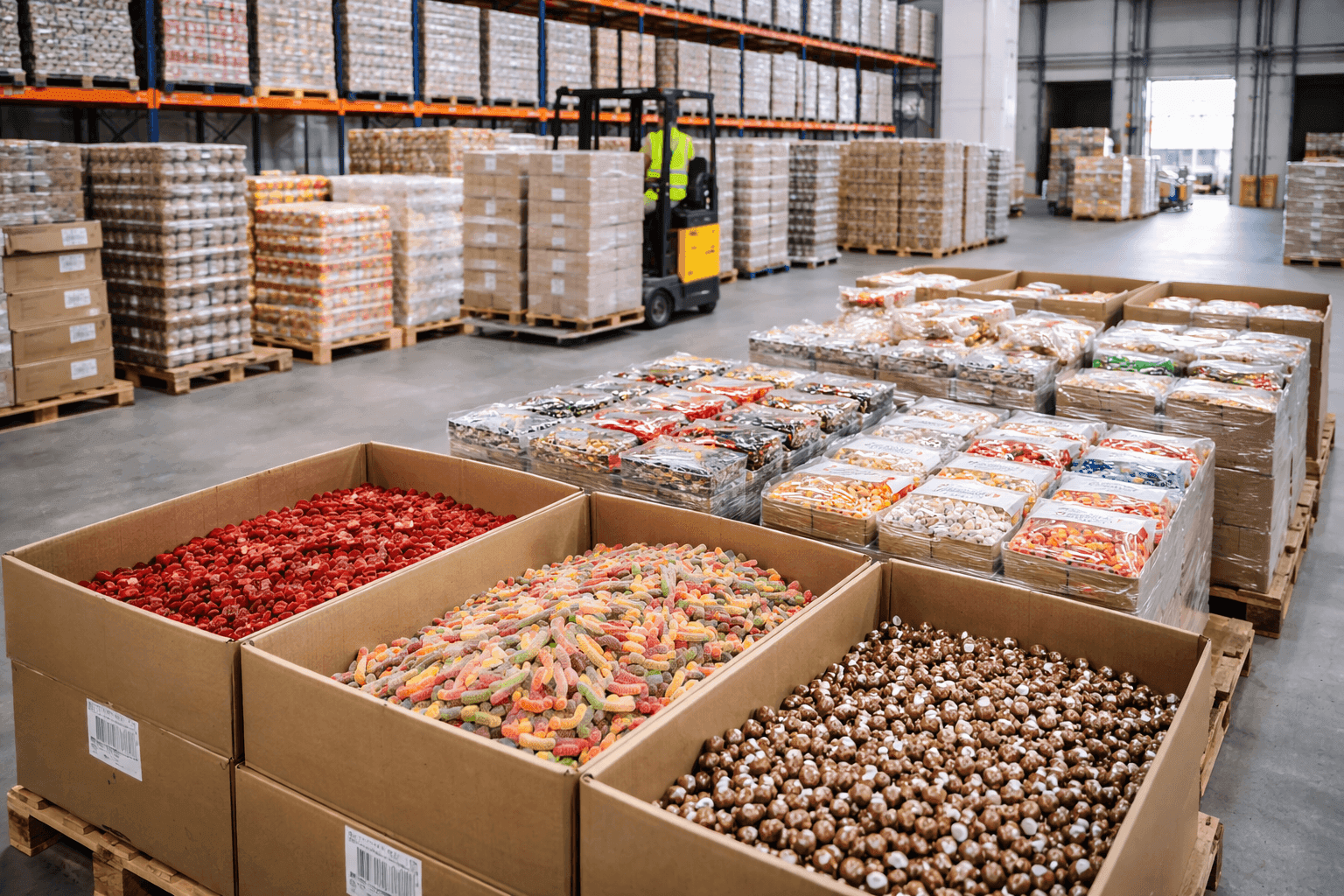
Chocolate bar-format confectionery for US wholesale generally falls into a few recognizable formats buyers should specify up front: standard single bars (individually wrapped, checkout-lane or shelf display), snack-size multi-packs (common in seasonal and Halloween-adjacent assortments), and bulk/box format for foodservice or vending resupply rather than individual retail sale. Packaging and labelling need to match the intended channel - a bulk foodservice box doesn't need the same shelf-ready presentation as a checkout display case - and getting this specified correctly at the sourcing stage avoids a costly repack later.
Have questions before you keep reading?
Get pricing, MOQs and lead times for your market.
Order economics for chocolate-category wholesale buyers
Order economics for chocolate bar-format confectionery are driven mainly by production batch size on the manufacturer's line, not by the brand name on the wrapper. As a general pattern across the chocolate category, smaller test orders are workable for buyers proving out a new retail line, while meaningfully larger volume is where per-unit pricing improves - the exact thresholds depend on the specific format and manufacturer, so treat any number here as a starting point for a real conversation rather than a fixed quote. Buyers should also expect pricing and terms to be genuinely negotiable per order, not fixed to a published wholesale price list, which is part of what "best price and terms" sourcing actually means in practice.
Allergens, shelf life, and quality considerations
Milk chocolate and chocolate containing nuts or nut-processing cross-contact both need clear, compliant allergen labelling under FALCPA - this is a genuine compliance requirement, not a formality, and buyers should confirm allergen documentation as part of any sourcing conversation rather than after the fact. Chocolate bar-format confectionery generally holds quality for roughly 9-12 months unopened under proper storage conditions (cool, low humidity, away from strong odours it can absorb), though exact shelf life depends on the specific formulation and any inclusions like nuts or caramel, which shorten it somewhat versus plain chocolate.
Where Candora Trading fits: best price and terms, not brand distribution
Candora's role for a buyer who searched "Hershey wholesale" is straightforward: we're not a route to Hershey's own product, but we are a route to comparable chocolate bar-format confectionery, sourced through our factory-partner network and negotiated specifically for your order rather than pulled from a fixed price list. That means the conversation starts with your actual requirement - format, volume, target market, timeline - and we work to find the best available price and terms for it, the same structured-sourcing approach Candora already applies across its wider confectionery range.
Getting started
If your requirement is a recognizable chocolate bar range at competitive wholesale pricing - for a new retail listing, a foodservice contract, or a distribution territory - the fastest next step is a direct conversation about format, target volume, and timeline, so we can come back with real pricing and terms rather than a generic quote.
FAQ
Frequently asked questions
No. Hershey is a trademark of The Hershey Company, mentioned here for informational purposes only. Candora Trading is not an authorized Hershey distributor and does not sell Hershey-brand product.
No - Candora doesn't distribute Hershey-brand product directly. What we offer is independent sourcing of comparable chocolate bar-format confectionery through our own factory-partner network, at pricing and terms negotiated for your specific order.
It depends on format and manufacturer - smaller test orders are workable for a new retail line, with per-unit pricing generally improving at higher volume. Share your target format and volume and we'll come back with a real MOQ and price, not a generic figure.
Lead time depends on the manufacturer's current production schedule and the specific format ordered. Standard bar formats already in regular production generally move faster than a custom or first-time formulation - this is one of the first things we'd confirm once we know your requirement.
Yes - a compliant FDA Nutrition Facts panel and FALCPA allergen declarations are required, and high-sugar-content products fall under the USDA/USTR tariff-rate quota system. Confirm current HTS classification and quota status before ordering; rates can change year to year.
Because we negotiate terms per order through our factory-partner network rather than working from a fixed distribution price list, pricing is genuinely negotiable and shaped by your actual volume and format - which is the core of what "best price and terms" sourcing means here.
Sourcing a recognizable chocolate bar format gets a familiar product to market quickly. A private-label range takes longer to develop but builds a proprietary product you control - many buyers do both, using recognizable formats to test a channel before investing in their own line and taking on formulation costs.
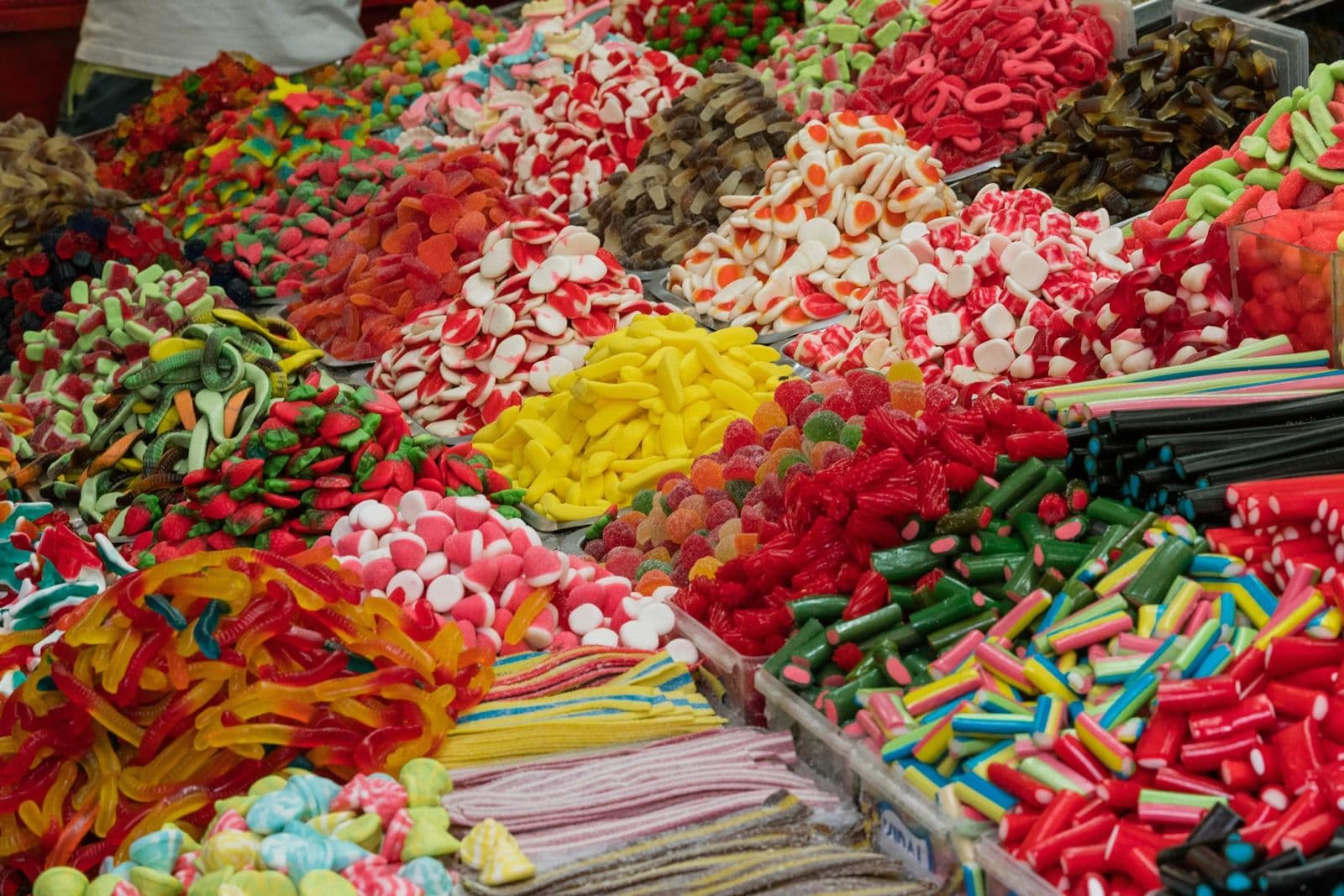
Yes - chocolate bar-format product can be combined with treats, chews, or gummy categories in a single sourcing conversation if that matches your assortment, rather than running separate supplier relationships for each category.
Ready to get started?
Contact our team to discuss volumes, pricing, and supply structures for your market.
Related
Explore more
Brand Sourcing
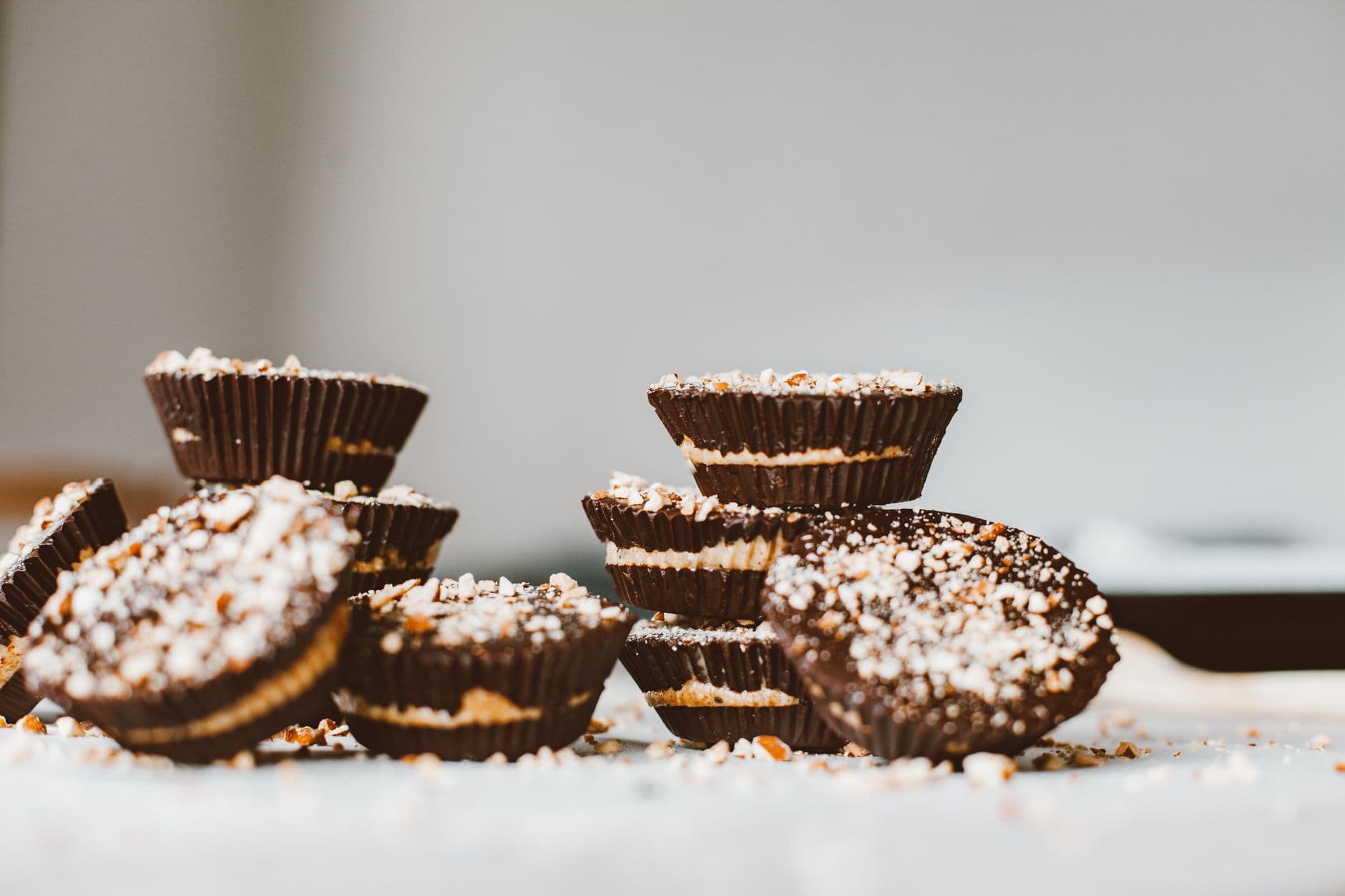
Reese's Wholesale in the USA: A Buyer's Guide
Brand Sourcing
KitKat Wholesale in the USA: A Buyer's Guide

Brand Sourcing
Jolly Rancher Wholesale in the USA: A Buyer's Guide
USA
Candy Importer USA: FDA, Duties and Customs Clearance Explained
USA
Private Label Candy USA: Launch Your Own Candy Brand with European Manufacturing
Confectionery
Confectionery Wholesale