Candy Importer USA: FDA, Duties and Customs Clearance Explained
Importing confectionery into the United States involves a specific set of regulatory steps that trip up first-time importers more often than sourcing itself: FDA facility registration and Prior Notice, correct HTS tariff classification, and customs clearance at the port of entry. This guide covers what US retailers, distributors, private label brands, and Amazon FBA sellers need in place before their first shipment lands, and how Candora Trading structures import programmes to keep the process predictable.
 By Rikard Kunsinsh, Candora TradingPublished July 25, 2026
FDA Requirements for Importing Candy
All food products entering the US, including confectionery, fall under FDA jurisdiction. Two requirements apply to essentially every candy import: the foreign facility must have a current FDA Food Facility Registration, and each shipment requires Prior Notice submitted to the FDA before arrival — typically filed by the customs broker or importer of record at least a few hours before the goods arrive by air, or several days before by sea. Missing or incorrect Prior Notice is the single most common cause of a shipment being held at the port. Labelling must also meet FDA and USDA requirements: nutrition facts panel in the correct format, ingredient declarations in descending order by weight, and allergen statements for the nine major US allergens.
HTS Codes and Duty Rates for Confectionery
Confectionery is classified under HTS Chapter 17 (sugar and sugar confectionery) or Chapter 18 (cocoa and chocolate products), with the exact code depending on composition — whether the product contains cocoa, its sugar content, and its form (bars, gummies, hard candy). Duty rates vary by exact classification and country of origin, and can range from duty-free to double-digit percentages; some categories carry additional tariff-rate quotas tied to sugar content. Getting the HTS code right matters beyond compliance — it directly determines the landed cost you're pricing against, so it should be confirmed before, not after, a pricing decision is finalised.
Ports of Entry and Customs Clearance
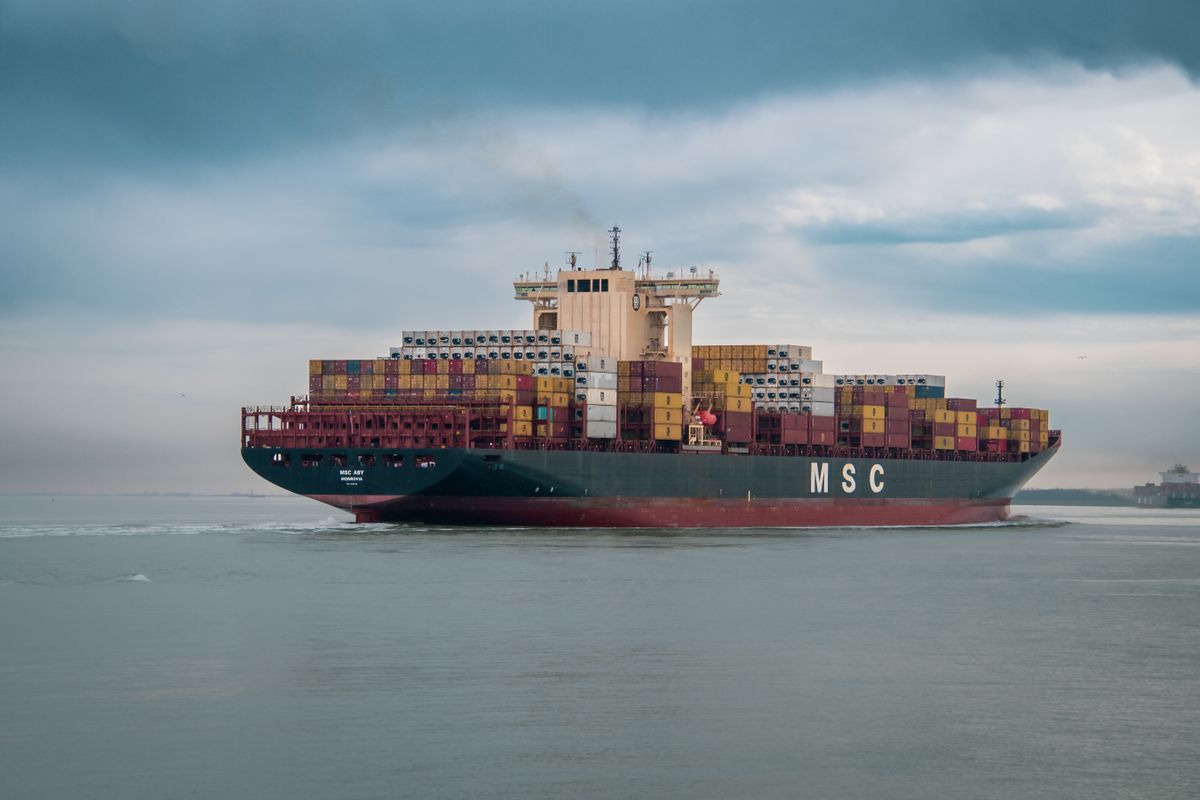
Most European confectionery imports into the US clear through East Coast ports — New York/New Jersey, Norfolk, and Savannah are the most common for European-origin shipments — with West Coast ports (Los Angeles/Long Beach) more typical for Asia-origin freight. A licensed customs broker files the entry, pays duties on the importer's behalf, and coordinates any FDA hold or exam. Budgeting for a customs broker fee and potential FDA exam fees (charged if a shipment is selected for physical inspection) is standard practice — most shipments clear without exam, but it's worth planning for as a contingency rather than a surprise.
Importer of Record: Who Takes on the Responsibility
Every US import needs a designated Importer of Record — the legal entity responsible for duties, accurate classification, and compliance. Retailers and distributors new to importing sometimes underestimate that this is a real legal responsibility, not paperwork — it can be the buyer's own US entity, or in some structured programmes, handled on the buyer's behalf as part of the supply arrangement. Confirming who holds this role, and that they have the FDA registrations and bond in place, should happen before the first shipment is booked, not after.
Structuring Your First US Candy Import
First-time importers generally do best starting with a single pallet or part-container test shipment to validate the full chain — FDA Prior Notice, HTS classification, customs clearance, and final delivery — before committing to full container volume. This surfaces any labelling or classification issues on a shipment small enough that a hold or correction doesn't threaten a full quarter's inventory. Candora Trading structures US import programmes this way by default: a documented pilot shipment first, then scaling to part-container and full 20ft/40ft FCL programmes once the process is proven for a specific product line.
FAQ
Frequently asked questions
The foreign manufacturing facility needs current FDA Food Facility Registration, and Prior Notice must be filed for each shipment before it arrives. As the importer, you should confirm your supplier's registration is current before booking a shipment.
Confectionery falls under HTS Chapter 17 (sugar confectionery) or Chapter 18 (cocoa/chocolate products), with the specific code depending on composition and form. The exact classification affects your duty rate, so it should be confirmed before pricing.
East Coast ports — New York/New Jersey, Norfolk, and Savannah — are most common for European-origin confectionery. Asia-origin shipments more typically route through West Coast ports like Los Angeles/Long Beach.
A designated legal entity responsible for duties, correct classification, and compliance — either the buyer's own US entity or arranged as part of a structured supply programme. This should be confirmed before your first shipment is booked.
Start with a single pallet or part-container pilot shipment to validate FDA clearance, classification, and delivery before scaling to full container volume.
We structure programmes with the full import chain in mind — documentation, classification guidance, and pilot-friendly order sizes — so US buyers aren't navigating FDA and customs requirements separately from the sourcing relationship.
Ready to get started?
Contact our team to discuss volumes, pricing, and supply structures for your market.
Related
Explore more

Wholesale
Candy Importer Guide: How to Import Candy from Europe
Market
Amazon FBA Candy Supplier

USA
Candy Distributor USA: Partner with Candora Trading as a US Distributor

USA
Private Label Candy USA: Launch Your Own Candy Brand with European Manufacturing

Wholesale
Wholesale Candy Pricing: MOQs, Volume Tiers, and How to Get a Quote

USA
Candy Supplier New York: European Candy Wholesale for NYC Retailers