How to Import Candy from Europe
Importing candy from Europe is a straightforward process once you understand the key steps — food safety documentation, customs duties, labelling requirements, and logistics. This guide walks through the complete import process for buyers in the UK, USA, and non-EU countries looking to source candy from European manufacturers.
 By Rikard Kunsinsh, Candora TradingPublished May 16, 2026
Step 1: Identify Your Product Requirements
Before approaching European candy suppliers, define your product brief clearly: what formats (gummies, liquorice, sour candy, pick and mix), what quantities per order, what packaging format (bulk, pre-packaged, private label), and what target retail price point. Knowing your MOQ tolerance, labelling language requirements, and whether you need custom branding upfront will help suppliers give you accurate proposals and avoid wasted sampling cycles.
Step 2: Understand Customs Duties and Import Tariffs
Candy import duties vary by destination country. UK buyers importing from the EU pay standard UK import duty on confectionery — typically 2–8% depending on the specific product (HS code 1704 for sugar confectionery without cocoa). USA buyers importing European candy pay US tariff rates under HS heading 1704, generally 0–5.6%. Check your destination country's customs tariff schedule and confirm the correct HS code for your specific product with your freight forwarder.

Step 3: Food Safety and Certification Requirements
European candy manufacturers operating at export scale are typically BRCGS (Brand Reputation through Compliance Global Standards) or IFS (International Featured Standards) certified. As an importer, you'll want to request the manufacturer's most recent BRCGS certificate, product specifications (including full ingredient lists and allergen declarations), and CoA (Certificate of Analysis) for each product line. UK buyers should also ensure products meet UK Food Information Regulations (FIR). US importers will need to comply with FDA registration requirements for food facility imports.
Step 4: Labelling Requirements by Market
Labelling is one of the most important compliance areas for candy importers. UK: products must comply with the UK Food Information Regulation (retained EU law), with English-language labelling including PPDS allergen declarations. USA: products for US retail must meet FDA labelling requirements including US-format Nutrition Facts panels, US ingredient declarations, and net weight in imperial units. EU internal markets: EU Regulation 1169/2011 applies, with labelling in the language of the destination country. Your supplier should be able to provide compliant labelling as part of the production process — confirm this upfront.
Step 5: Choose the Right Shipping and Logistics
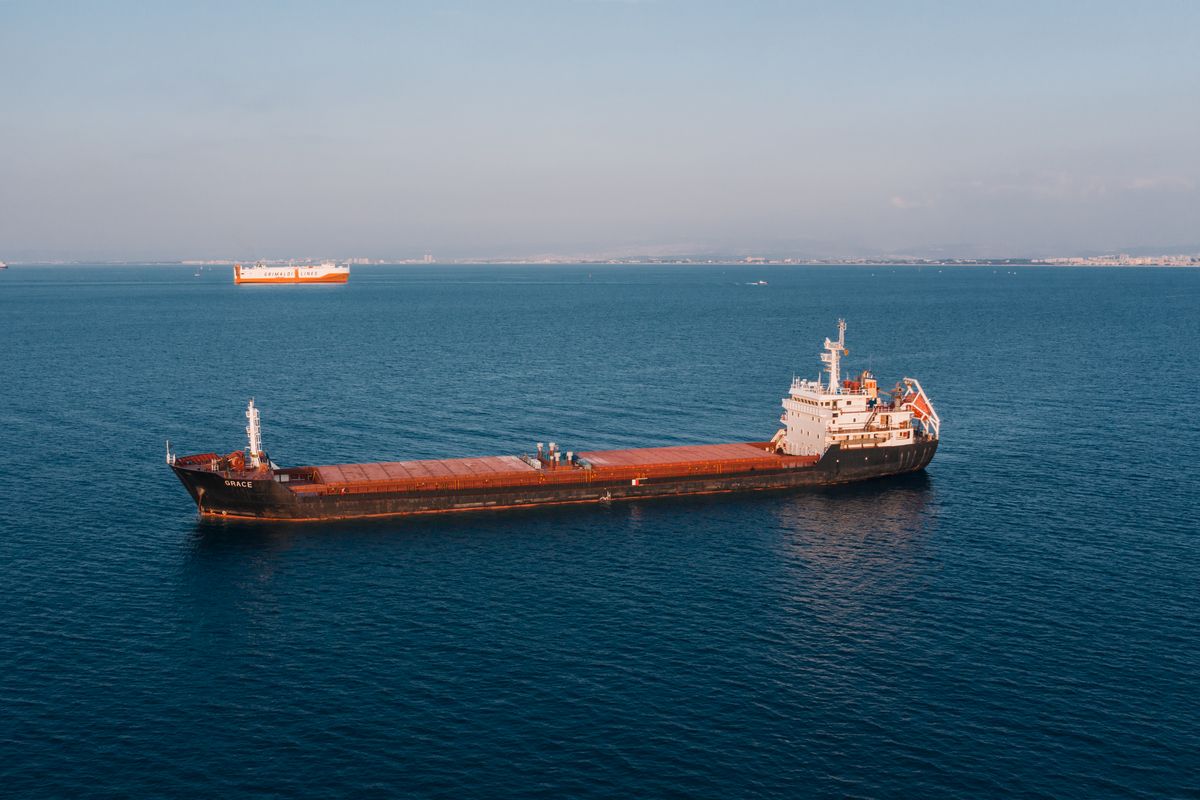
For candy imports from Europe, the main logistics options are: Full Container Load (FCL) — typically 20 or 40-foot containers — for large volume shipments; Less than Container Load (LCL) for smaller orders consolidated with other shippers; and air freight for urgent or small high-value shipments. Most European candy moves by road within Europe and by sea for UK/USA. Lead times from order placement to delivery vary: 2–5 days for European road freight, 10–15 days for UK sea freight, 25–35 days for USA sea freight. Work with a freight forwarder experienced in food imports to handle customs documentation.
Step 6: Work with a Reliable Supplier
The quality of your supply relationship determines the reliability of your import operation. A good European candy supplier will provide product samples before commitment, clear pricing at different volume tiers, consistent product quality with lot traceability, responsive communication on lead times and availability, and full documentation (BRCGS cert, product spec, CoA, customs HS codes). Candora Trading works with importers at all stages of this process — from initial sampling through to ongoing supply. Contact us to discuss your import requirements.
FAQ
Frequently asked questions
Most countries do not require a specific import licence for confectionery, but you may need to register as a food importer with your national food authority (e.g. the FDA in the USA requires facility registration). Check with your local customs authority or a food import specialist for your specific situation.
Sugar confectionery without cocoa (gummies, hard candy, liquorice, etc.) generally falls under HS heading 1704. The specific 6-digit or 10-digit code will depend on the product type and your destination country. Confirm with your freight forwarder.
Look for suppliers with BRCGS or IFS certification, clear pricing at multiple volume tiers, a willingness to provide samples before commitment, and references from existing import customers. Candora Trading works with importers across the UK, USA, and international markets — contact us to discuss your requirements.
Yes. We provide full export documentation including commercial invoices, packing lists, certificates of origin, product specifications, BRCGS certification, and CoA for each shipment. We work with established freight forwarders experienced in food exports.
Ready to get started?
Contact our team to discuss volumes, pricing, and supply structures for your market.
Related
Explore more

Wholesale
Candy Wholesale Margin Guide

Wholesale
How to Start a Pick and Mix Business

Bulk Supply
Bulk Candy Wholesale

Private Label
Private Label Candy Manufacturer: Sourcing European OEM Candy

Wholesale
Wholesale Candy Pricing: MOQs, Volume Tiers, and How to Get a Quote

Wholesale
Candy Importer Guide: How to Import Candy from Europe