Private Label vs. Reselling Established Brands for Candy E-commerce
Beyond the operational sourcing mechanics covered in our Amazon/Shopify/DTC sourcing guide, candy e-commerce sellers face a brand-strategy sourcing decision: build a private-label brand around white-label product, or resell established, recognizable candy brands. This guide covers that decision specifically.
What Each Path Actually Requires
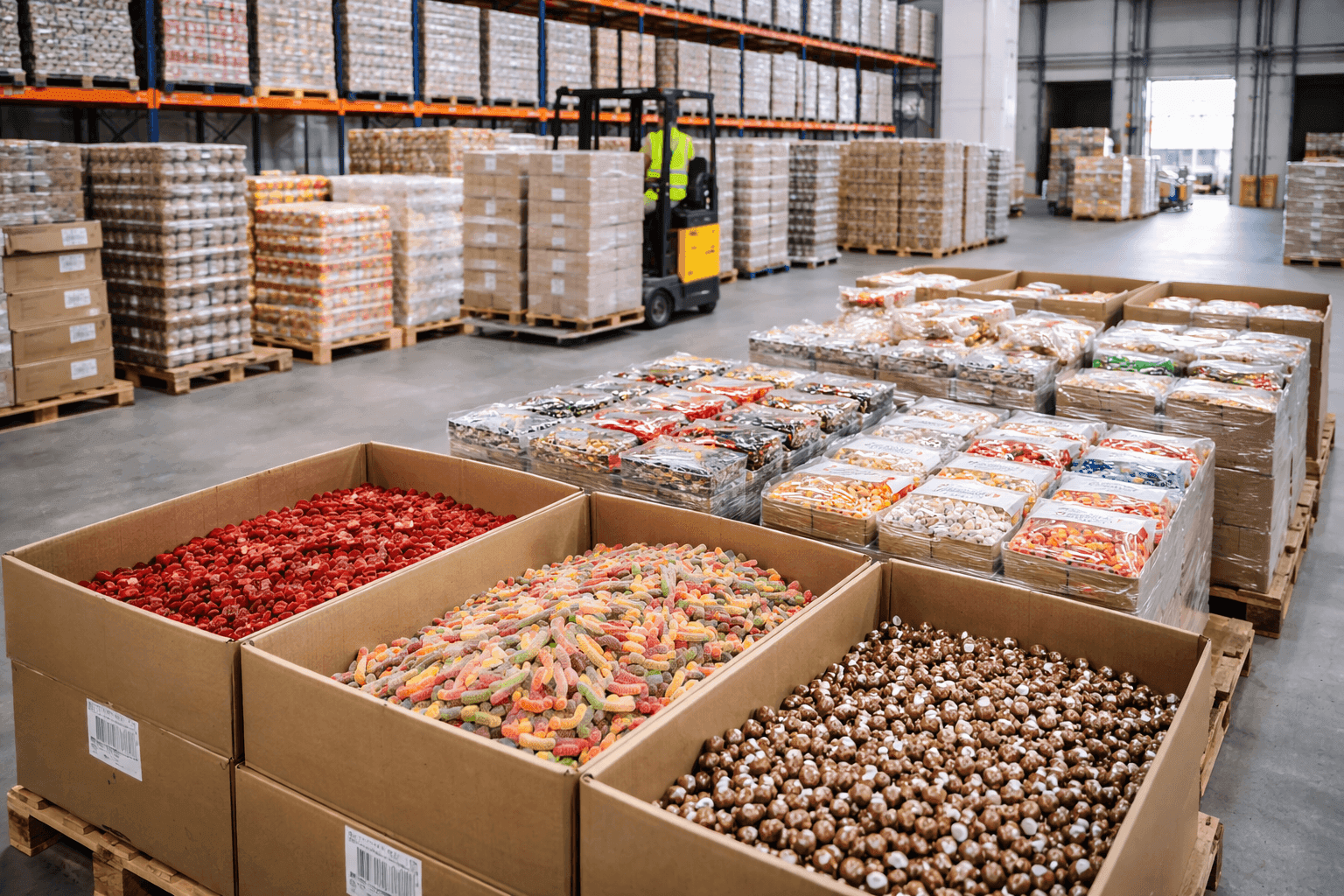
Reselling established brands requires relatively little upfront brand-building investment — the product's recognition does the selling, and sourcing is mainly about securing reliable supply and competitive pricing, often through authorized distributors. Private label requires more upfront work (developing packaging and brand identity, usually higher MOQs from a white-label manufacturer, and building recognition from zero) but captures margin and brand equity a reseller model doesn't — the trade-off is more work and risk upfront for better long-term economics and defensibility.
Margin Differences Between the Two Models
Reselling established brands typically means thinner margins, since the brand's recognizable value is already priced in and price comparison against other resellers of the same product is easy for customers to do. Private label allows genuinely differentiated pricing since there's no direct product comparison possible — a private-label product's price is judged on its own packaging, positioning, and perceived quality, not against a dozen other sellers of the identical branded item, which is where the real margin advantage comes from.

What Private Label Actually Requires From a Supplier
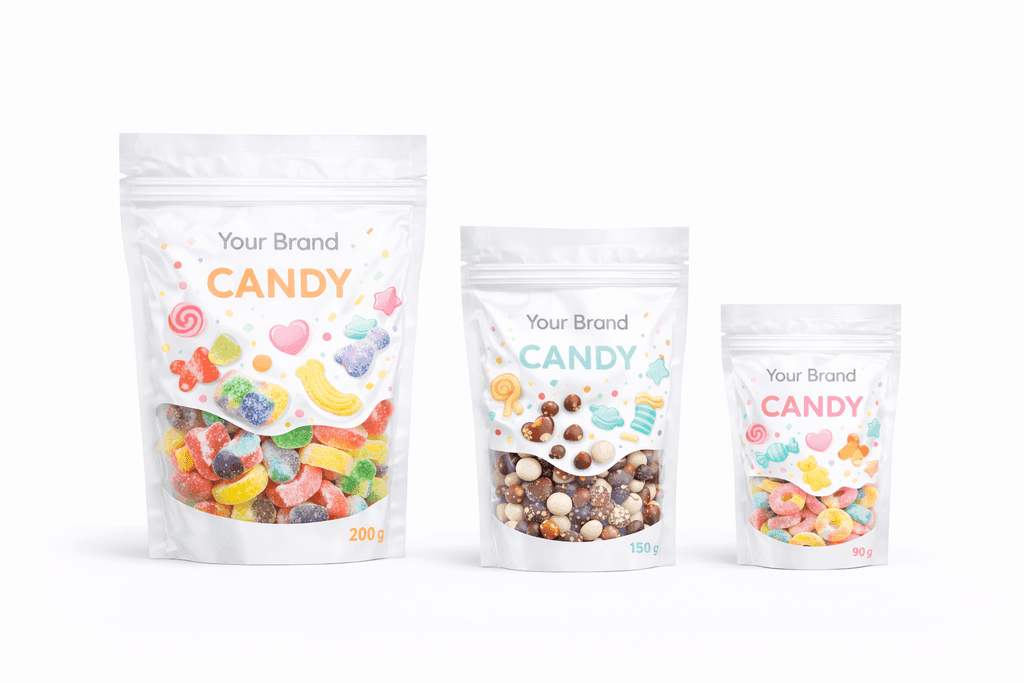
White-label/private-label candy sourcing requires a manufacturer willing to produce under your packaging and branding rather than their own — confirm MOQ, packaging customization lead time, and whether the manufacturer also supplies the exact same underlying product to competitors under different labels (common in white-label manufacturing, and worth knowing since it affects how differentiated your 'private label' product actually is beyond the packaging).
A Realistic Hybrid Path
Many sellers start by reselling established brands to build initial sales volume and market knowledge with lower upfront risk, then introduce private-label products alongside established brands once they understand their customer base and have validated demand — this hybrid approach spreads the private-label investment risk across a business that already has some revenue and customer insight, rather than betting entirely on an unproven private-label brand from day one.
FAQ
Frequently asked questions
Private label typically yields better margin over time, since there's no direct price comparison against other resellers of the identical product — but it requires more upfront investment (packaging, brand-building, usually higher MOQs) than reselling, which trades lower margin for lower upfront risk and effort.
Not safely without checking — many established brands restrict or monitor unauthorized resale, and platforms can suspend sellers for unauthorized brand sales even with genuine product. Confirm authorized-reseller status with the brand or an authorized distributor first.
MOQ, packaging customization lead time, and whether they supply the same underlying product to competitors under different labels — common in white-label manufacturing, and it affects how differentiated your product actually is beyond the packaging.
Many sellers start by reselling established brands to build initial volume and market knowledge with lower risk, then introduce private-label products once they understand their customer base and have validated demand — a hybrid path that spreads private-label risk across a business with some existing revenue.
Ready to get started?
Contact our team to discuss volumes, pricing, and supply structures for your market.