Running a Candy Dropshipping Operation: Supplier Vetting & Order Flow
Once you've decided dropshipping fits your business (see our dropshipping vs. bulk-buying comparison), running it well comes down to operational mechanics most general dropshipping guides don't cover for food products specifically: vetting a supplier's actual fulfillment reliability, setting up order automation correctly, and knowing who's actually responsible when a customer complaint comes in.
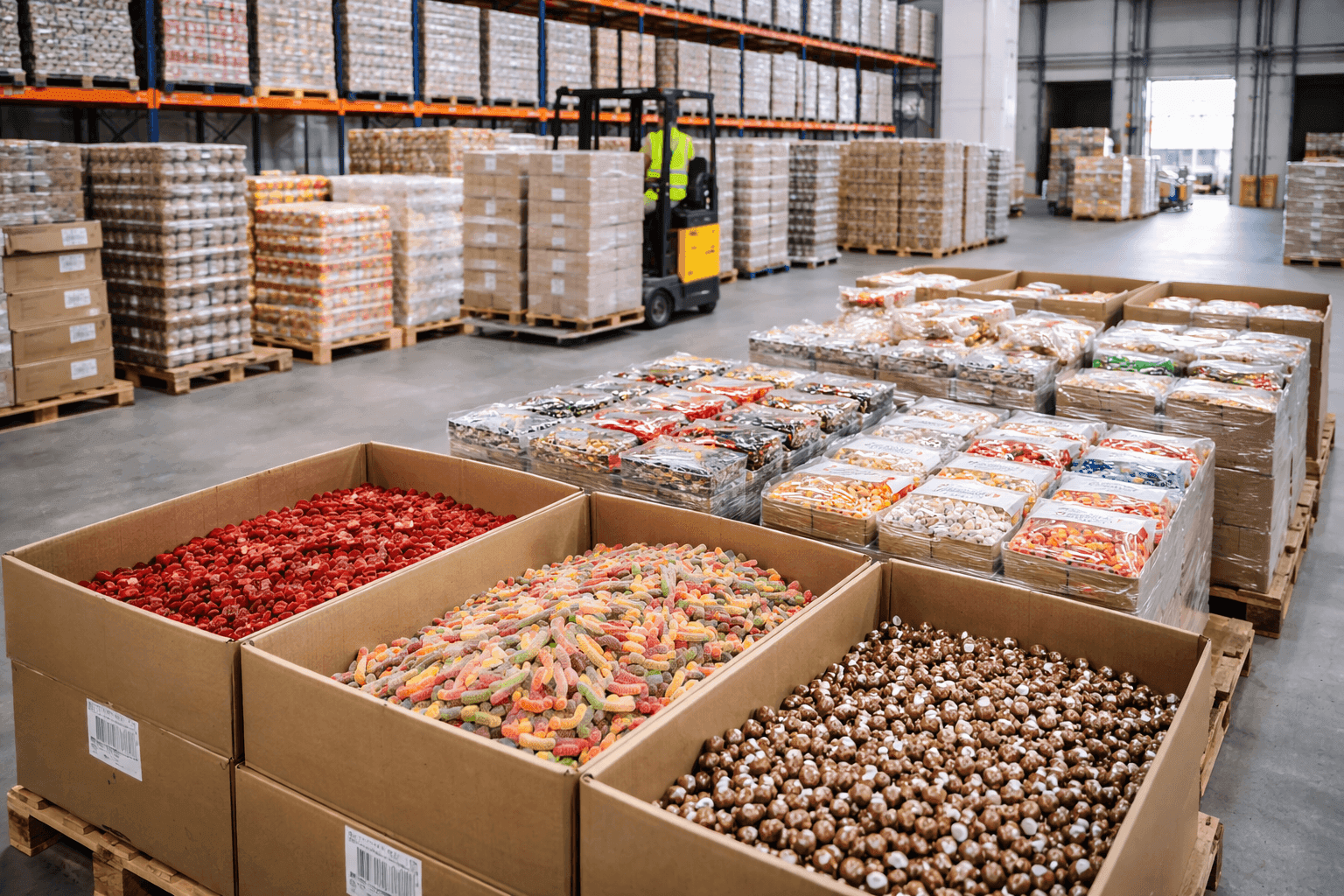
Vetting a Dropship Supplier's Fulfillment Reliability
For a standard wholesale relationship, product quality is the main vetting concern; for dropshipping, fulfillment speed and packaging consistency matter just as much, since the supplier is your customer-facing fulfillment operation whether you present it that way or not. Before committing, place a test order as if you were a customer — evaluate actual ship time, packaging condition on arrival, and whether the product matches what was represented, since this is the exact experience your real customers will have.
Order Automation: Where Candy Dropshipping Gets Tricky
Standard dropship order automation (API integration between your storefront and supplier) works the same for candy as any product, but food-specific complications need explicit handling: temperature-sensitive items may need seasonal shipping holds or surcharges built into automation logic, and allergen/ingredient information needs to sync accurately between your listing and what the supplier actually ships, since a mismatch here is a food-safety liability, not just a customer-service annoyance.

Who Owns Customer Service When Something Goes Wrong
Even though the supplier physically fulfills the order, the customer relationship is yours — a customer receiving melted or damaged candy contacts your store, not the supplier, and how quickly and fairly that's resolved reflects on your brand regardless of whose fulfillment error caused it. Establish clear internal policy upfront for handling quality complaints (refund/reship criteria, timeline) rather than improvising case by case, and have an explicit agreement with your supplier about how fulfillment-fault issues get resolved between you two behind the scenes.
Managing Multiple Dropship Suppliers Without Chaos
As a dropship catalog grows, coordinating multiple suppliers behind a single storefront creates real operational complexity — inconsistent shipping times across suppliers, different packaging standards, and customers receiving multi-supplier orders as separate, confusingly-timed shipments without explanation. Set customer expectations explicitly (clear shipping-time ranges per product, split-shipment notifications) rather than letting supplier-side inconsistency surface as an unexplained customer experience problem.
When to Graduate a Product Out of Dropshipping
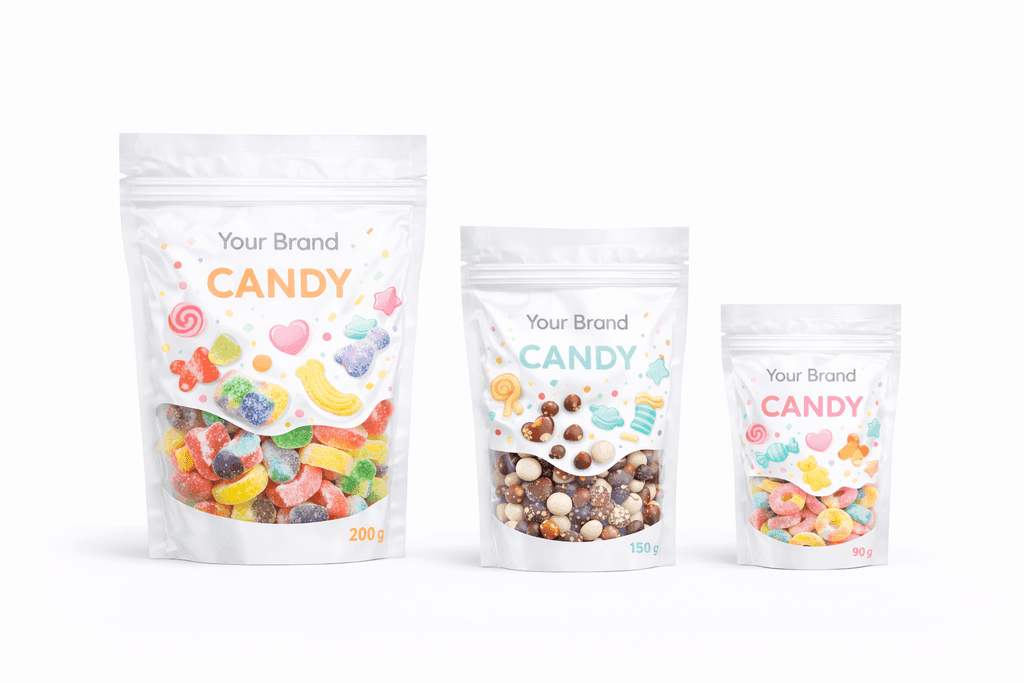
Track dropshipped SKUs for return rate, complaint rate, and actual delivered condition over time — a product with a validated sales history but a persistently higher complaint rate than your bulk-stocked items is a signal that supplier-side quality or packaging issues are real, not anecdotal, and it's a candidate to either switch dropship suppliers or graduate to bulk buying where you control quality directly before it ships.
FAQ
Frequently asked questions
Place a test order as if you were a real customer and evaluate actual ship time, packaging condition on arrival, and whether the product matches its listing — this is the exact experience your customers will have, so it's the most reliable vetting method.
Yes — allergen and ingredient information needs to sync accurately between your storefront listing and what the supplier actually ships. A mismatch here is a food-safety liability, not just a customer-service issue, and needs explicit attention in your automation setup.
You are, from the customer's perspective — they contact your store, not the supplier. Establish clear internal refund/reship policy upfront, plus a separate agreement with your supplier for how fulfillment-fault costs get resolved between you two.
When a product has a validated sales history but a persistently higher complaint or return rate than your bulk-stocked items — that's a signal of real supplier-side quality issues, and a candidate for switching suppliers or bringing it in-house to bulk stock.
Ready to get started?
Contact our team to discuss volumes, pricing, and supply structures for your market.