ROI Calculator for Candy Retail Investments
Candy retail investments (a new display fixture, a POS upgrade, an expanded assortment) have a genuinely fast payback window compared to most retail categories, because candy's turnover rate is high and the capital required per investment is typically modest.
 By Rikard Kunsinsh, Candora TradingPublished April 18, 2026
The Basic ROI Formula for Candy Retail Investments
ROI for a candy retail investment is (incremental gross margin generated minus the investment cost) divided by the investment cost, measured over a defined period — the key variable that differs from general retail is the period itself: candy's fast turnover means a 3-6 month measurement window is usually enough to see a real result, versus 12+ months needed for slower-turning categories.
Display Fixture Investments
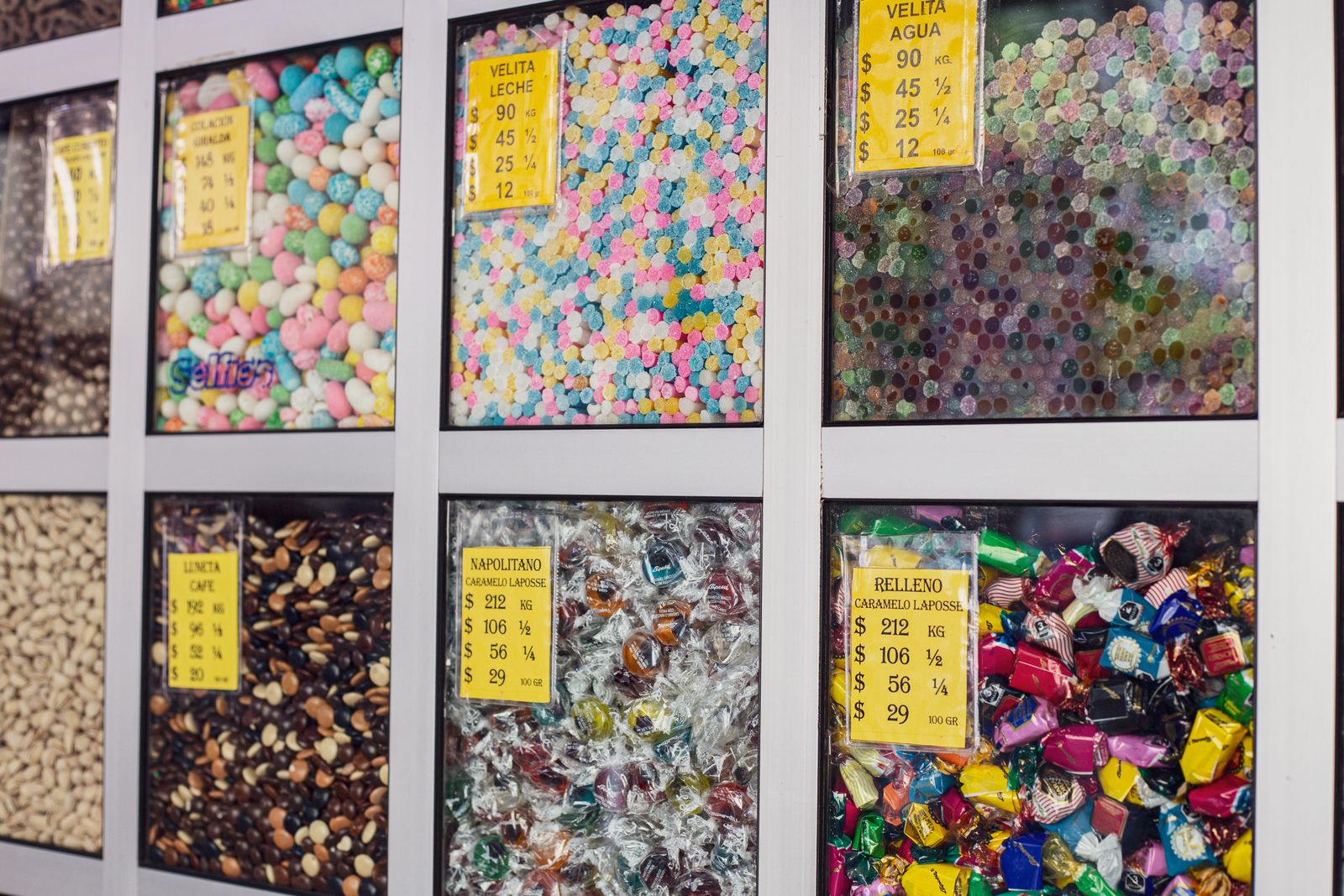
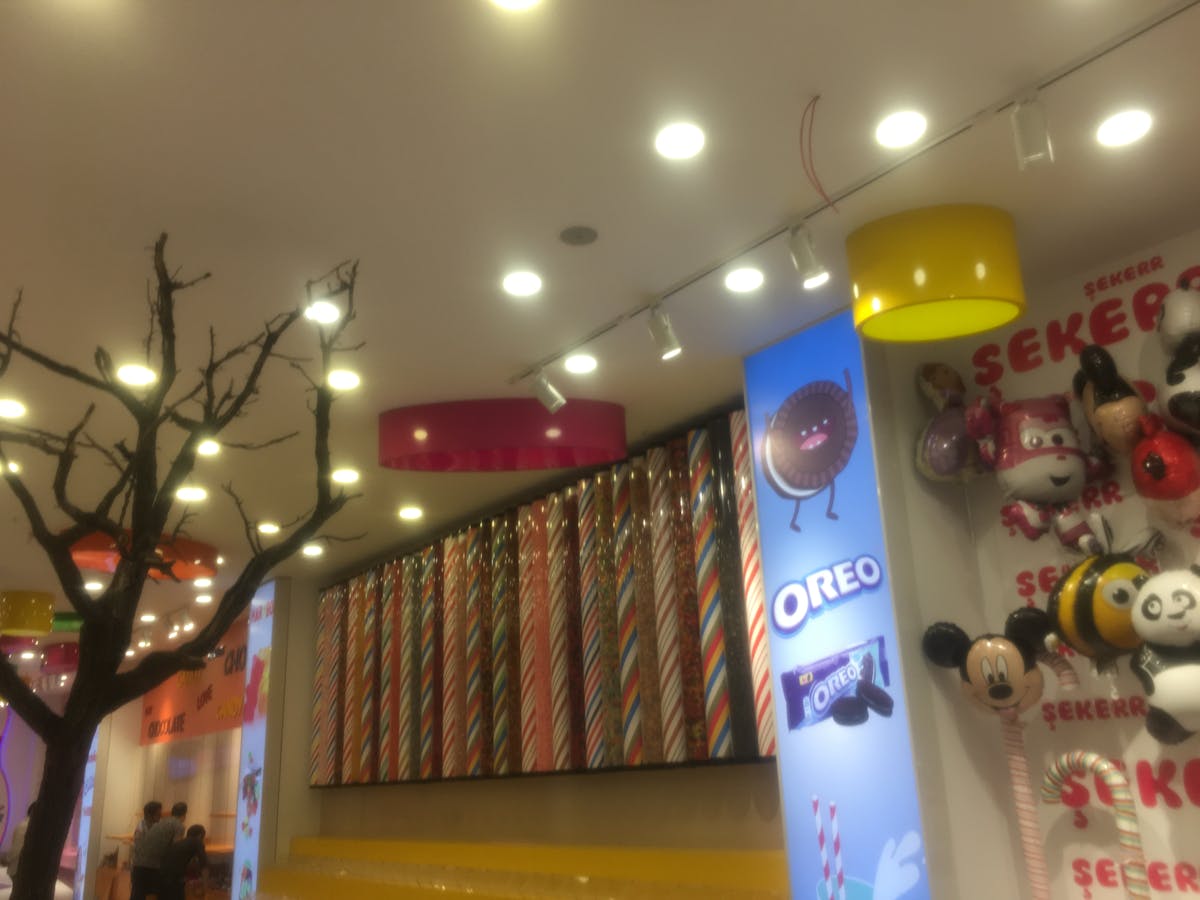
A new or upgraded display fixture (better lighting, wider facings, an impulse-zone insert) typically costs $200-$2,000 depending on scale, and payback is measured against the sell-through lift on the specific SKUs the fixture affects — because candy fixtures are relatively cheap and turnover is fast, payback periods of 1-3 months are common for a well-targeted fixture change.
Assortment Expansion Investments
Adding new SKUs to a candy assortment has a real cost (initial inventory purchase, shelf space reallocation from existing SKUs) that's often underestimated because shelf space isn't free — the ROI calculation needs to account for the sales lost from whatever SKU lost its facing to make room, not just the new SKU's standalone performance.
POS and Technology Investments
Technology investments (a new POS system, inventory software) have a longer, less category-specific payback than display or assortment investments — the ROI here comes mainly from labor time saved and shrinkage reduction rather than direct sales lift, and typically takes 6-12 months to show clearly regardless of category.

Building a Simple Calculator
A minimal working model needs three inputs: investment cost, expected monthly incremental gross margin (from sell-through lift or cost savings), and a target payback period — months-to-payback is investment cost divided by monthly incremental margin, and any investment exceeding roughly 6 months payback for a display/assortment change (or 12 months for a technology change) warrants closer scrutiny before committing.
FAQ
Frequently asked questions
Candy's high turnover rate and typically modest capital cost per investment (a fixture, an assortment change) combine to produce a faster measurable result — often 1-3 months for display changes, versus much longer for slower-turning categories.
The sales lost from whatever existing SKU had to give up shelf space to make room for the new item — shelf space isn't free, and the ROI calculation needs to net out that displaced performance, not just measure the new SKU standalone.
Ready to get started?
Contact our team to discuss volumes, pricing, and supply structures for your market.
Related