Pricing Strategy for Candy Retail
Candy pricing sits at the intersection of two conflicting pressures: it's frequently an impulse purchase where price sensitivity is genuinely lower, but it's also a category customers price-compare easily because reference prices (a standard chocolate bar, a bag of a well-known brand) are widely known.
 By Rikard Kunsinsh, Candora TradingPublished April 18, 2026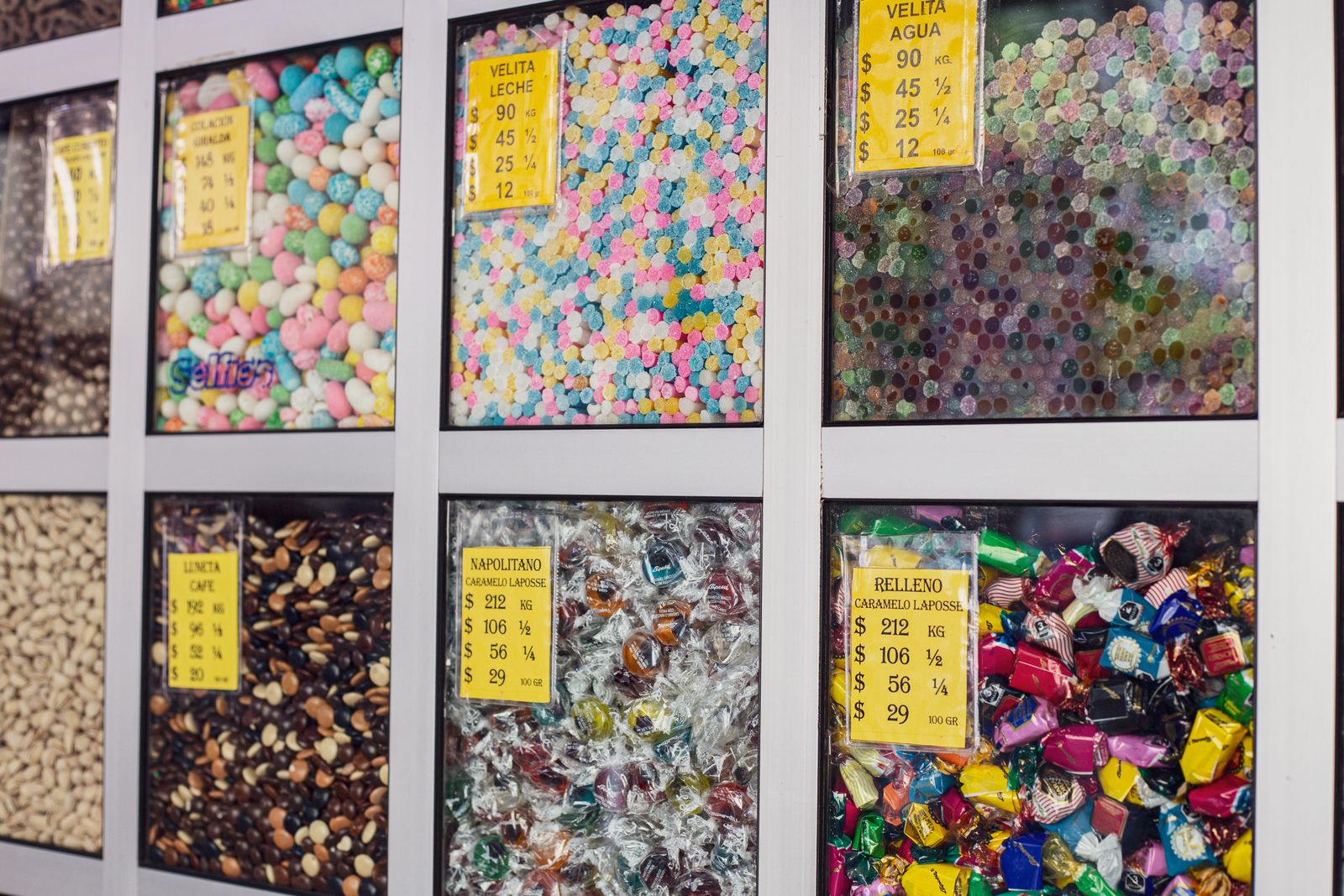
Branded vs. Private-Label Pricing Logic
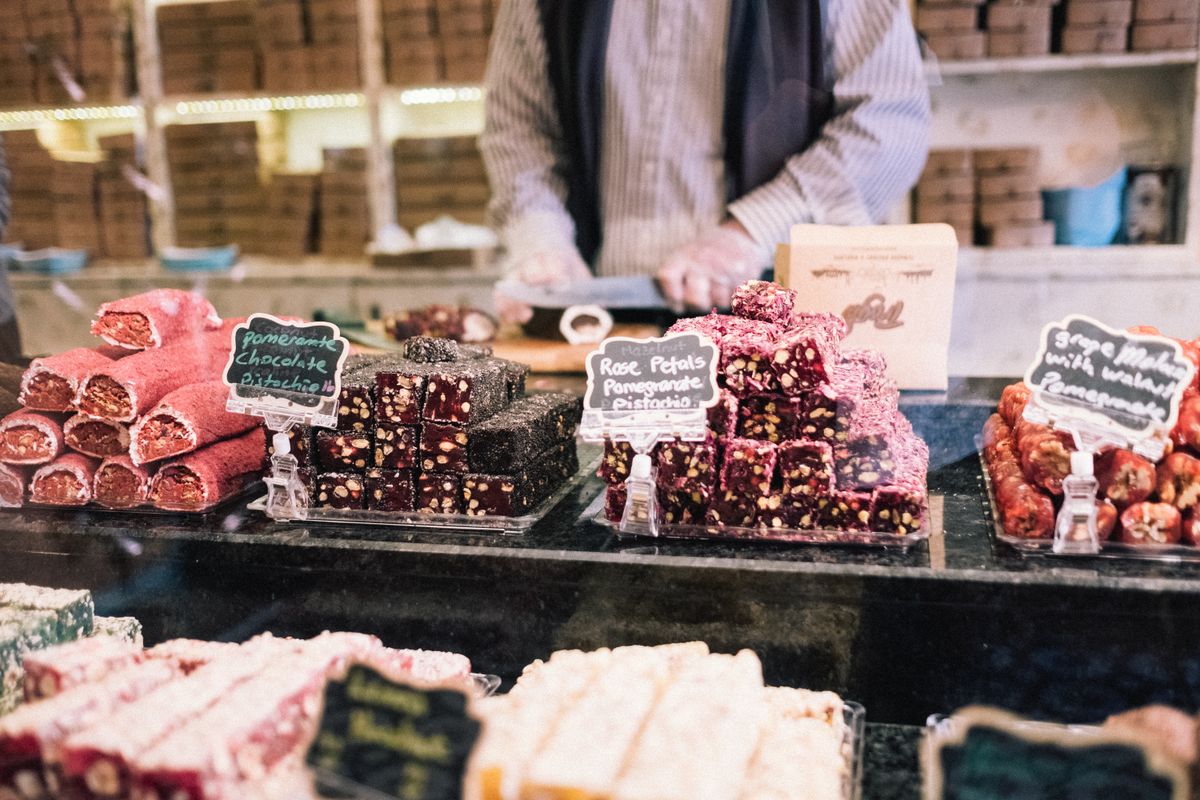
Nationally branded candy has a widely known reference price that limits pricing flexibility — customers notice a markup on a familiar brand more readily than on an unfamiliar item. Private-label and bulk/loose candy carry no comparable reference price in the customer's mind, which is where genuine margin flexibility exists in a candy assortment.
Impulse Placement and Price Elasticity
Candy placed at checkout or other impulse locations shows measurably lower price elasticity than the same item placed in a dedicated candy aisle, because the purchase decision is less deliberate — this is a real, exploitable difference, not just a merchandising convention, and it means impulse-placed items can often support a modest premium over aisle pricing for the identical SKU.
Bulk and By-Weight Pricing Structures
Loose or bulk candy sold by weight allows finer price discrimination than fixed-package pricing — a per-unit-weight price lets a retailer capture more value from customers who would pay more per item without needing a separate premium SKU, though it requires a scale-integrated POS system to execute cleanly.
Seasonal Price Timing
Seasonal candy (Halloween, Valentine's, Easter) follows a predictable price curve: full price in the weeks before the occasion, markdown beginning the day after, and steep clearance within a week or two after — pricing strategy for seasonal candy is really markdown-timing strategy, since the sell-through window is short and compressed by definition.

Margin Targets by Assortment Tier
A reasonable starting framework: branded candy at 30-45% gross margin (limited by reference-price sensitivity), private-label and bulk candy at 50-65% gross margin (limited mainly by what the format can bear), and impulse-placed items at the higher end of whichever tier they fall into, reflecting the reduced price sensitivity at point of impulse purchase.
FAQ
Frequently asked questions
Branded candy has a widely known reference price customers compare against, so a markup is noticeable. Private-label and bulk candy have no comparable reference price in the customer's mind, which is where real margin flexibility exists.
Yes — impulse-placed candy shows measurably lower price elasticity because the purchase decision is less deliberate, which can support a modest premium over identical SKUs merchandised in a dedicated candy aisle.
Ready to get started?
Contact our team to discuss volumes, pricing, and supply structures for your market.
Related