Halal Certified Candy Wholesale: Complete Sourcing & Certification Guide
Halal certified confectionery is one of the fastest-growing specialty candy segments globally, driven by Muslim population growth, increasing affluence in Middle East and South Asia, and mainstream retail expansion in Europe and North America. The global halal candy market is estimated at €1.5–2.0 billion annually and growing 8–12% CAGR. For candy suppliers and retailers, halal certification represents market access to high-growth regions, premium pricing power, and differentiation from competitors.
 By Rikard Kunsinsh, Candora TradingPublished April 17, 2026Updated April 23, 2026
Understanding Halal: What It Means for Candy
Halal is an Islamic law principle meaning "permitted" or "lawful." For candy, halal certification ensures products comply with Islamic dietary requirements. This is not a regional preference—it is a religious law requirement for practicing Muslims (1.8 billion globally, 25% of world population).
Core Halal Requirements for Candy: 1. No prohibited ingredients: No pork, pork by-products (gelatin from pigs), alcohol, or alcohol-derived ingredients 2. No cross-contamination: Facilities must be segregated from non-halal production (or thoroughly cleaned between runs) 3. Ingredient sourcing: All sub-ingredients must be halal-certified (gelatin source, emulsifiers, flavorings, colorants) 4. Certification body recognition: Certification must come from a body recognized in the target market
Common non-halal ingredients in candy: Pork gelatin (in gummies/jelly candy), carmine red (E120, from insects), alcohol-based flavors, animal-derived glycerin.
Halal Certification: Types, Bodies & Requirements
Halal certification is region-specific—no global standard exists. Different countries/regions recognize different certifying bodies.
Major certifying bodies by market:
- UAE/GCC: ESMA (Emirates Authority), JAFZA-recognized bodies
- Malaysia: JAKIM (Jabatan Kemajuan Islam Malaysia) — gold standard in Asia
- Indonesia: MUI (Majelis Ulama Indonesia) — required for Indonesian market
- UK/Europe: HFA (Halal Food Authority), HMC, IFANCA-Europe
- USA: IFANCA, ISNA, HFSAA
Certification process: 1. Ingredient audit: all sub-ingredients reviewed and approved 2. Factory audit: facility inspection, process review 3. Lab testing: product samples tested 4. Certificate issuance: typically 3–6 months first time 5. Annual renewal: ongoing audits + lab testing
Cost: €3,000–15,000 first year for 5 SKUs. Annual renewal: €1,500–5,000.

Key Markets for Halal Candy & Their Requirements
Each major halal candy market has distinct requirements. Matching certification to market is critical.
UAE & GCC (Saudi Arabia, Kuwait, Qatar, Bahrain, Oman):
- ESMA certification required or JAFZA-recognized body
- Arabic labeling mandatory
- SFDA registration needed for Saudi Arabia
- Market size: €400–500M annually
Malaysia & Indonesia:
- JAKIM (Malaysia) and MUI (Indonesia) are mandatory—not optional
- No other certification accepted
- Combined market: 320+ million Muslim consumers
UK & Europe:
- HFA or HMC preferred by UK Muslim consumers
- European Muslim population: 25+ million
- Mainstream retailers (Tesco, Asda, Sainsbury's) stock halal confectionery
USA:
- IFANCA most widely recognized
- Growing halal aisle in Walmart, Costco, specialty retailers
Halal-Compatible Candy Formats & Ingredients
Not all candy is equal from a halal compliance perspective. Some formats are naturally easier to certify.
Naturally halal-friendly formats:
- Hard candy (no gelatin, typically fruit-based)
- Fruit chews (if no pork gelatin)
- Chocolate (if no alcohol-based flavors)
- Sour candy (if no animal-derived acids)
Formats requiring ingredient substitution:
- Gummies/jelly candy: Must use fish gelatin or pectin (not pork gelatin)
- Marshmallows: Must use halal-certified gelatin
- Soft candy with colorants: Must replace carmine (E120) with plant-based alternatives
Ingredient alternatives:
- Gelatin → Fish gelatin, beef gelatin (halal-certified), pectin, carrageenan, agar
- Carmine → Anthocyanins (plant-based red), beet juice concentrate
- Alcohol flavors → Non-alcohol based flavor equivalents
Candora's approach: We source from European factories with JAKIM, HFA, and ESMA-recognized certifications.
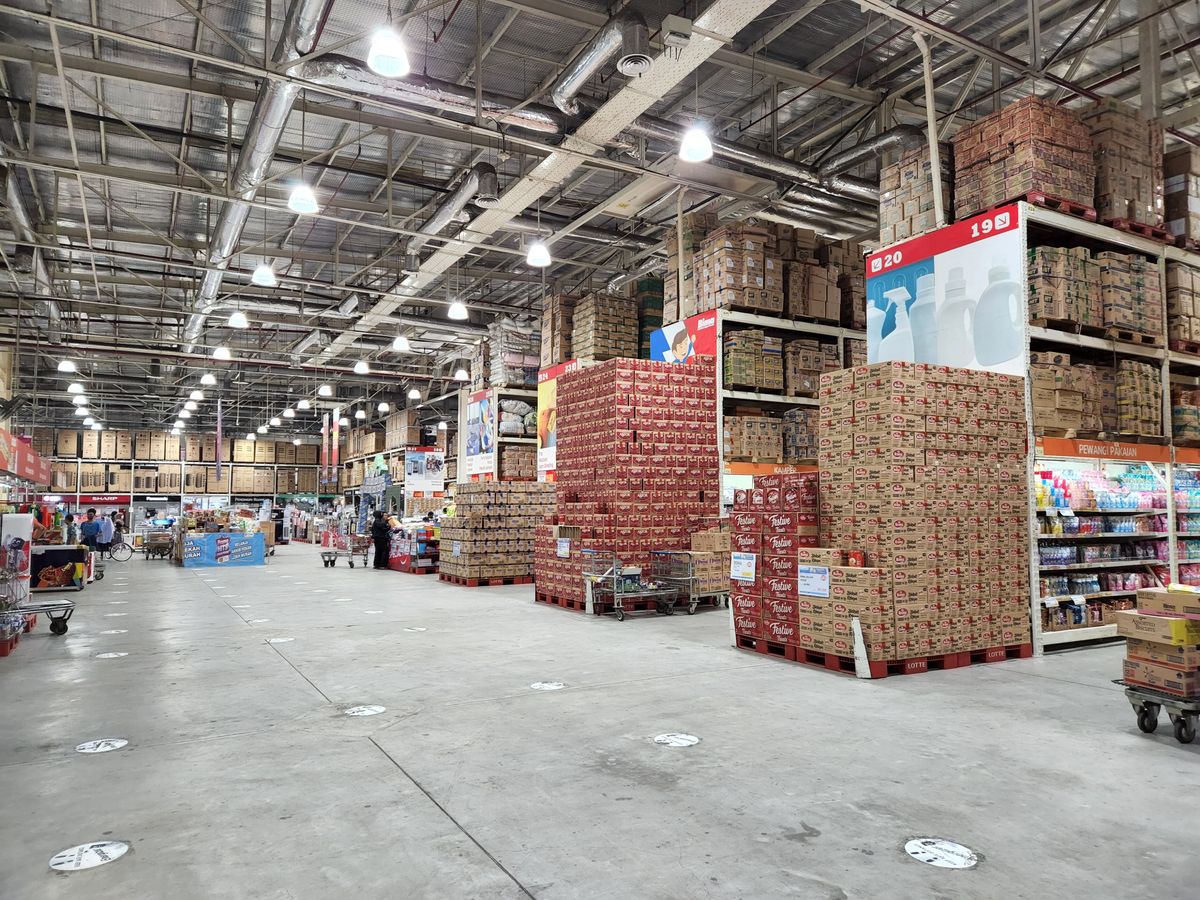
Channel Strategy: Selling Halal Candy
Halal candy opens specific retail and distribution channels unavailable to non-certified suppliers.
Retail channels:
- Mainstream supermarkets with halal sections (UK: Tesco, Asda, Morrisons)
- Specialist halal retailers and ethnic food stores
- Online halal marketplaces
- Middle East modern trade (Carrefour UAE, LuLu Hypermarket)
Distribution partnerships:
- JAFZA-based UAE distributors for GCC distribution
- Malaysian/Indonesian importers for SEA halal markets
- UK halal wholesale distributors
Pricing premium: Halal-certified candy commands 10–20% price premium over non-certified equivalents in halal-conscious markets. Premium justified by certification investment and market access.
FAQ
Frequently asked questions
Key ingredients must comply with Islamic law: no pork/pork by-products (gelatin source critical), no alcohol, no cross-contamination with non-halal products. Gelatin from fish or plants is halal; gelatin from pigs is forbidden. Products must be certified by recognized Islamic bodies.
Initial certification: €500–3,000 depending on certifying body and product complexity. Annual audits: €300–1,000. Lab testing: €200–800 per product. Total investment for 5 SKUs: €3,000–15,000 first year. ROI typically achieved within 6–12 months.
Ready to get started?
Contact our team to discuss volumes, pricing, and supply structures for your market.
Related
Explore more

Halal & Specialty
Halal Candy Wholesale: Sourcing Guide for Middle East and Southeast Asian Markets
Regional
Candy Supplier UAE: European Confectionery for the Gulf Market

Regional
Candy Supplier Malaysia: Sourcing Jelly, Sour, and Gummy Candy for the Malaysian Market

Specialty
Functional Gummy Sourcing North America: Health & Wellness Trend

Specialty
Sugar-Free & Keto Candy Wholesale: Sourcing Guide for Health-Conscious Retailers