Candy Supplier Malaysia: Sourcing Jelly, Sour, and Gummy Candy for the Malaysian Market
Malaysia is a high-growth market for European confectionery imports. Rising middle-class incomes, a young consumer base, and the expansion of modern trade across Peninsular Malaysia and East Malaysia are driving demand for premium jelly candy, sour candy, and gummy candy from European wholesale suppliers. This guide covers what Malaysian buyers need from a candy supplier, how Halal certification affects sourcing decisions, and how Candora Trading supports Malaysian distributors and retail buyers.
 By Rikard Kunsinsh, Candora TradingPublished April 4, 2026Updated April 15, 2026
The Malaysian Confectionery Market
Malaysia's confectionery sector is growing steadily, with modern trade channels — hypermarkets, supermarkets, minimarkets, and convenience stores — driving the majority of category volume. International candy brands and European confectionery wholesale imports are increasingly visible in premium retail environments including AEON, Lotus's, and specialty food retailers. Malaysian consumers respond strongly to impulse confectionery formats — particularly jelly candy, gummy candy, pick and mix, and sour candy. TikTok and social media have accelerated interest in Swedish candy and Nordic confectionery among younger Malaysian shoppers. Malaysia is also a key gateway for candy distribution across Southeast Asia, with distributors regularly supplying secondary markets in Brunei, Indonesia, and other ASEAN markets.
Halal Certification for the Malaysian Market
Malaysia has one of the most rigorous Halal certification frameworks in Southeast Asia. JAKIM (the Department of Islamic Development Malaysia) certification is the gold standard, and many Malaysian retail buyers require JAKIM or equivalent Halal documentation for all confectionery imports. For jelly candy and gummy candy, gelatin source is the critical compliance factor. All product supplied by Candora Trading for the Malaysian market uses Halal-certified gelatin and comes with full certification documentation. We work with buyers to ensure labelling meets KPDNHEP import requirements.

What Malaysian Candy Buyers Look For
European candy wholesale commands a premium in Malaysian retail. Buyers use origin — Sweden, Germany, Netherlands — as a quality and safety signal. Swedish candy and Nordic confectionery carry particular appeal in premium channels. This positioning supports stronger shelf pricing and higher category margins versus Chinese-manufactured candy alternatives. Malaysian category managers look for suppliers who can offer a broad range — jelly candy, sour candy, gummy bears, sour belts, foam shapes — from a single source. Private label candy is a growing priority for Malaysian supermarket chains looking to build own-brand confectionery ranges at competitive margins. Sea freight from European candy suppliers to Malaysian ports (Port Klang, Penang) runs approximately 25–30 days. Total lead time including production is typically 8–12 weeks. Malaysian buyers should plan seasonal builds — particularly for Chinese New Year and Hari Raya — well in advance.
Best-Performing Candy Formats in Malaysia
Jelly candy leads volume in Malaysian confectionery — jelly bears, cola bottles, jelly worms, and foam shapes are consistent sellers across modern trade. Sour candy is the fastest-growing sub-segment, with sour gummies, sour belts, and sour worms gaining shelf space in urban retail. Pick and mix wholesale formats are growing in premium hypermarkets and specialty retailers. Gummy candy bulk formats perform well in independent retail and online channels.
Have questions before you keep reading?
Get pricing, MOQs and lead times for your market.
Pricing, MOQ and Container Programmes
At Candora Trading, our pricing structure is designed to ensure that retailers and distributors benefit from competitive rates without compromising on quality. Container programs start from palletised quantities for pilot programs, with standard orders typically measured in 20ft or 40ft FCL containers. We offer flexible options tailored to meet the specific needs of our clients, ensuring cost-effectiveness and efficiency. Our MOQs are structured to accommodate both new entrants and established players. For initial assessments and small-scale testing, we can work with as little as a single palletised quantity. Larger orders, such as those required by retail chains and distributors, benefit from economies of scale, making our standard container programmes highly attractive. This approach not only minimizes upfront costs but also streamlines inventory management. Candora Trading prides itself on providing transparent pricing models that align with the evolving needs of the Malaysian market. By working directly with European factories, we eliminate middlemen and pass on significant cost savings to our clients. Our lead times range from 4 to 8 weeks from order confirmation, ensuring timely delivery without compromising on quality or freshness.
Lead Times, Logistics and Shipping
Lead times for Candora Trading’s Malaysia orders are typically between four to eight weeks from order confirmation, ensuring a swift yet reliable delivery process. Our direct relationships with European factories eliminate middlemen, streamlining logistics and reducing potential delays. For larger container programs, we recommend standard 20ft or 40ft FCL containers, starting from palletised quantities for pilot programs. This approach allows us to maintain control over the supply chain while ensuring efficient distribution of your inventory in Malaysia.
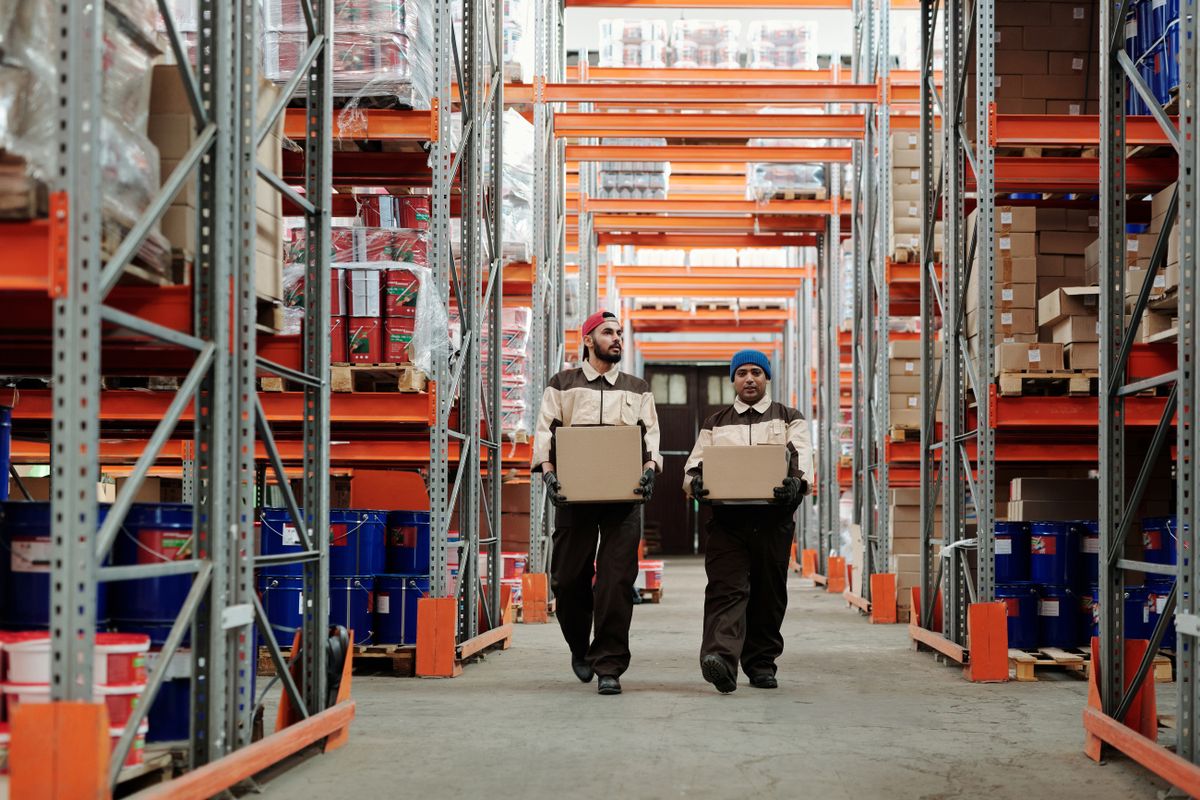
How to Choose the Right Wholesale Candy Supplier
For the Malaysian market, halal vetting should be the first filter, not an afterthought. Ask specifically whether the supplier's halal certification is issued or recognised by JAKIM (the Department of Islamic Development Malaysia) — this is the standard many Malaysian retail buyers require, and certification from a body without JAKIM recognition can be rejected at the retail listing stage even if it's valid elsewhere. Request the certificate directly and confirm it covers the specific SKUs you intend to import, since certification is often granted per product line or production run rather than blanket across a factory.
Beyond halal status, check for general food safety accreditation (BRC, IFS, or FSSC 22000) and ask how gelatin source is documented and traced through production — this is the detail that most often causes halal claims to fail scrutiny. Request samples and test them against Malaysia's tropical storage and transit conditions before committing to volume.
Look for suppliers with a track record exporting into Malaysia specifically, since familiarity with KPDNHEP labelling requirements (Bahasa Malaysia and English) and Port Klang import procedures saves real time at clearance. Ask for CoAs and allergen declarations as standard practice, and use the sourcing conversation itself as a test — a supplier able to answer detailed JAKIM and labelling questions confidently is one who has actually done this before.
FAQ
Frequently asked questions
Yes. All jelly candy, gummy candy, and sour candy supplied to Malaysia is Halal certified with full documentation. We support buyers with certification paperwork for import clearance.
We work with both distribution partners and direct retail accounts in Malaysia. Contact us to discuss the right supply structure for your business.
Jelly candy and gummy candy lead volume, with sour candy growing fast. We can provide format recommendations based on your specific channel and customer profile.
Ready to get started?
Contact our team to discuss volumes, pricing, and supply structures for your market.
Related
Explore more
Regional
Candy Supplier Southeast Asia: How European Confectionery Is Winning in Modern Trade

Halal & Specialty
Halal Candy Wholesale: Sourcing Guide for Middle East and Southeast Asian Markets
Regional
Candy Supplier Saudi Arabia: Sourcing Jelly and Sour Candy for the Saudi Market
Jelly Candy
Jelly Candy Supplier: What B2B Buyers Need to Know About Sourcing Jelly Candy at Volume