Ecuador Coffee Wholesale: Sourcing Highland Arabica and Amazon Robusta
Ecuador is a smaller, less internationally recognised coffee origin than its Andean neighbours Colombia and Peru — but it offers something unusual: both high-quality highland Arabica and genuine Amazon-basin Robusta from the same country, plus a small but growing niche of ultra-premium Galápagos Islands coffee. For roasters and importers looking for a differentiated origin story, or Robusta buyers wanting an alternative to Vietnamese and Ugandan supply, Ecuadorian coffee wholesale is worth a closer look. Candora Trading sources Ecuadorian green coffee from vetted exporters covering both highland Arabica and Amazon Robusta regions, with programmes structured from pallet-level pilot orders through to full container shipments out of Guayaquil.
Ecuador Coffee: Origin Profile
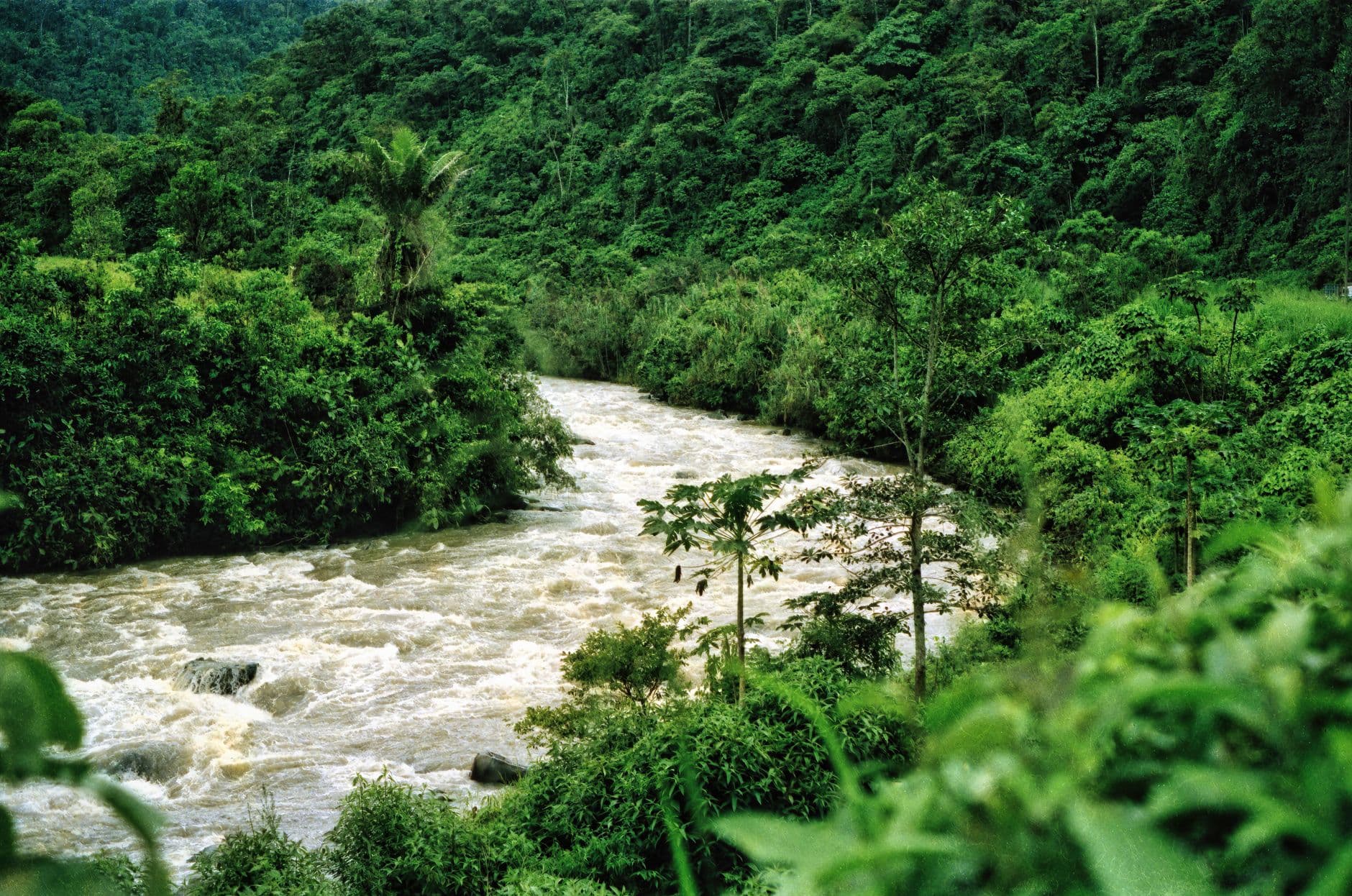
Ecuador is unusual among Latin American origins in producing meaningful volumes of both Arabica and Robusta. Highland Arabica is grown in the southern provinces of Loja and Zamora-Chinchipe, bordering Peru, at altitudes up to 2,000m, producing sweet, well-balanced cups with citrus and stone-fruit notes broadly comparable to northern Peruvian coffee given the shared border geography. Manabí, on the coast, adds a smaller Arabica-growing zone. Robusta, meanwhile, is grown in the Amazon basin provinces of Sucumbíos and Orellana — genuine rainforest-grown Robusta, distinct from the plantation-style Robusta of Vietnam or Uganda, with a fuller, less harsh cup profile that some blenders specifically seek out. A small, ultra-premium single-origin Arabica is also grown on the Galápagos Islands, sold almost exclusively into specialty and gift channels given its extremely limited volume.
Ecuador Coffee Wholesale Market
Ecuador's coffee export volume is modest by regional standards — roughly 500,000–700,000 60kg bags annually across both Arabica and Robusta — which keeps it a lower-profile, higher-differentiation origin rather than a bulk commodity source. This smaller scale means less price-benchmark liquidity than Colombia or Brazil, but it also means buyers sourcing Ecuadorian coffee are typically doing so for a specific story or profile rather than pure cost efficiency, and pricing conversations tend to be lot-specific rather than benchmark-driven.
Grading & Quality Standards for Ecuadorian Coffee
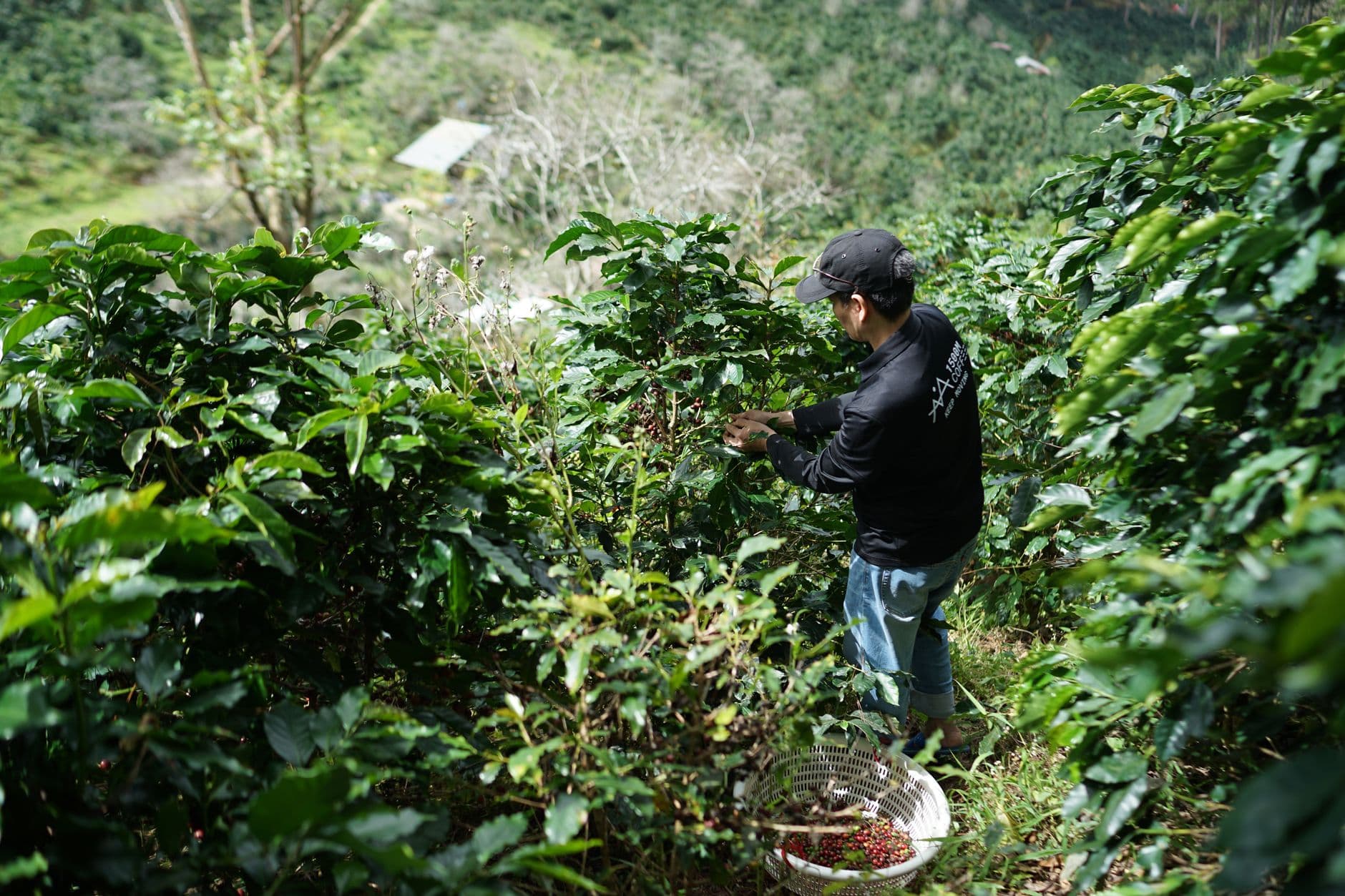
Ecuadorian Arabica is graded by altitude and screen size following conventions similar to Peru and Colombia, with highland Loja and Zamora-Chinchipe lots typically qualifying for premium classification given their elevation. Robusta from the Amazon basin is graded by screen size and defect count on standard Robusta conventions. Because Ecuador is a smaller, less standardised export market than its neighbours, lot-by-lot cupping and verification matters more here than in origins with mature national grading infrastructure — Candora Trading verifies quality against buyer specification on every lot before shipment rather than relying solely on nominal grade classification.
Sourcing Ecuadorian Coffee Wholesale: Your Options
Given Ecuador's smaller export scale, sourcing typically runs through a limited number of established exporters who consolidate lots from the southern highland cooperatives (for Arabica) or Amazon-basin producer associations (for Robusta). Direct farm relationships are possible but require meaningful in-country coordination given the smaller, more dispersed producer base compared to larger origins. Candora Trading works with vetted Ecuadorian exporters across both the highland Arabica and Amazon Robusta segments, giving buyers access to this differentiated origin without building relationships from scratch.
MOQ, Order Sizes and Pricing
Pilot orders for Ecuadorian coffee start from a single pallet (roughly 300–600kg, or 5–10 x 60–69kg bags), which given the origin's smaller scale is often the practical entry point for most buyers rather than a preliminary step before larger volume. Full container programmes are available but require more advance lead time for lot consolidation than larger origins. Pricing is negotiated per lot given the more limited benchmark liquidity, with Candora Trading providing clear cost breakdowns referencing comparable regional origins (Peru for Arabica, Vietnam/Uganda for Robusta) so buyers can evaluate value.
Have questions before you keep reading?
Get pricing, MOQs and lead times for your market.
Lead Times, Logistics and Shipping from Ecuador
Ecuadorian coffee exports primarily through the Port of Guayaquil. Ocean freight transit runs approximately 2–3 weeks to the US East Coast and Gulf, 3–4 weeks to Europe, and 5–6 weeks to Asia-Pacific. From order confirmation, pilot pallet orders typically ship within 3–5 weeks given Ecuador's smaller export volumes and less frequent consolidated sailings for smaller lots compared to high-volume origins; full container programmes run 6–9 weeks.
Certifications and Documentation to Verify
Standard documentation includes Certificate of Origin, phytosanitary certificate, and a cupping report specific to the lot. Organic certification is available from some highland Arabica cooperatives in Loja and Zamora-Chinchipe, and Amazon-basin Robusta is frequently grown with minimal chemical input given the rainforest smallholder context, though formal organic certification should be confirmed rather than assumed. Candora Trading verifies certification status per lot and can prioritise sourcing from certified producers where required.
Harvest Calendar and Availability
Ecuador's highland Arabica harvest generally runs May through September, while Amazon Robusta harvest timing varies more by micro-region given the rainforest growing conditions, with peak volume typically arriving mid-year. Given Ecuador's smaller scale, buyers should confirm specific lot availability directly ahead of ordering rather than assuming continuous year-round supply, which Candora Trading tracks and advises on through the sourcing process.
Why Work With Candora Trading for Ecuadorian Coffee
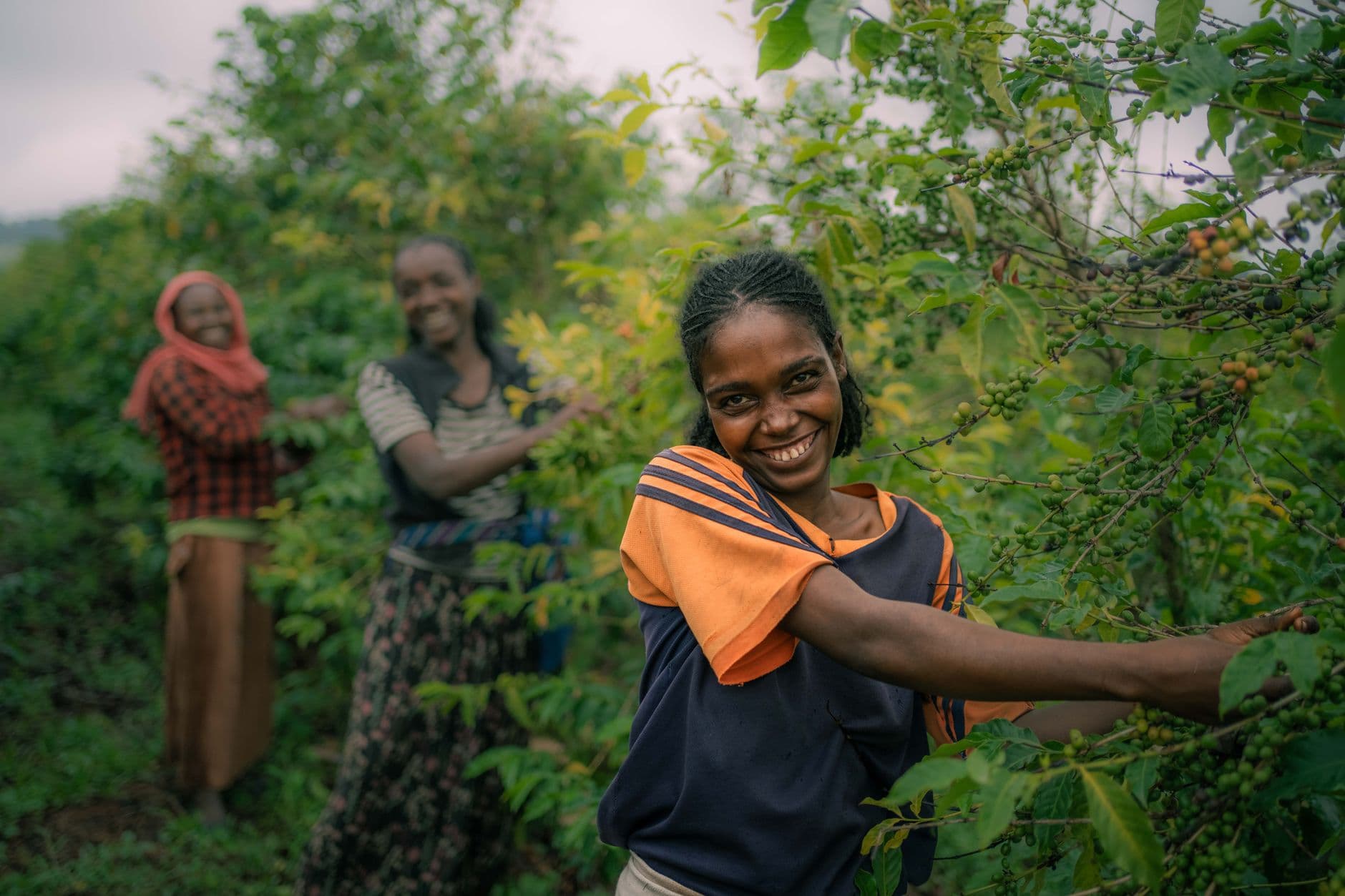
Ecuador rewards buyers looking for a differentiated origin story — highland Arabica with a Peru-adjacent profile, or genuine Amazon-basin Robusta as an alternative to Vietnamese or Ugandan supply. Candora Trading works with vetted exporters across both segments, managing the lot-by-lot verification this smaller, less standardised origin requires, with pilot-pallet entry points suited to Ecuador's realistic scale.
FAQ
Frequently asked questions
Pilot orders start from a single pallet — roughly 300–600kg or 5–10 x 60–69kg bags — which given Ecuador's smaller export scale is the practical entry point for most buyers. Full container programmes require additional lead time for lot consolidation.
Yes. Ecuador grows genuine Amazon-basin Robusta in Sucumbíos and Orellana provinces — rainforest-grown rather than plantation-style, with a fuller cup profile than typical commodity Robusta. It's a differentiated alternative to Vietnamese or Ugandan Robusta.
Highland lots from Loja and Zamora-Chinchipe are sweet and well-balanced with citrus and stone-fruit notes, broadly comparable to northern Peruvian coffee given the shared border and similar growing conditions.
Galápagos Islands coffee is an ultra-premium, extremely limited-volume single-origin product sold almost exclusively into specialty and gift channels. It is not typically available at standard wholesale volumes — contact us to discuss availability for specialty programmes.
Ocean freight runs approximately 2–3 weeks to the US East Coast/Gulf, 3–4 weeks to Europe, and 5–6 weeks to Asia-Pacific from Guayaquil. Given Ecuador's smaller scale, pilot orders typically take 3–5 weeks to ship after confirmation.
Ecuador's total export volume is modest (roughly 500,000–700,000 bags annually) compared to neighbours like Colombia and Peru, which has kept it a lower-profile, more specialty-oriented origin rather than a bulk commodity source.
Some highland Arabica cooperatives in Loja and Zamora-Chinchipe hold organic certification, and Amazon Robusta is often grown with minimal chemical input. We verify formal certification status per lot rather than assuming it.
Ready to get started?
Contact our team to discuss volumes, pricing, and supply structures for your market.
Related
Explore more
Coffee
Peru Coffee Wholesale: Sourcing Organic and Fairtrade Arabica
Coffee
Colombia Coffee Wholesale: A Buyer's Guide to Sourcing Washed Arabica
Coffee
Vietnam Coffee Wholesale: The Buyer's Guide to Sourcing Robusta
Coffee
Coffee Wholesale: Green Coffee Sourcing by Origin
Coffee
Become a Coffee Supplier: Sell Green Coffee Beans to Candora Trading
Confectionery
Become a Supplier Partner: Expand Your Global Reach with Candora Trading