Cinema Concession Candy Wholesale: Complete Sourcing & Profitability Guide
Cinema candy represents the single largest revenue stream in multiplex concession stands—accounting for 35-45% of total concession revenue ($2-3B globally). For cinema operators, purchasing managers, and concession vendors, candy sourcing requires deep understanding of impulse purchasing behavior, margin optimization, and supplier reliability. Cinema-goers spend an average €6-12 per visit on concessions, with candy typically €3-6 of that spend (50% attachment rate). This guide covers cinema-specific candy sourcing strategy, assortment optimization, wholesale negotiation, and profitability modeling.
 By Rikard Kunsinsh, Candora TradingPublished April 18, 2026
Cinema Candy Market: Size, Dynamics & Margin Opportunity
Global cinema candy market: €1. 8-2.5B annually, growing 2-4% CAGR. Breakdown: North America 45% (€810M-1.125B), Europe 30% (€540M-750M), APAC 25% (€450M-625M). Revenue per cinema: Single-screen €150-250k/year candy revenue.
Multiplex (8-10 screens): €400-600k/year. Top cinema chains (Cinemark, AMC, Odeon, Vue each generate €50-200M annual candy revenue across networks.
Margin dynamics: Cinema candy 68-75% gross margin vs retail 35-45%. Operating margin (after labor, shrinkage, storage): 40-50%.
This is why cinema chains aggressively protect candy revenue—it's the margin engine subsidizing ticket pricing. Top-performing candy categories in cinemas: Chocolate bars (Snickers, Twix, Milky Way 35% of volume, 30% of revenue.
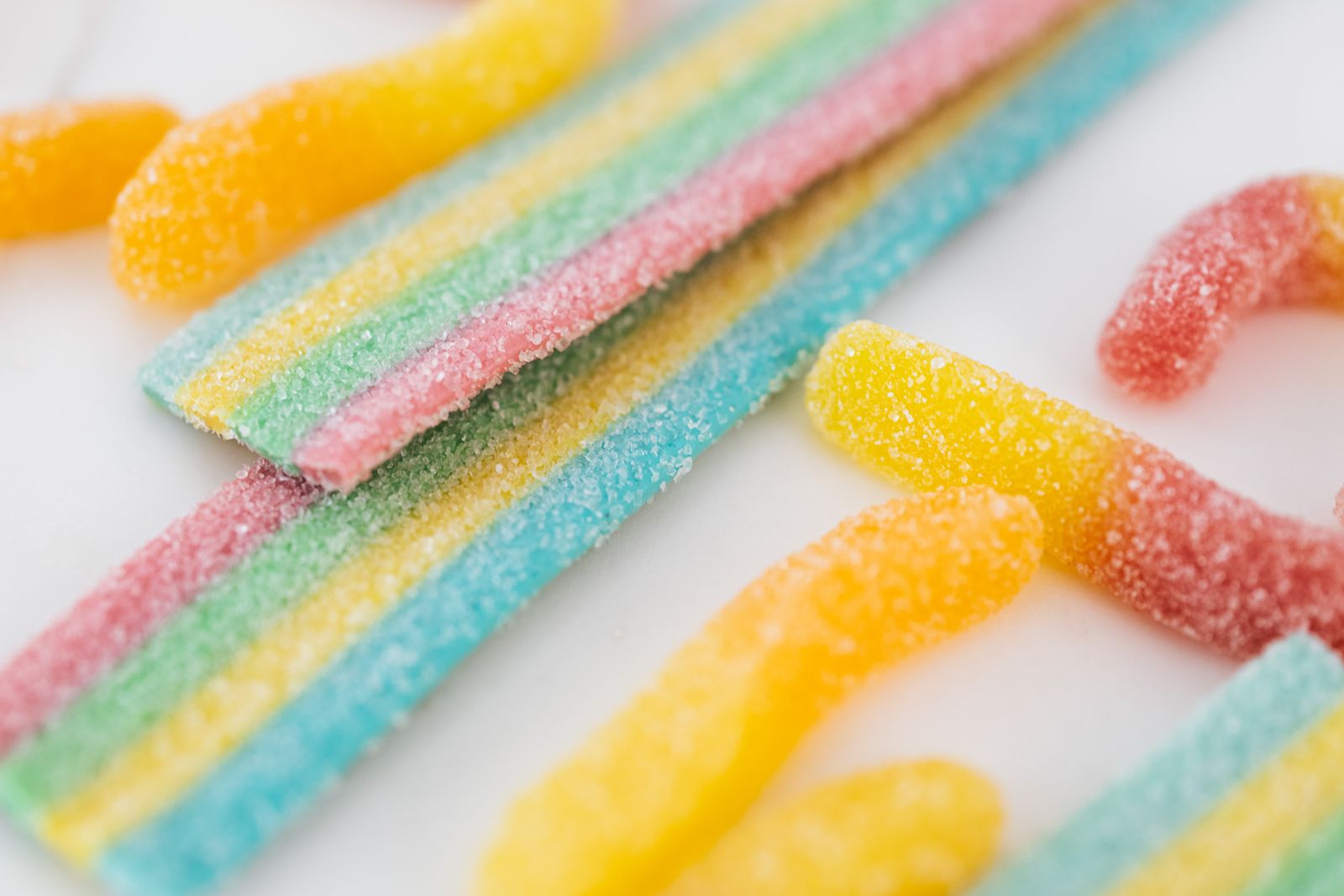
Gummy bears & sour candy 25% of volume, 25% of revenue. Hard candies & licorice 15% volume, 20% revenue (higher margin).
Specialty/novelty 15% volume, 20% revenue (premium-positioned, highest margin).
Top Cinema Candy SKUs & Assortment Strategy
Successful cinema assortments balance volume drivers with margin maximizers. Core performer tier (60% of assortment): Snickers (highest velocity), Twix, Milky Way, Bounty, Mars (universally recognized, high impulse).
Cost €0.50-0.70/unit, retail €3.00-3.50, margin 71%. Volume: 40-50 units/week per theater.
Premium/specialty tier (25% assortment): Luxury chocolate (Ferrero, Lindt formats), artisanal gummy collections, sour candies (Sour Patch Kids, WarheadsWAREHOUSES). Cost €0.60-0.90/unit, retail €3.50-5.00, margin 75%.
Volume: 15-25 units/week. Seasonal/limited edition (15% assortment): Easter/Christmas themed items, seasonal flavors (summer tropical, fall spiced), limited-edition collaborations.
Cost €0.65-0.95/unit, retail €3.50-4.50, margin 72%. Volume: 5-15 units/week (highly seasonal).
Assortment tactic: Maintain strict 30-50 SKU core (don't exceed—confuses customers, slows checkout). Rotate seasonal SKUs in/out quarterly.
Test 2-3 new SKUs monthly based on social trends + supplier recommendations.

Cinema Supplier Relationships & Sourcing Channels
Three primary sourcing models for cinema chains: Large foodservice distributors (Sysco, Shamrock, PFG, Reinhart—USA): Pros: Established relationships with chains, reliable delivery 2-4 weeks, comprehensive selection, professional account management. Cons: 20-25% premium over direct, limited customization.
Best for: Multi-theater circuits wanting simplified procurement. Dedicated candy wholesalers (e.
g. , AllCityCandy, CandyDirect, BBS Wholesale): Pros: Better pricing (10-15% below big distributors), candy specialization, flexibility.
Cons: Smaller selection, longer lead times, less established logistics. Best for: Chains 10-50 theaters, willing to manage multiple supplier relationships.
- Direct supplier + distributor hybrid: Major chains (Cinemark, AMC) negotiate directly with manufacturers (Mars, Ferrero, Mondelez for core volume, use distributors for secondary fill-in. Advantages: €0.45-0.55/unit blended cost (vs €0.70+ retail channel). Requires: Scale (100+ theaters), dedicated procurement team, professional contracts.
Strategic recommendation for mid-size chains (20-50 theaters): Negotiate primary contract with large distributor for 70% volume (core SKUs, reliability), source 30% directly from wholesalers or manufacturers for margin capture + novelty items.
Contract Negotiation & Pricing for Cinema Chains
Cinema candy contracts differ significantly from one-off retail purchases: Contract structure: Typical 12-24 months, monthly volume minimums (e. g.
, €3,000-5,000/month per theater). Multi-theater price tiers: 1-5 theaters €0.75/unit blended, 6-20 theaters €0.68/unit, 20+ theaters €0.55-0.60/unit.
- Volume commitments: Negotiable. Example: 20-theater circuit: €4,000/month minimum = €48,000 annually.
Negotiate flexibility +/- 25% for seasonal variance. Pricing guarantees: Lock FOB pricing for contract term (critical—prevent mid-contract increases due to commodity price volatility).
Annual price-down clauses (0. 5-2% annually, tied to volume growth).
- Payment terms: Standard 50/50 (deposit/delivery). Chains with strong credit can negotiate Net 30 (cash flow benefit).
- On-shelf availability SLA: Supplier guarantees 98%+ availability of Top 15 SKUs. Backorder protocol: If item out of stock >2 weeks, supplier provides approved substitute at no cost difference.
- Returns & damaged goods: Cinema standard: 100% credit for damaged/defective goods within 30 days. Near-expiry (within 2 weeks of sell-by): Full credit or replacement.
- Co-marketing support: Request free POS materials (shelf talkers, promotional signage), sampling programs (especially for new items), digital marketing assets. Sample contract term: '€0.62/unit blended cost locked for 24 months. Monthly minimum €4,000 per location.
Top 15 SKU availability guaranteed 98%. 50% deposit, Net 30 for orders >€10k/month.
Returns: 100% credit within 30 days. Pricing adjustment: +/- CPI annual cap on Year 2.
Cinema-Specific Operational Excellence
Cinema candy success depends on careful operational execution: Concession stand display strategy: High-velocity items must be at checkout counter (eye level, impulse reach). Example: Snickers, Twix, Milky Way occupy 50% of counter space despite being 35% of assortment.
Premium items slightly set back (premium perception). Seasonal items on end-cap display.
Rationale: Checkout speed is critical—customers want rapid transactions. Complex assortments slow checkout, reducing candy attachment.
- Inventory rotation: Very high velocity (50-100 units/week per item on top SKUs requires frequent rotation. Best practice: Weekly or bi-weekly orders, strict FIFO system.
Shelf-life tracking: Monitor expiry dates weekly. Price consistency: Single price point (€3.50) across all core items simplifies POS, speeds checkout. Premium items slightly higher (€4.00-4.50).
Avoid excessive SKU pricing tiers—confuses customers. Staff training & upselling: Concession staff drive candy attachment.
Best practice: Monthly training on new items, trending flavors, upselling tactics ('Would you like to add sour candy to your popcorn? ').
Staff incentive: Commission on candy sales (typically 1-2% of net candy sales). Result: 15-20% uplift in candy per transaction.
- Data-driven SKU management: Track sales by SKU weekly. Identify slow-movers (velocity <5 units/week), test new items monthly.
Retiring underperforming SKUs quarterly. Tactic: Use POS system to generate weekly candy sales reports, share with supplier for collaborative forecasting.
Have questions before you keep reading?
Get pricing, MOQs and lead times for your market.
Seasonal Planning & Demand Forecasting
Cinema candy demand is highly seasonal with predictable patterns: Summer peak (June-August): Families on holiday, increased cinema visits (+40-60% vs off-season). Candy peak: +50-70% volume.
Planning: Order 35-40% of annual volume May-July. Secure supply early (competing cinemas doing same).
Seasonal items: Summer tropical flavors, refreshing gummies. Holiday peak (November-December): Thanksgiving, Christmas holidays, New Year celebrations.
Demand: +45-55% vs baseline. Planning: Order 30-35% of annual volume September-November.
Seasonal items: Holiday-themed candy, gift-assortment items. Off-season (January-March, September-October): School days, lower tourism.
Demand: Baseline. Monthly ordering sufficient.
- Micro-peaks: Easter (+20-25%), Valentine's Day (+15-20%), Halloween (+25-35%). Planning: Advance orders 8-12 weeks before peaks.
Seasonal items: Easter chocolates, Valentine romance assortments, Halloween candy collections. Demand forecasting formula: Baseline monthly volume (Feb-April average × seasonal index = forecasted volume.
Example: Baseline €4,000/month × 1. 6 (summer index = €6,400 June-August forecast.
Tactic: Share 3-year historical data with supplier 12 months in advance; lock seasonal pricing/volume. Result: Better supply security, negotiated pricing, reduced out-of-stocks during peaks.
Profitability Analysis & Margin Optimization
Cinema candy profitability modeling for 5-theater multiplex circuit: Revenue base: 5 theaters × 400 moviegoers/day avg × 365 days × 50% candy attachment rate × €4.50 avg ticket = €3.28M annual candy revenue. COGS: €3.28M × 28% blended cost = €918k COGS. Gross profit: €3.28M
- €918k = €2. 36M (72% gross margin).
- Operating costs: Labor (concession staff): €300k/year (40% allocated to candy). Shrinkage (4% typical): €131k.
Storage/climate control: €30k. POS systems, marketing: €40k.
Total operating: €501k (15% of revenue). Net profit: €2.36M
- €501k = €1. 86M (57% net margin).
- Margin optimization opportunities: (• Negotiate supplier pricing from €0.30/unit (current to €0.27/unit (2-3 month payback at volume). Savings: €98k/year.
(• Reduce shrinkage from 4% to 3% through better inventory management. Savings: €32.8k/year. (• Staff commission-based upselling: +5% candy attachment rate.
Additional revenue: €164k/year, net margin €117k. (• Test premium items (higher margin): Shift 5% of volume to premium items (75% vs 72% margin).
Additional margin: €40k/year. Total opportunity: €287k/year (15% margin uplift).
Risk Management & Contingency Planning
Cinema candy operations carry specific operational and supply risks: Supply disruption: Single distributor dependency creates risk during peak season. Mitigation: Maintain 2-3 week safety stock on top 10 SKUs, identify secondary supplier (accept 10% premium for emergency orders).
- Seasonality volatility: Summer/holiday demand spikes strain inventory systems. Mitigation: Pre-position 40% of peak-season volume 8 weeks before peak, lock pricing in advance.
- Competitor pressure: Cinema chains compete on concession pricing, creating margin pressure. Mitigation: Differentiate via premium items, loyalty programs, exclusive items (negotiate private label SKUs).
- Shrinkage & theft: Candy theft and damage typical 3-5% in high-traffic environments. Mitigation: Secure storage, staff accountability, CCTV monitoring, controlled access.
- Expiry management: High volume means turnover every 2-3 weeks, but slow-moving specialty items can expire. Mitigation: Strict FIFO rotation, weekly expiry audits, clearance strategy for near-expiry items (bundled promotions).
- Price volatility: Chocolate/sugar commodity swings impact costs 5-10% annually. Mitigation: Lock pricing for 12-month contract terms, negotiate price adjustment clauses tied to commodity indices.

Multi-Cinema Optimization & Enterprise Strategy
For cinema chains 20+ locations, sophisticated procurement strategies unlock significant margin gains: Volume consolidation: Centralize purchasing across all locations (vs individual theater ordering). Benefit: €0.45-0.55/unit vs €0.70 single-location pricing = 20-30% cost savings. Centralized inventory: Regional distribution centers (rather than theater-level inventory reduce shrinkage, improve stock freshness.
- Direct factory negotiation: At 500+ tonnes/year volume, negotiate directly with Mars, Ferrero, Mondelez for exclusive items, better pricing, co-marketing support. Private label program: Partner with supplier to develop 'Cinemark Brand' or 'AMC Exclusive' gummy/chocolate items.
Benefit: +5-10% margin premium, brand differentiation. Data analytics: Implement POS analytics across all theaters.
Track: SKU velocity by theater, seasonal patterns, customer demographics, price elasticity. Use data for: Category management, targeted inventory allocation per theater (high-performing theaters get premium items), demand forecasting.
- Loyalty program integration: Tie candy purchases to loyalty program (e. g.
, 'Earn points on candy, redeem for movie tickets'). Benefit: Increases attachment rate, builds customer data, drives repeat visits.
- Supplier partnership: Shift from transactional to strategic vendor relationships. Supplier provides: Monthly analytics, category recommendations, competitive intelligence, co-marketing support.
Venue provides: Volume commitment, feedback, exclusive innovation partnerships.
FAQ
Frequently asked questions
Single-screen cinema: €0.65-0.85/unit. 5-10 theater multiplex: €0.55-0.70/unit. 20+ theater chain: €0.45-0.60/unit. Core items (Snickers, Twix): €0.50-0.70. Premium items: €0.65-0.90. Seasonal specialty: €0.70-0.95. Negotiation based on volume commitments and contract length is critical.
Single-screen cinema: €150-250k/year candy revenue. 8-10 screen multiplex: €400-600k/year. Larger circuits scale linearly. Depends on: Theater location (urban = higher), movie quality (blockbuster = higher), pricing ($€3.50-4.00 range typical). Candy is 35-45% of total concession revenue.
Gross margin: 68-75%. Net margin (after labor, shrinkage, storage): 40-50%. Cinema candy is the highest-margin concession category (compare to popcorn 50-60% net, beverages 55-65%). This is why chains aggressively manage candy sourcing and pricing.
Weekly or bi-weekly standing orders typical (vs monthly for other channels). High-velocity items like Snickers/Twix rotate every 2-3 weeks. This keeps stock fresh, reduces expiry risk, enables faster SKU rotation. Emergency ordering 2-3x/month for unexpected peaks.
Supply disruption during peak season (summer/holidays). Cinemas compete heavily for supplier inventory during peaks. Mitigation: Lock supplier contracts 6-12 months in advance, maintain 2-3 week safety stock, develop secondary supplier relationships. Also manage shrinkage (theft/damage 3-5%)—impacts margins significantly at scale.
Ready to get started?
Contact our team to discuss volumes, pricing, and supply structures for your market.
Related
Explore more

Wholesale
Foodservice Candy Sourcing: Complete Guide for Venue Operators & Hospitality Buyers

Wholesale
Theme Park & Attraction Candy Sourcing: Complete Operational & Sourcing Guide

Wholesale
Foodservice Candy Margin Analysis: Channel Benchmarking & Profit Optimization

Wholesale
Foodservice Candy Contracts & Negotiation: Complete Guide to Terms & Deal Structure

Bulk Supply
Bulk Candy Wholesale

Wholesale
White-Label Chocolate Bar Sourcing: Budget Formats for Discount Retail
Sour Candy
Sour Candy Wholesale: Why It Is the Fastest-Growing Impulse Category

Private Label
Private Label Candy: How Retailers Build Higher-Margin Confectionery Ranges