Seasonal Candy Wholesale: Your Complete Buying Strategy for Christmas, Halloween & Easter
Seasonal confectionery drives 35–40% of annual candy retail revenue, but buying seasonal candy wrongly—wrong timing, wrong volumes, wrong formats—can result in 25–35% markdown losses and dead inventory. This guide covers the complete seasonal buying cycle: when to buy, what to buy, volume planning, and supplier partnerships. Master seasonal buying and you unlock the highest-margin, highest-velocity candy opportunities of the year.
 By Rikard Kunsinsh, Candora TradingPublished April 17, 2026
The Seasonal Candy Calendar: When to Buy What
Seasonal candy buying is not a single event—it's four distinct buying windows throughout the year: Halloween (September–October buying window, August–October selling window):
- Buying window: June 1–August 15
- Lead time needed: 6–10 weeks for imported formats
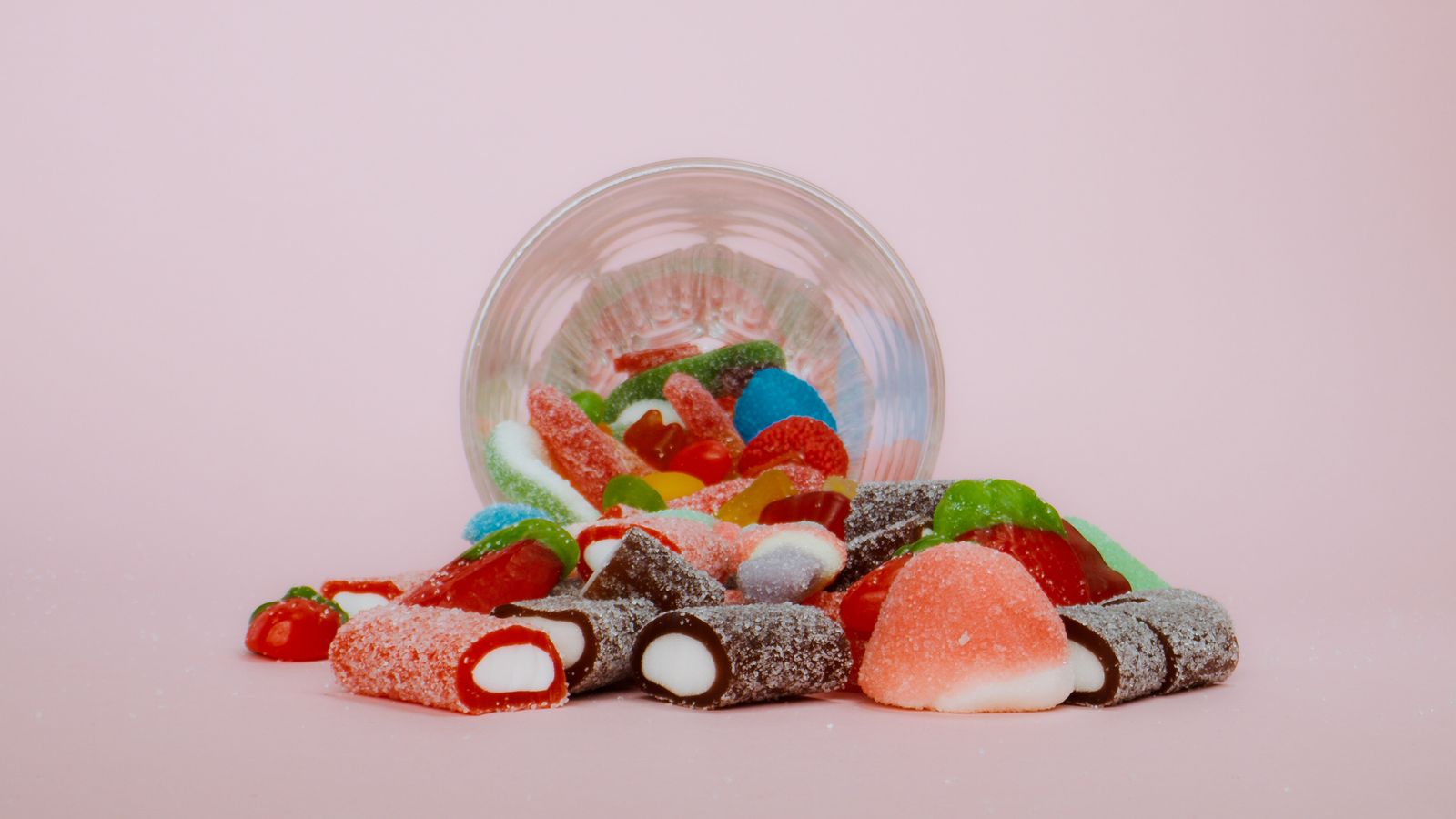
- Core formats: Sour-coated items, gummy worms, novelty shapes (ghosts, skulls, pumpkins), mixed bags, mixed assortments
- Market size: €450M–600M globally; USA is 40% of volume
- Margin profile: 55–70% gross (premium positioning due to scarcity Christmas (October–November buying, October–December selling):
- Buying window: July 15–September 30
- Lead time needed: 8–12 weeks for full assortment
- Core formats: Festive assortments, chocolate novelties, gift boxes, wrapped candies, stocking stuffers, tree-shaped formats
- Market size: €1. 2B–1.5B globally; largest single season
- Margin profile: 50–65% gross (high volume offsets scarcity premium
- Peak retail period: Mid-October through December 24 Easter (February–March buying, March–April selling):
- Buying window: December 1–January 31
- Lead time needed: 6–8 weeks
- Core formats: Egg-shaped formats, pastel colors, Spring-themed assortments, chocolate, bunny shapes
- Market size: €300M–400M globally
- Margin profile: 60–70% gross (less competitive than Christmas Valentine's Day (November–December buying, January–February selling):
- Buying window: September 1–November 30
- Lead time needed: 6–8 weeks
- Core formats: Heart-shaped candy, premium/gift formats, chocolate, romantic assortments
- Market size: €150M–200M (smallest seasonal
- Margin profile: 65–75% gross (premium positioning, lower volume competition Action: Map these dates into your annual procurement calendar today. First buying window (Halloween starts June 1, so if you haven't started sourcing yet and it's after June 1, you're already behind.
Volume Planning: How Much Seasonal Candy to Buy
Under-buying seasonal candy = lost sales and disappointed retail partners. Over-buying = markdown losses and dead inventory.
The target is 85–90% sell-through during the season, with 10–15% leftover inventory cleared at 30–50% discount in the off-season. Volume calculation framework: Start with your baseline confectionery volume: If your non-seasonal confectionery annual volume is 100 tonnes:
- Halloween: 15–20 tonnes (15–20% of annual
- Christmas: 35–45 tonnes (35–45% of annual
- Easter: 8–12 tonnes (8–12% of annual
- Valentine's: 3–5 tonnes (3–5% of annual Adjust based on retail format:
- Grocery chains: Lower seasonal %, higher absolute volume
- Specialty confectionery retail: 40–60% of annual volume is seasonal
- Discount retail: 30–40% of annual volume is seasonal
- Online/E-commerce: Seasonal is 25–35% of annual, but selling window is compressed Adjust based on market conditions:
- If Christmas demand is trending up (marketing push, new locations): Add 10–15% to forecast
- If competitor activity is high: Reduce forecast 5–10% (share pressure
- If you're expanding geographic footprint: Add 20–30% to forecast Conservative approach (recommended for first year seasonal buying): Forecast 70–80% of what you think you'll sell.
Better to under-supply (stock-outs create urgency than over-supply (markdowns destroy margin).

What to Buy: Format & Product Strategy for Each Season
Seasonal success is format-driven, not volume-driven. Buy the RIGHT formats and you'll sell out.
Buy the wrong formats and you'll be marking down. Halloween Strategy:
- Core formats: Sour-coated gummies (high impulse), novelty shapes, dark/spooky colors, mixed bags
- What sells best: Sour worms, gummy eyeballs, skull/ghost shapes, fruit sours, liquorice shapes
- What doesn't: Chocolate (high theft, requires climate control), standard jelly bears (no seasonal angle
- Positioning: Premium/novelty—Halloween candy carries 10–20% price premium over standard candy
- Planogram: 40% sour formats, 30% novelty shapes, 20% mixed bags, 10% specialty (sugar-free, organic options Christmas Strategy:
- Core formats: Festive assortments (most important), wrapped/boxed formats (gift positioning), chocolate novelties, traditional shapes (candy canes, trees, wreaths
- What sells best: Mixed festive bags, premium gift boxes, stocking stuffer assortments, wrapped candies, chocolate Santas
- What doesn't: Standard jelly bears without Christmas packaging/positioning
- Positioning: Gift & stocking stuffer—this is premium retail positioning.
Christmas candy carries 5–15% price premium.
- Planogram: 50% festive assortments/mixed bags, 25% premium gift boxes, 15% wrapped/individually packaged, 10% specialty (sugar-free, organic, luxury Easter Strategy:
- Core formats: Egg-shaped formats, pastel colors, Spring themes, chocolate novelties
- What sells best: Pastel jelly eggs, Spring animal shapes (bunnies, chicks), chocolate eggs, egg-shaped mixed bags
- What doesn't: Dark/winter colors, standard formats without Easter branding
- Positioning: Family/gifting—Easter carries 10–20% price premium, more skewed toward family than luxury
- Planogram: 40% egg-shaped formats, 30% Spring assortments, 20% chocolate novelties, 10% specialty Valentine's Strategy:
- Core formats: Heart shapes, premium gift packaging, luxury positioning
- What sells best: Heart-shaped gummies, premium chocolate, luxury gift boxes
- What doesn't: Bulk/commodity formats, standard packaging
- Positioning: Premium/luxury gifting—Valentine's candy carries 20–35% price premium
- Planogram: 60% premium/gift formats, 30% heart shapes, 10% specialty Pro tip: Work with your manufacturer 8–12 weeks in advance on custom packaging/formats.
Standard formats repackaged as seasonal don't convert well. Dedicated seasonal packaging drives 30–40% better sell-through.
Supplier Selection: Working With Seasonal Candy Partners
Seasonal candy suppliers are different from year-round suppliers. You need partners who understand:
- Tight lead times (8–12 weeks, not 12–16)
- Peak volume windows
- Custom seasonal packaging/formats
- Quality consistency across batches
- Quick reorder capability if demand spikes Vetting a seasonal supplier: 1. Seasonal Capacity: Do they have dedicated production capacity for seasonal formats? Or are they squeezing seasonal production around year-round orders?
(Wrong answer = stock-outs when demand spikes 2. Format Flexibility: Can they produce custom seasonal formats (egg shapes, festive packaging)?
Or only standard assortments? (Custom formats sell 30–40% better 3. Lead Time Commitment: Will they commit to 8-week lead times from order to shipment? Some suppliers have seasonal lead times (10–14 weeks in summer, 16+ weeks in spring—too late for Halloween 4. Reorder Capability: If your Halloween buying is ahead of forecast, can they reorder quickly (2–3 week lead time)? Or only 8-week minimums?
5. Quality Consistency: Have they delivered seasonal formats before?
Ask for references from other seasonal buyers. 6. Pricing Model: Do they charge premium pricing for seasonal formats? Expect 5–15% price premium for custom seasonal packaging/formats.
This is normal. 7. Minimum Orders: What's the MOQ for seasonal formats? Candora Trading works with retailers from pallet quantities (500kg–2 tonnes on seasonal seasonal assortments.
Buying Timeline: Month-by-Month Roadmap
HALLOWEEN (September–October selling) June 1–15: Begin sourcing, request samples, confirm format & packaging June 15–July 15: Finalize format, artwork, MOQ, pricing July 15–Aug 15: Place 60% of Halloween order (8–12 week lead time = Sept arrival Aug 15–Sept 1: Place 40% of Halloween order (flexibility for demand signal adjustment Sept 15–Oct 15: Peak selling window Oct 15–Nov 1: Clearance/markdown phase CHRISTMAS (October–December selling) June 1–July 15: Plan format, request samples July 15–Aug 15: Finalize formats, packaging, artwork Aug 15–Sept 1: Place 50% of Christmas order (first container, 8–10 week lead time = Oct arrival Sept 1–Sept 15: Place 30% of Christmas order (second container Sept 15–Oct 1: Place 20% of Christmas order (third container, late October arrival = Nov–Dec selling Oct 1–Dec 24: Selling window (12 weeks, longest season Dec 24–Jan 15: Final clearance phase EASTER (March–April selling) December 1–January 15: Plan formats, request samples Jan 15–Feb 1: Finalize formats, packaging Feb 1–Feb 15: Place Easter order (6–8 week lead time = March arrival March 1–April 15: Selling window (6–8 weeks April 15–May 1: Clearance phase VALENTINE'S (January–February selling) September 1–Oct 1: Plan formats Oct 1–Nov 1: Finalize formats, artwork Nov 1–Nov 30: Place Valentine's order (6–8 week lead time = Jan arrival Jan 1–Feb 14: Selling window (6 weeks Feb 14–March 1: Clearance phase
Have questions before you keep reading?
Get pricing, MOQs and lead times for your market.
Inventory Planning & Stock Rotation
Seasonal inventory is the most dangerous inventory—if you don't sell it during the season, it's worthless. Sell-through targets by season:
- Halloween: 85–90% sell-through (10–15% to clear post-season
- Christmas: 80–85% sell-through (15–20% to clear
- Easter: 85–90% sell-through (10–15% to clear
- Valentine's: 88–92% sell-through (8–12% to clear Inventory tracking system: Track seasonal inventory separately from year-round.
Create a spreadsheet:
- Date received
- Format/SKU
- Opening inventory
- Weekly sales
- Current inventory level
- % sell-through (current sales / opening inventory
- Projected final sell-through
- Markdown price (if sell-through is tracking below target Markdown strategy: If you're tracking for 75% sell-through by end of season (below your 85–90% target):
- Week 1 of clearance: 20% markdown
- Week 2–3: 40% markdown
- Week 4+: 60% markdown Better to sell 95% of inventory at 40% markdown than hold 10% into next year (storage cost + dead capital). Clearance channels:
- Discount retailers (TK Maxx, Aldi, discount chains
- Online discount marketplaces
- Restaurant/foodservice (break even, bulk clearance
- Donation (tax write-off, PR value Lesson for next season: If you consistently over-buy seasonal (>15% left over), reduce forecast 10–15% next year.
If you consistently sell out (0% left over), you likely under-bought—increase forecast 10–15%.
Margin Protection: How to Maintain Profit on Seasonal Candy
Seasonal candy's high margins are only real if you sell during the season. Markdowns destroy profitability quickly.
Baseline seasonal margins:
- Halloween: 55–70% gross margin
- Christmas: 50–65% gross margin
- Easter: 60–70% gross margin
- Valentine's: 65–75% gross margin How markdowns kill margin:
- 10% unsold @ 50% markdown = 5% margin erosion
- 20% unsold @ 50% markdown = 10% margin erosion
- 25% unsold @ 50% markdown = 12. 5% margin erosion This is why buying right (correct volumes, correct formats matters more than wholesale pricing on seasonal.
Margin protection strategies: 1. Conservative volume forecasting: Buy 75–80% of what you think you'll sell.
Stockouts create urgency (sell 100% at full price vs overstock creates clearance (sell 75% at 40% discount). 2. Format discipline: Only buy formats with proven track records in your market. Don't experiment during seasonal buying.
3. Pricing power: Premium seasonal candy carries 10–20% price premium.
Don't discount seasonally early in the season. Hold margin until final 2–3 weeks of selling window.
4. Planogram allocation: Allocate space/inventory proportional to anticipated sell-through, not uniformly.
If sour belts sell 40% better than novelty shapes, allocate 40% more inventory to sour. 5. Supplier partnerships: Work with suppliers who'll take back overstocked seasonal at 50% cost credit (rare, but Candora Trading can negotiate this for volume commitments). Margin reality check: If you're achieving 80% sell-through + 50% margin on seasonal, your blended seasonal margin is 40% gross.
If you're achieving 70% sell-through + 50% margin on seasonal (15% at 25% margin from clearance), your blended margin is 42. 5% gross.
Conservative buying protects margin better than aggressive discounting.
Channel-Specific Seasonal Strategies
Seasonal buying varies significantly by retail format: Grocery & Supermarket:
- Seasonal occupies 15–25% of confectionery planogram during season (vs 5–8% year-round
- Heavy promotional activity (buy-one-get-one, bundle pricing
- High-volume, lower-margin strategy (55–60% gross
- Requires large-scale sourcing (50–100+ tonnes per season Specialty Confectionery Retail:
- Seasonal is 40–60% of category volume during season
- Premium/gift positioning (65–75% gross margin
- Requires custom seasonal formats
- Smaller volume requirements (5–15 tonnes per season Discount Retail:
- Seasonal is 20–30% of candy volume
- Value positioning, some premium seasonal offerings
- 50–65% gross margin
- Volume requirements: 20–50 tonnes per season Quick Commerce (Wolt, Getir, Gorillas):
- Seasonal occupies premium shelf space during season
- Small pack sizes (single/double portions
- High-velocity, lower-margin strategy (45–55% gross
- Requires 1–3 tonne commitments, frequent reorders Online/DTC:
- Seasonal bundles, subscription boxes, gift sets
- Premium pricing (60–70% gross margin
- Requires custom packaging/branding
- Smaller volume (2–8 tonnes per season B2B Corporate Gifting:
- Seasonal is peak revenue window (50–70% of annual B2B revenue
- Premium/luxury positioning (65–80% gross margin
- Requires custom branding, gift packaging
- Flexible sizing/formats
- Highest-margin seasonal channel
Quick Seasonal Buying Checklist
Before you place any seasonal order, confirm: Product & Format:
- ☐ Format tested with customers and proven to sell
- ☐ Packaging/branding finalized and approved
- ☐ Artwork files delivered to manufacturer
- ☐ Sample approved
- ☐ Price point tested in market Volume & Timing:
- ☐ Seasonal sales forecast completed (by format, by location, by channel
- ☐ Lead time from order to delivery confirmed (8–12 weeks
- ☐ Delivery date scheduled 3–4 weeks before peak selling window
- ☐ Order split into 2–3 tranches (avoid single-delivery rise
- ☐ Reorder capability confirmed with supplier Supplier & Terms:
- ☐ Supplier contacted and lead times confirmed
- ☐ MOQ and pricing confirmed
- ☐ Payment terms agreed
- ☐ Quality/certification confirmed
- ☐ Return/credit policy for overstock confirmed (if available Inventory & Logistics:
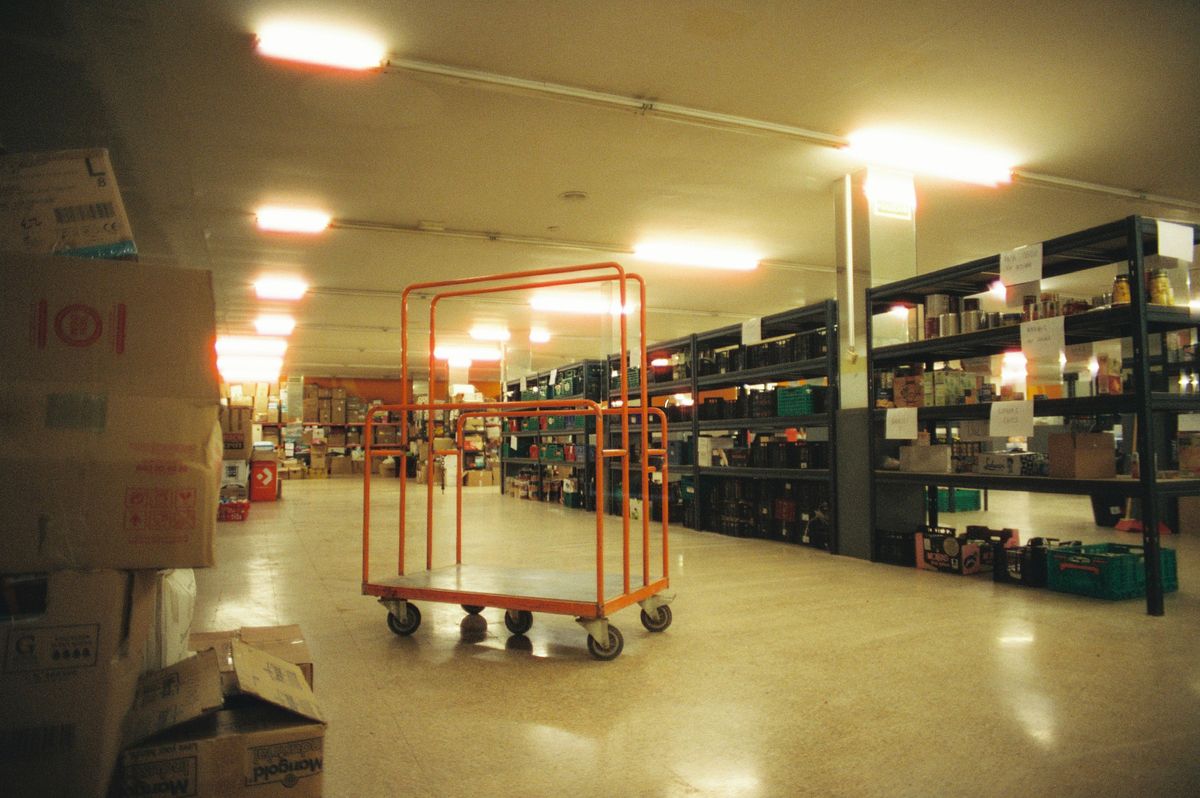
- ☐ Warehouse space allocated
- ☐ Distribution logistics planned
- ☐ Inventory tracking system set up
- ☐ Clearance strategy documented
- ☐ Markdown pricing pre-planned Sales & Promotion:
- ☐ Retail placements confirmed (how many locations?
FAQ
Frequently asked questions
July 15–August 31. Christmas candy requires 8–12 week lead times from order to delivery, so you need to place orders by end of August for mid-to-late October arrival, giving you 6–8 weeks of selling window (peak period is mid-October through December 24).
Use your non-seasonal volume as a baseline. Halloween is typically 15–20% of annual volume, Christmas is 35–45%, Easter is 8–12%. Be conservative—85–90% sell-through with 10–15% clearance is healthy. Better to stockout (create urgency) than markdown (destroy margin).
Halloween: Sour-coated formats, novelty shapes. Christmas: Festive assortments, gift boxes, wrapped candies. Easter: Egg shapes, pastel colors. Valentine's: Heart shapes, premium gift formats. Custom seasonal packaging outperforms standard packaging relabeled by 30–40%.
Conservative volume forecasting (buy 75–80% of forecast), format discipline (proven sellers only), and proper planogram allocation (allocate space to best performers). Track sell-through weekly and adjust markdown timing. Clearance discounts early (week 1) rather than late (after season).
Halloween 55–70% gross, Christmas 50–65%, Easter 60–70%, Valentine's 65–75%. These are peak-season margins. If you have 15–20% left over at 50% markdown, blended margin drops 10–12%. This is why volume/format accuracy matters more than wholesale cost.
Ready to get started?
Contact our team to discuss volumes, pricing, and supply structures for your market.
Related
Explore more
Bulk Supply
Bulk Candy Wholesale
Specialty
Christmas Candy Wholesale: Bulk Christmas Sweets for Retailers and Distributors

Specialty
Halloween Candy Wholesale: Bulk Halloween Sweets for Retailers and Distributors

Specialty
Easter Candy Wholesale: Bulk Easter Sweets for Retailers and Distributors

Confectionery
Confectionery Wholesale