Scaling from Local to National
Scaling a candy business from a local or regional footprint to national distribution is primarily a logistics and supplier-capacity problem, not a demand problem — the products that sold well locally usually have latent national demand, but the supply chain built for local scale rarely transfers directly to national volume without real changes.
 By Rikard Kunsinsh, Candora TradingPublished April 18, 2026
Why Local-Scale Logistics Don't Transfer to National Scale
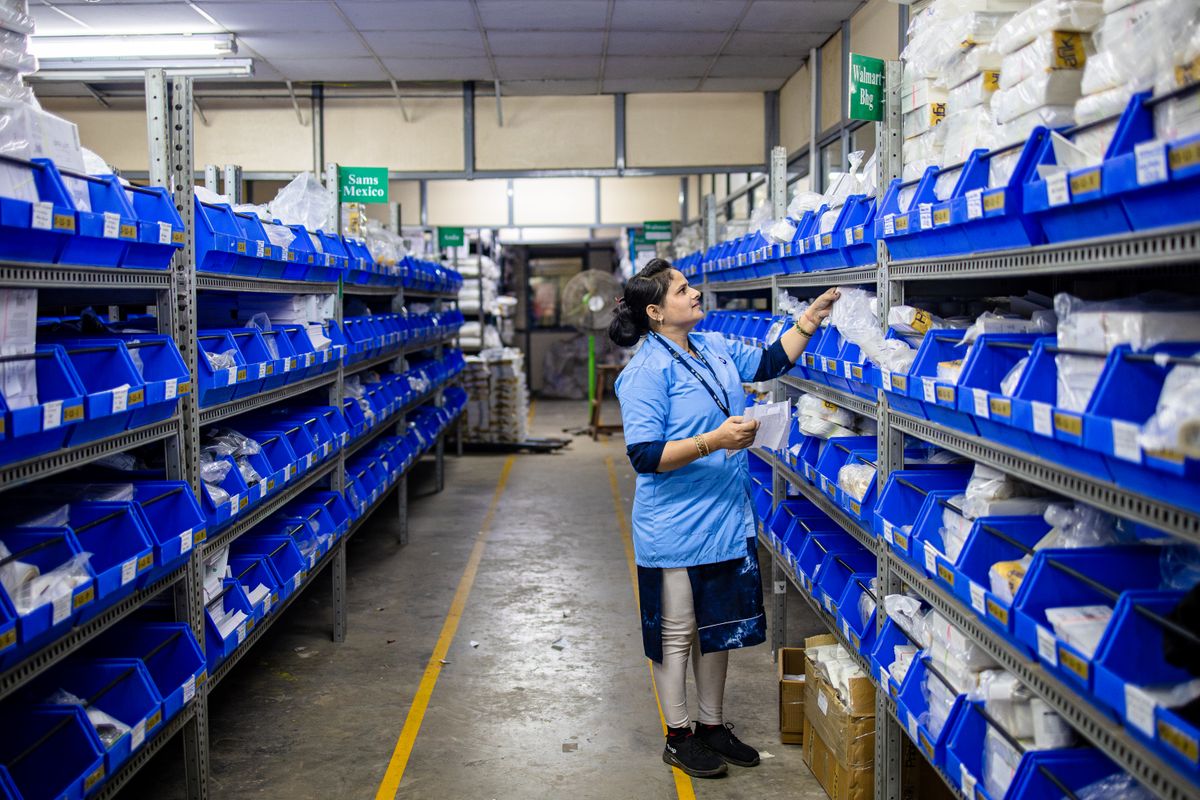
A single-warehouse, regional-delivery logistics setup that works well at local scale typically can't support national distribution economically — national scaling usually requires either multiple regional distribution points or a national logistics partner, both of which are genuine operational changes, not just "more of the same" at higher volume.
Supplier Capacity as the Binding Constraint
A supplier relationship sized for local-scale volume may not have the production capacity to support national-scale demand — this needs confirming with the supplier before committing to national expansion, since discovering a capacity ceiling after national retail commitments are made creates a genuinely damaging fulfillment failure, not just a missed growth opportunity.

Retail Relationship Differences at National Scale
National retail chains typically require different account management (centralized buying decisions, EDI integration, different payment terms) than the local independent or regional retailers a business may have built its base with — this is a real relationship-building and systems investment, not simply an extension of existing local retail relationships.
Maintaining Quality Consistency at Increased Volume
Scaling production volume, whether through the existing supplier or an additional one, carries real risk of quality consistency drift if not actively managed — the same quality-control verification that mattered when establishing the original local supplier relationship needs to be reapplied, not assumed to hold automatically as volume scales up.
Capital Requirements for National Scaling
National scaling typically requires meaningful working capital investment ahead of national-scale revenue materializing — inventory buildup to support national distribution, potential slotting fees for national retail placement, and logistics infrastructure investment all require capital committed before the corresponding revenue arrives, which is why undercapitalized national scaling attempts are a common failure mode.
FAQ
Frequently asked questions
Logistics and supplier capacity, not demand — the products that sold well locally usually have latent national demand, but the local-scale supply chain and single-warehouse logistics setup typically can't support national volume without real operational changes.
Before — discovering a supplier capacity ceiling after national retail commitments are already made creates a genuinely damaging fulfillment failure, not just a missed growth opportunity.
Ready to get started?
Contact our team to discuss volumes, pricing, and supply structures for your market.