Novelty & Specialty Candy Wholesale: Premium Format Strategy
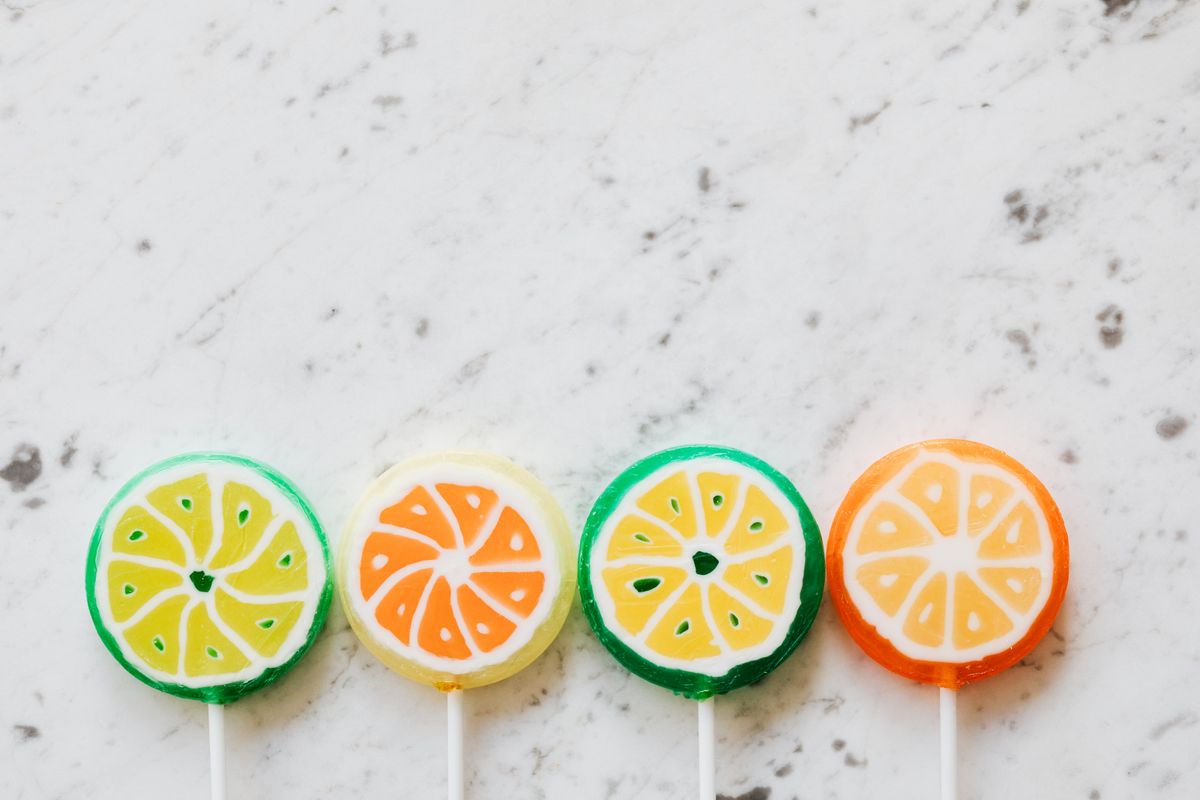
Novelty and specialty candy (shaped formats, sour-coated, limited editions, premium brands) represent 15–20% of retail candy sales but 35–45% of margins. These formats drive discovery, repeat visits, and premium customer loyalty. For retailers, curating novelty assortment correctly is critical to category profitability. This guide covers novelty candy sourcing, trend forecasting, and assortment strategy.
 By Rikard Kunsinsh, Candora TradingPublished April 18, 2026
Novelty Candy Market: High-Margin, Trend-Driven
Novelty candy market: €2–3B globally, growing 8–12% annually. Characteristics: high-margin (60–75% retail), trend-driven (seasonal, viral, limited edition), discovery-oriented (customers seeking "new"), repeat purchase (collecting behavior).
Examples: shaped gummies, sour-coated formats, artisanal brands, licensed characters. Retail margins: 60–75% (exceptional).
Assortment Strategy: Seasonal, Trending, Limited Edition
Seasonal novelty: Christmas shapes, Halloween themes, Easter varieties. Trending novelty: Sour-coated variants, unusual flavors, health-positioned (sugar-free, organic).
Limited editions: Exclusive, time-bound, drive urgency. Sourcing strategy: Test 2–3 novelty formats per quarter, measure sell-through, scale winners.
Rotate quarterly to maintain discovery appeal.
Market Sizing & Channel Distribution
Novelty and specialty candy is a discovery-retail category more than a staple-aisle category — it performs best in formats built around browsing and impulse discovery (end-caps, checkout displays, specialty/gift retail, online) rather than the routine restock aisle where staple candy formats live. Sizing this category by SKU count and turnover rate is more useful than sizing it by tonnage, since the format is defined by variety and rotation rather than volume of any single item.
Distribution planning should reflect that novelty candy earns shelf space by driving traffic and repeat visits through "what's new" appeal, which means retailers evaluating novelty suppliers should weight assortment breadth and refresh capability as heavily as unit pricing — a supplier who can reliably deliver a rotating slate of new formats is more valuable to this category's economics than one offering marginally better pricing on a static assortment.
Retail Positioning & Margin Structure
Novelty candy commands premium retail pricing because customers are paying for discovery and novelty, not just the product itself — but that premium has to be underwritten against realistic sell-through expectations, since not every novelty SKU performs. Blended margin planning for this category should build in an expected markdown/write-off rate for underperforming SKUs, rather than modeling margin as if every SKU sells through at full price the way a staple format reasonably can.
In practice this means the effective margin on novelty candy is the gross margin on winning SKUs minus the write-off cost on the SKUs that don't catch on — a genuinely different margin model from staple categories, where sell-through is more predictable and markdown risk is comparatively minor. Retailers who only track gross margin on units sold, without accounting for units marked down or written off, will overstate this category's actual profitability.
Promotional Strategy & Competitive Defense
Competitive advantage in novelty candy comes primarily from being first-to-shelf with a trending format, licensed tie-in, or unusual shape before competitors can source and stock something similar — speed of sourcing and assortment refresh is the real competitive lever here, more so than price defense. Once a novelty format is widely available across competing retailers, its differentiation value has largely already eroded.
Promotional strategy should prioritize fast, decisive clearance of underperforming SKUs over long promotional calendars — the goal is to free up shelf space and cash for the next rotation rather than nursing a slow-moving novelty item through extended markdown cycles the way a staple product might justify. A short evaluation window (weeks, not a full season) on new novelty SKUs, with a clear sell-through threshold that triggers either reorder or clearance, keeps the assortment genuinely fresh rather than accumulating slow-moving inventory.
Have questions before you keep reading?
Get pricing, MOQs and lead times for your market.
Inventory Velocity & Seasonality
Novelty and specialty candy carries a genuinely shorter product lifecycle and higher SKU turnover than staple confectionery formats, which means inventory targets should be structured around smaller, more frequent orders rather than the larger, less frequent bulk commitments that make sense for stable, high-velocity staples. Ordering to staple-format inventory assumptions is the most common mistake retailers make entering this category.
The real risk isn't running out of stock — it's dead stock: committing to volume on a novelty format ahead of confirming it sells through, only to have the trend or licensed tie-in lose relevance before inventory clears. A conservative initial order paired with a fast reorder capability protects against this far better than a larger upfront commitment that looks more cost-efficient per unit but carries meaningfully more exposure if the format underperforms.
Private Label vs Branded Strategy
Private label makes the most sense for novelty formats that have already proven repeatable, durable demand — once a shape, flavor, or format has shown it isn't just a passing trend, investing in a private label version to capture better margin is a reasonable bet. Chasing a still-unproven trend with a custom private label investment compounds two risks at once: the trend risk of the format itself, and the tooling/formulation investment risk of committing to a private label run before demand is confirmed.
For SKUs that are still in an unproven, trend-chasing phase, sourcing from an existing supplier catalog — accepting less differentiation in exchange for a lower commitment and faster time to shelf — is generally the more disciplined approach. Reserve private label investment for the smaller number of novelty formats that have graduated from trend to durable category staple.
ROI & Profitability Modeling
ROI modeling for novelty candy has to explicitly account for dead-stock and markdown risk as a direct cost, not an afterthought — the real net profitability of this category is gross margin on sold units minus write-offs on unsold or marked-down inventory, and that write-off rate is structurally higher here than for staple candy formats given the shorter lifecycle and trend dependency.
This is the direct argument for favoring smaller, more frequent orders over bulk commitments even when bulk pricing is nominally more attractive: a lower per-unit cost from a large order is only a real advantage if the inventory actually sells through, and novelty candy's higher trend-fade risk means that assumption holds less reliably here than in staple categories. A profitability model that only compares unit costs across order sizes, without weighting for sell-through probability, will systematically overstate the attractiveness of bulk novelty orders.
FAQ
Frequently asked questions
High margins (60–75% retail). Low price sensitivity (customers willing to pay premium for trend/novelty). High repeat purchase (collecting behavior).
Quarterly seasonal rotation + monthly trending updates. Test new formats weekly. Remove slow-movers (<50% sell-through). Novelty works via discovery—rotation maintains appeal.
Direct factory: 6-10 weeks. Distributor: 2-4 weeks. Negotiate based on volume and commitment.
5-20 tonnes (baseline), 20-50 tonnes (5-8% discount), 50-100 tonnes (10-15%), 100+ (20-25%).
Lock FOB pricing after 2 successful orders. Volume commitments (50+ tonnes/year) unlock 10-15% discounts. Payment terms: typically 50% deposit, 50% on delivery.
Ready to get started?
Contact our team to discuss volumes, pricing, and supply structures for your market.
Related
Explore more

Bulk Supply
Bulk Candy Wholesale

Confectionery
Confectionery Wholesale

Wholesale
Seasonal Candy Wholesale: Your Complete Buying Strategy for Christmas, Halloween & Easter

Specialty
Organic & Natural Candy Wholesale: The Premium Segment Sourcing Guide for Retailers
Specialty
Collagen Drinks Wholesale: Bulk Supply for Retailers and Distributors