Mexico Coffee Wholesale: Sourcing the World's Largest Organic Coffee Supply
Mexico is the largest producer of certified organic coffee in the world, grown predominantly by indigenous smallholder cooperatives in Chiapas and Oaxaca under shade-grown, low-input farming systems that were organic in practice long before formal certification existed. For roasters and brands building organic product lines, Mexican coffee wholesale is one of the deepest and most established certified supply pools available. Candora Trading sources Mexican green coffee from vetted exporters and cooperative unions across Chiapas, Veracruz, and Oaxaca, with programmes structured from pallet-level pilot orders through to full container shipments out of Veracruz.
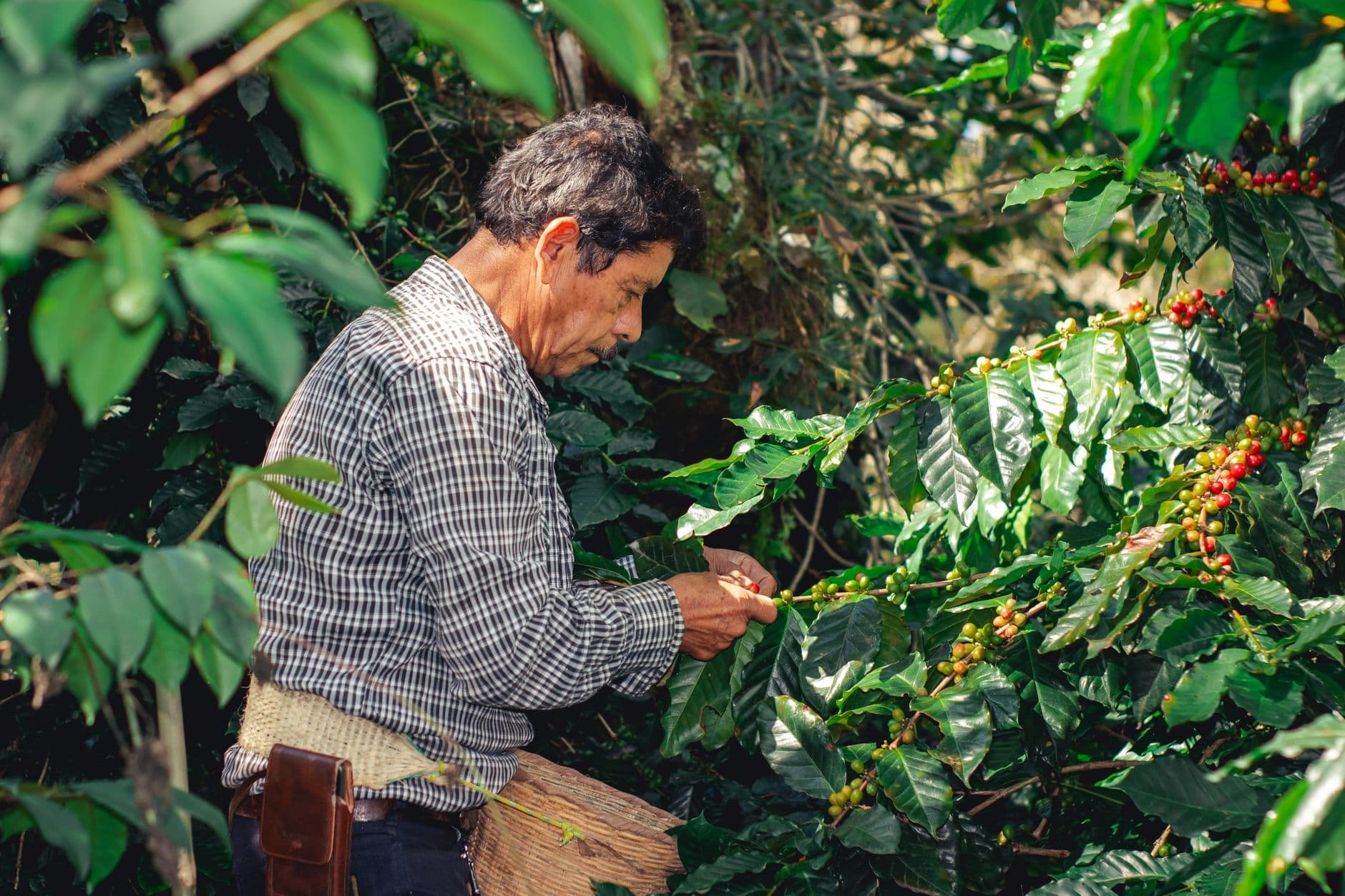
Mexico Coffee: Origin Profile
Mexican coffee production is concentrated in three main states: Chiapas (bordering Guatemala, the largest producing state and heartland of the country's organic and Fairtrade cooperative movement, particularly around Tapachula and the Sierra Madre), Veracruz (the historic coffee region on the Gulf coast, including Coatepec), and Oaxaca (smaller volume but strong indigenous cooperative production). Growing altitudes range widely, and Mexico's grading terminology reflects this directly — "Altura" (highland) designates the premium high-grown category. Cup profiles are generally mild, well-balanced, and clean, with light-medium body and moderate acidity — a dependable, food-safe base for blends as well as a credible organic single-origin offering.
Mexico Coffee Wholesale Market
Mexico exports approximately 2.5–3 million 60kg bags annually. What sets Mexico apart commercially is the scale of its certified organic production — a substantial share of national output, concentrated among Chiapas and Oaxaca smallholder cooperatives, is either formally certified organic or grown under organic-equivalent practices by farmers who have never used synthetic agrochemicals. This positions Mexico alongside Peru as one of the two dominant global sources for buyers building certified organic coffee programmes at meaningful scale.
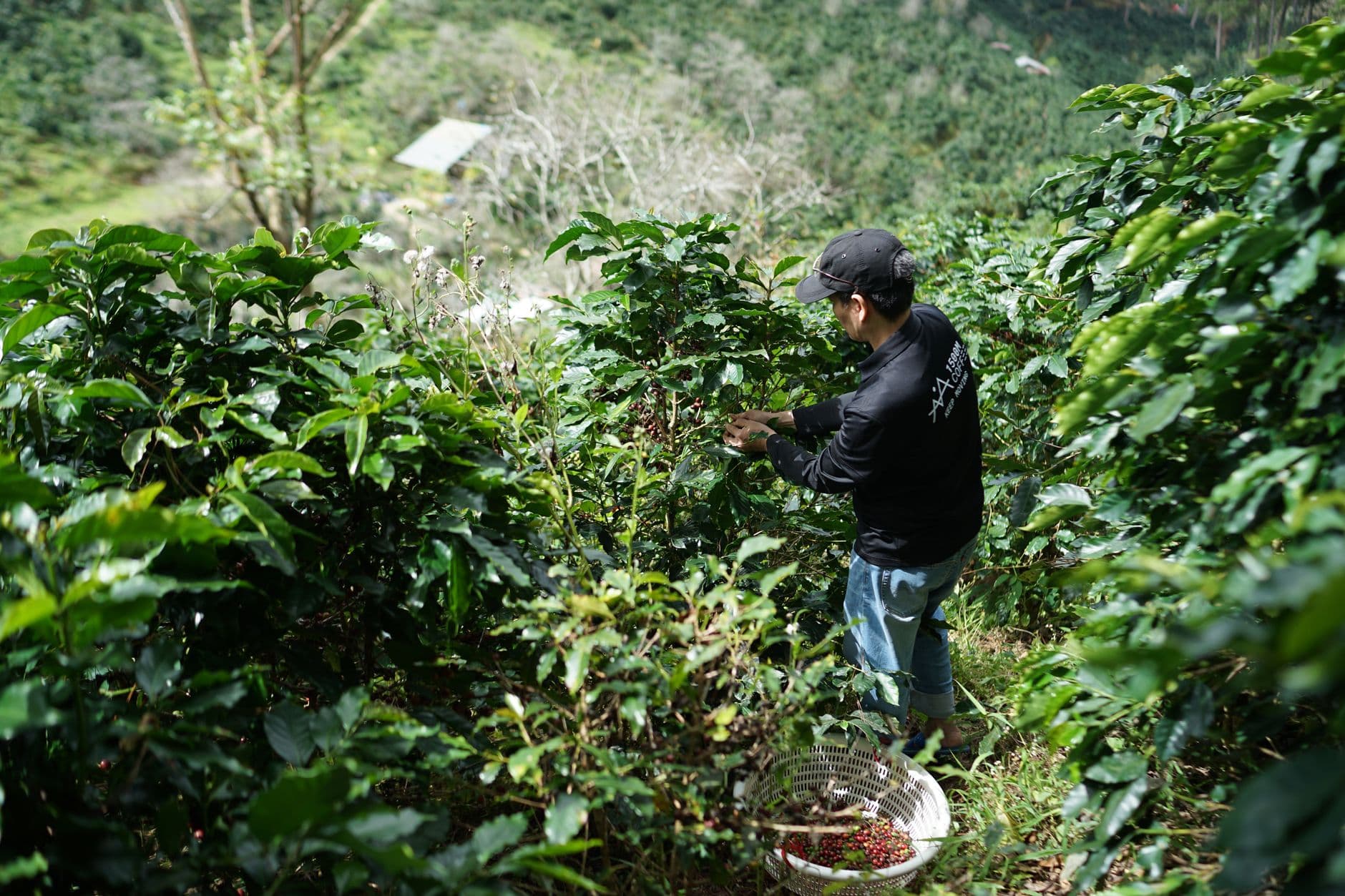
Grading & Quality Standards for Mexican Coffee
Mexican coffee is graded primarily by altitude, following the Altura classification: Altura (high-grown, generally above 900–1,000m, the standard export specification for quality-focused buyers) down through Prima Lavado and Buen Lavado for lower-altitude commercial grades. Screen size and defect count are assessed alongside altitude grading through cooperative and exporter quality control processes. Because so much Mexican production is organic-certified, certification documentation is frequently as central a specification as altitude grade — Candora Trading sources against buyer-specified altitude grade, region, and certification status together.
Sourcing Mexican Coffee Wholesale: Your Options
The dominant sourcing structure in Mexico, particularly in Chiapas and Oaxaca, is through cooperative unions — federations of indigenous smallholder cooperatives that consolidate, process, and export under joint organic and Fairtrade certification programmes, similar in structure to Peru's cooperative model. Veracruz has a somewhat more mixed structure including larger private exporters alongside cooperatives. Candora Trading works with established Mexican cooperative unions and exporters across all three main producing states, managing certification documentation and quality consistency on the buyer's behalf.
MOQ, Order Sizes and Pricing
Pilot orders for Mexican coffee start from a single pallet (roughly 300–600kg, or 5–10 x 69kg bags), suited to brands testing a certified regional lot. Standard programmes scale through part-container and full 20ft/40ft FCL shipments. Pricing reflects the ICE Arabica benchmark plus an altitude/region differential, with organic and Fairtrade certified lots carrying an additional premium to cover certification costs and cooperative minimum-price commitments — buyers should factor this into programme budgeting from the outset, as with Peru.
Have questions before you keep reading?
Get pricing, MOQs and lead times for your market.
Lead Times, Logistics and Shipping from Mexico
Mexican coffee exports primarily through the Port of Veracruz on the Gulf coast, with proximity to the US market giving Mexico among the shortest transit times of any origin for North American buyers. Ocean freight transit runs approximately 1–2 weeks to the US Gulf Coast, 2–3 weeks to the US East Coast, and 3–4 weeks to Europe. From order confirmation, pilot pallet orders typically ship within 2–3 weeks; full container programmes run 4–7 weeks — Mexico's proximity makes it one of the fastest-turnaround Latin American origins for US-based buyers specifically.
Certifications and Documentation to Verify
Standard documentation includes cooperative or exporter export certification, Certificate of Origin, phytosanitary certificate, and a cupping report tied to region and altitude grade. For certified lots, buyers should request organic certification documentation (USDA Organic and/or EU Organic depending on destination market) and Fairtrade certificate numbers where applicable, traceable to the specific cooperative union. Candora Trading verifies and supplies full certification documentation for every certified lot supplied.
Harvest Calendar and Availability
Mexico's harvest runs November through March, with peak picking in December and January across the main producing states. Fresh crop typically reaches export condition from January through April, broadly overlapping with the Guatemalan and Honduran harvest windows given Chiapas's shared border geography with Guatemala.
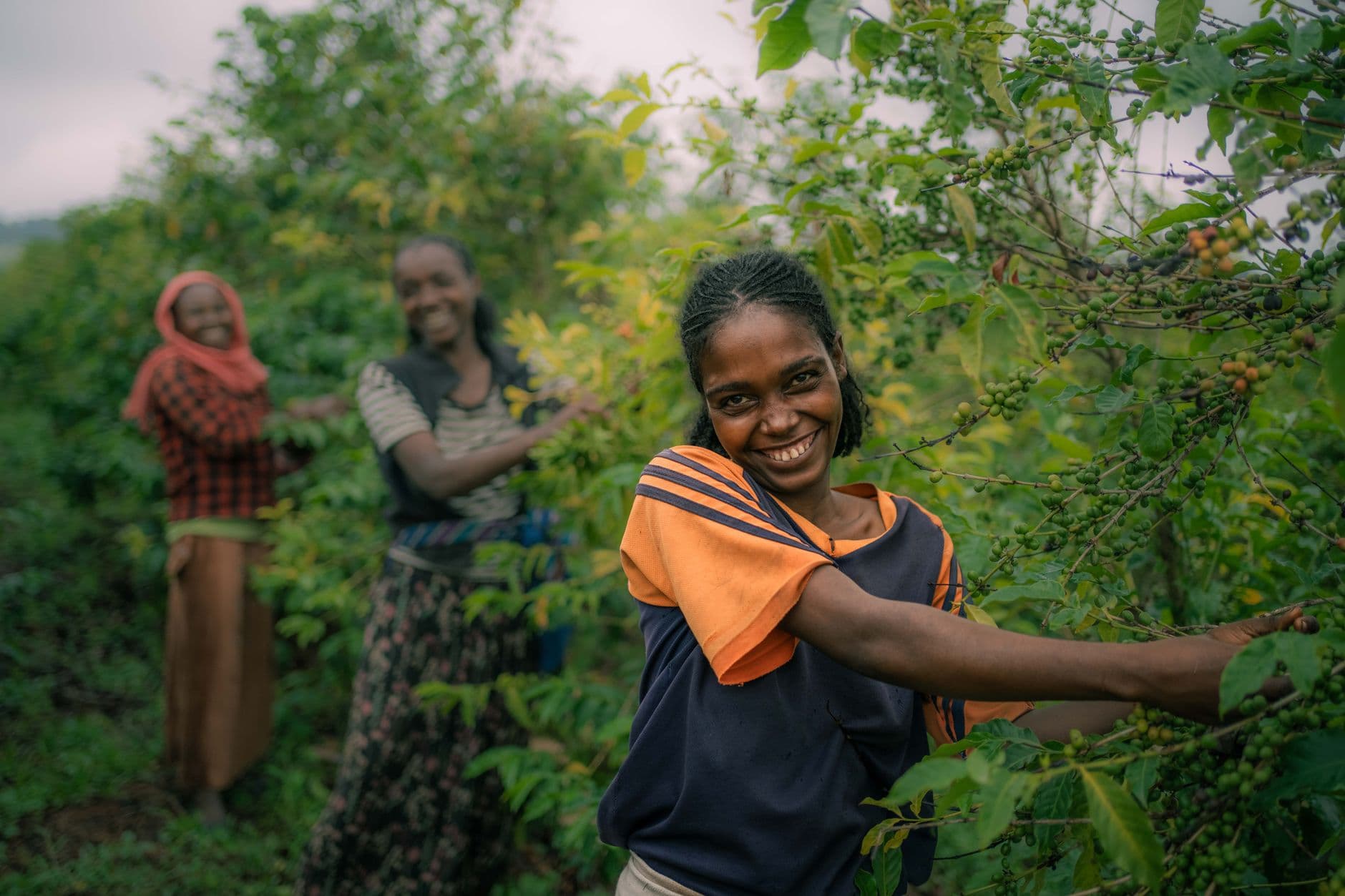
Why Work With Candora Trading for Mexican Coffee
Candora Trading sources Mexican coffee specifically for buyers whose product lines require organic or Fairtrade certification at meaningful scale, working with established cooperative unions across Chiapas, Veracruz, and Oaxaca. We manage documentation and quality consistency across shipments, with pilot-pallet entry points for testing and full container capacity — plus the shortest US transit times of any Latin American origin — for established certified programmes.
FAQ
Frequently asked questions
Pilot orders start from a single pallet — roughly 300–600kg or 5–10 x 69kg bags. Standard programmes scale to part-container and full 20ft/40ft FCL shipments.
A substantial share of Mexican production, concentrated in Chiapas and Oaxaca smallholder cooperatives, is organic certified or grown under organic-equivalent practices. Mexico is one of the two largest global sources of certified organic coffee alongside Peru.
Altura ("highland") is Mexico's premium altitude-based grade classification, generally applied to coffee grown above 900–1,000m, and is the standard export specification for quality-focused buyers.
Ocean freight runs approximately 1–2 weeks to the US Gulf Coast, 2–3 weeks to the US East Coast, and 3–4 weeks to Europe from Veracruz — among the fastest transit times of any Latin American origin for North American buyers.
Generally mild, well-balanced, and clean, with light-medium body and moderate acidity — a dependable blend base and a credible organic single-origin offering.
Yes. We source against named region — Chiapas, Veracruz, or Oaxaca — for buyers who want defined regional and cooperative sourcing alongside certification requirements.
November through March, peaking in December and January. Fresh crop reaches export condition from January through April.
Ready to get started?
Contact our team to discuss volumes, pricing, and supply structures for your market.
Related
Explore more
Coffee
Peru Coffee Wholesale: Sourcing Organic and Fairtrade Arabica
Coffee
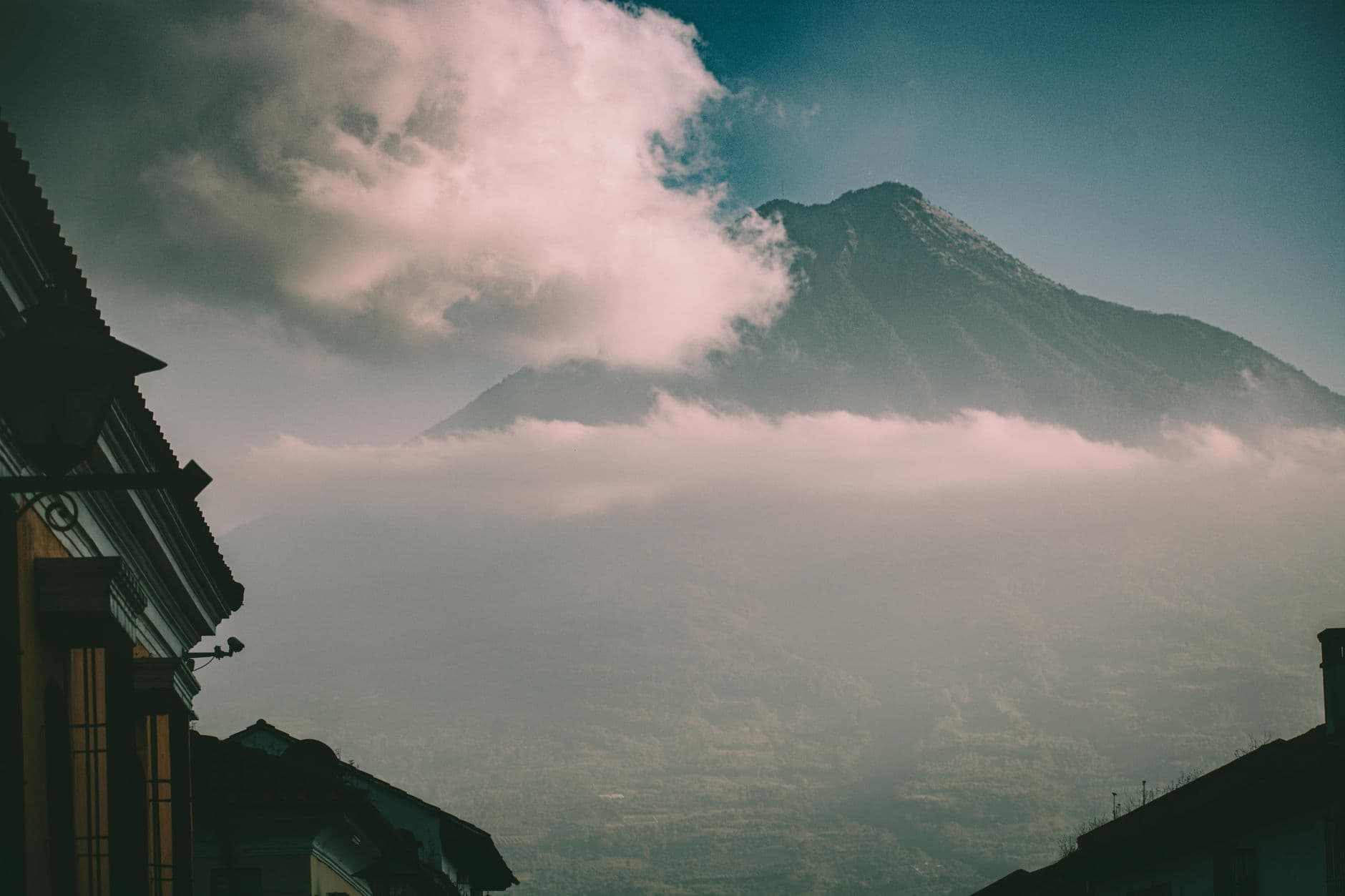
Guatemala Coffee Wholesale: Sourcing High-Grown Arabica From Eight Distinct Regions
Coffee
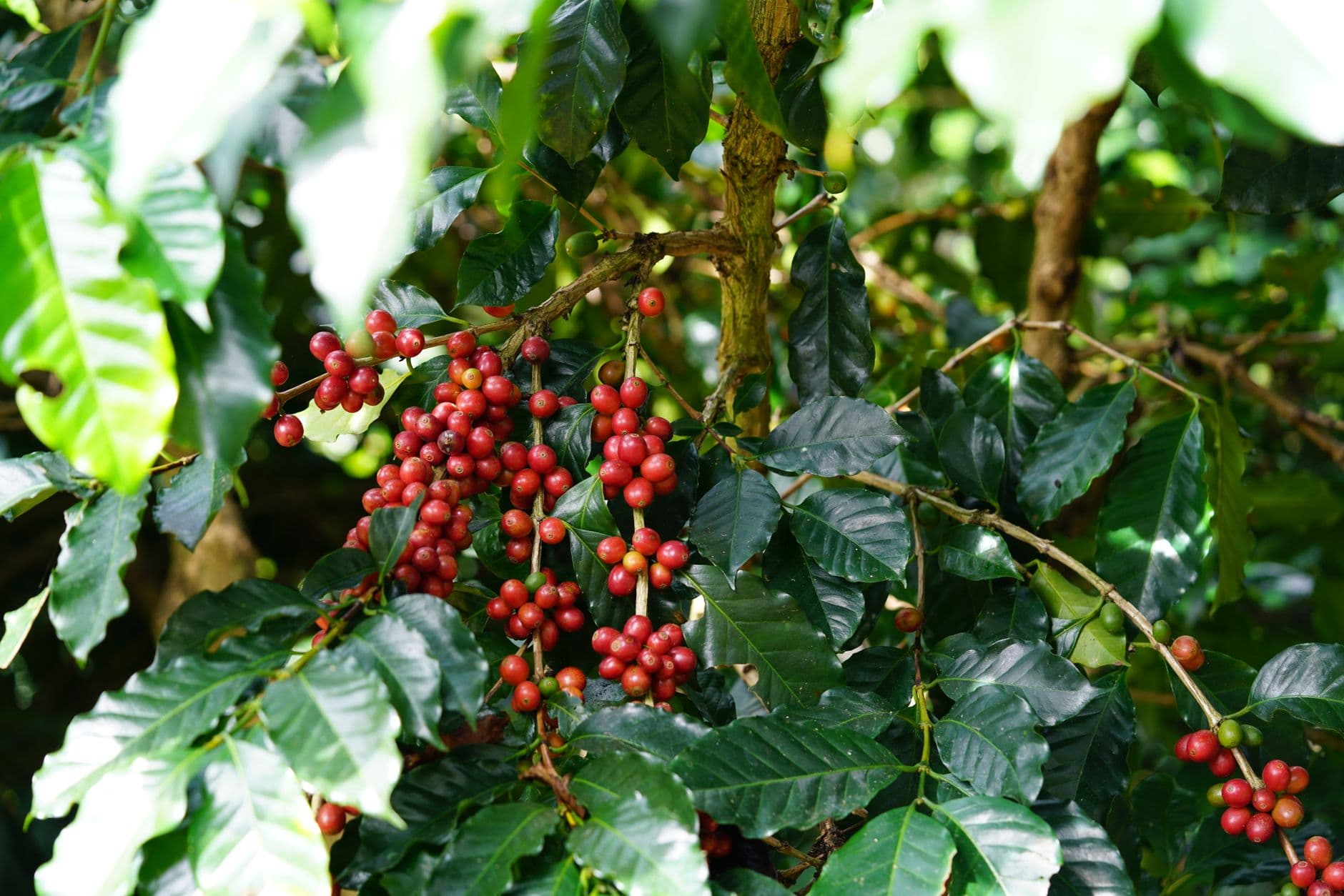
Nicaragua Coffee Wholesale: Sourcing an Undervalued High-Altitude Origin
Coffee
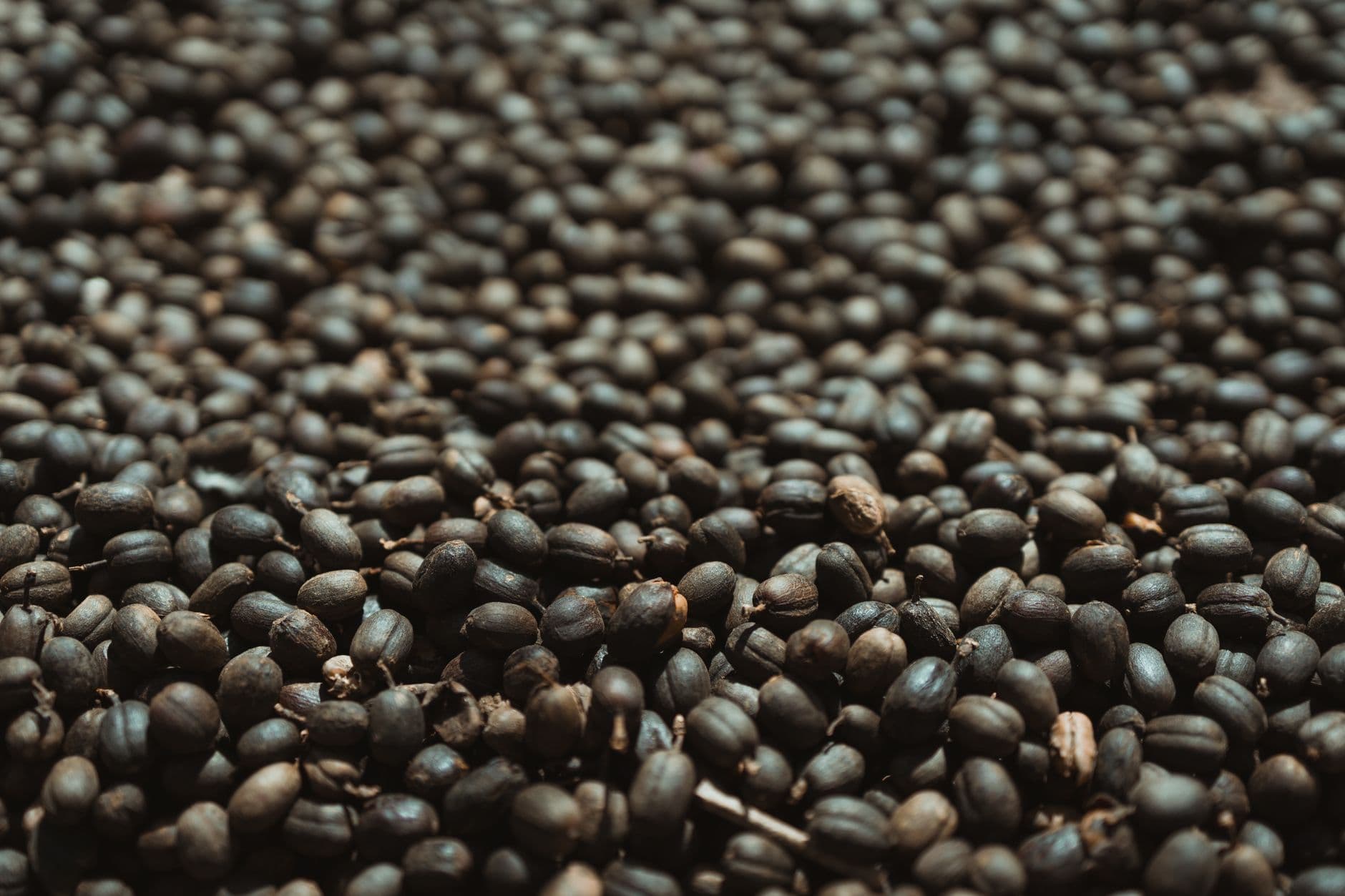
Coffee Wholesale: Green Coffee Sourcing by Origin
Coffee
Become a Coffee Supplier: Sell Green Coffee Beans to Candora Trading
Confectionery
Become a Supplier Partner: Expand Your Global Reach with Candora Trading