Inventory Management Software for Wholesale
Wholesale candy inventory software needs to solve a different problem than retail inventory software — the core challenge at wholesale scale is managing case-pack and pallet-level units across multiple customer accounts and shipment lanes, not SKU-level shelf tracking.
 By Rikard Kunsinsh, Candora TradingPublished April 18, 2026
Why Wholesale Inventory Differs From Retail Inventory
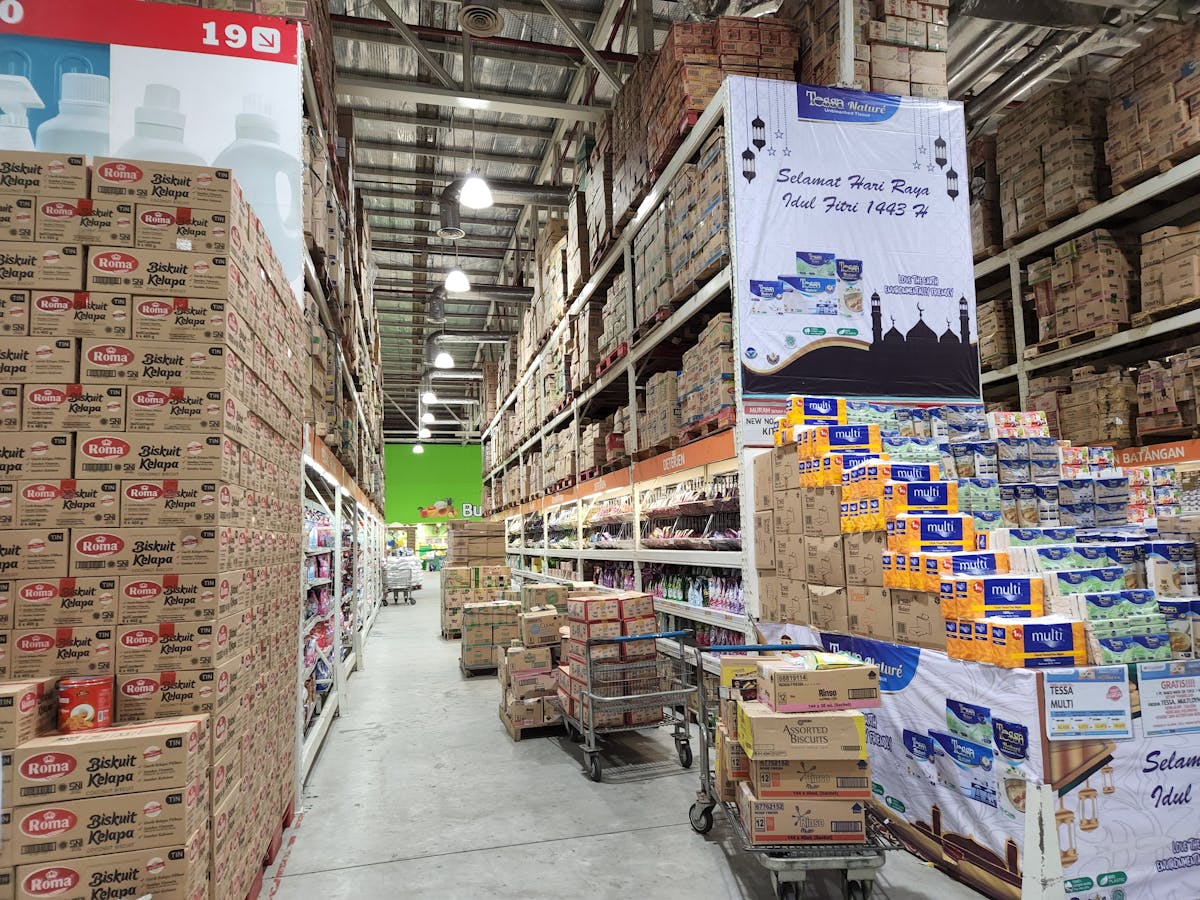
Wholesale operations track inventory in case packs and pallets moving toward specific customer orders and shipment lanes, rather than individual units moving across a single storefront's shelves — this changes what the software actually needs to do: multi-location warehouse tracking, customer-specific order allocation, and outbound logistics integration matter more than shelf-level reorder points.
Core Features That Matter at Wholesale Scale
Batch/lot tracking (for expiration date management across large volumes), multi-warehouse visibility (if operating more than one distribution point), customer-specific pricing and minimum order quantity enforcement, and integration with outbound shipping/logistics systems are the features that differentiate wholesale-grade inventory software from retail-grade software, which often lacks these entirely.

EDI Integration for Larger Customer Accounts
Wholesale customers above a certain size (major retail chains, large distributors) frequently require EDI (Electronic Data Interchange) integration for purchase orders, invoicing, and shipment confirmation — inventory software that can't support EDI integration becomes a genuine barrier to winning larger accounts, regardless of how well it handles inventory tracking itself.
Software Options by Wholesale Operation Size
Smaller wholesale operations (single warehouse, under a few hundred SKUs) can often use mid-tier inventory management software with wholesale-specific features ($200-$1,000/month); larger multi-warehouse operations typically need a full ERP system with integrated inventory, order management, and logistics modules ($5,000-$50,000+ depending on scale) to handle the coordination complexity.
Implementation Sequencing
For a wholesale operation migrating from spreadsheet or basic accounting-software inventory tracking, the typical implementation sequence is: batch/lot tracking first (addresses the most acute expiration-risk problem), then customer-order allocation, then EDI integration last (since it depends on the other systems being stable first) — attempting all three simultaneously is a common cause of implementation failure.
FAQ
Frequently asked questions
Retail software is built around shelf-level unit tracking at a single storefront; wholesale operations need case-pack/pallet tracking across multiple warehouses and customer-specific order allocation, which most retail-grade software doesn't handle.
When pursuing larger customer accounts — major retail chains and large distributors frequently require EDI for purchase orders and invoicing, and inventory software without EDI support becomes a real barrier to winning those accounts.
Ready to get started?
Contact our team to discuss volumes, pricing, and supply structures for your market.