Halal & Kosher Certification Process
Halal and kosher certification for candy is genuinely more involved than for many other food categories, because the single most common candy ingredient issue — gelatin — sits directly at the center of both certification systems' scrutiny, and the wrong sourcing choice here can block certification entirely regardless of every other ingredient being compliant.
 By Rikard Kunsinsh, Candora TradingPublished April 18, 2026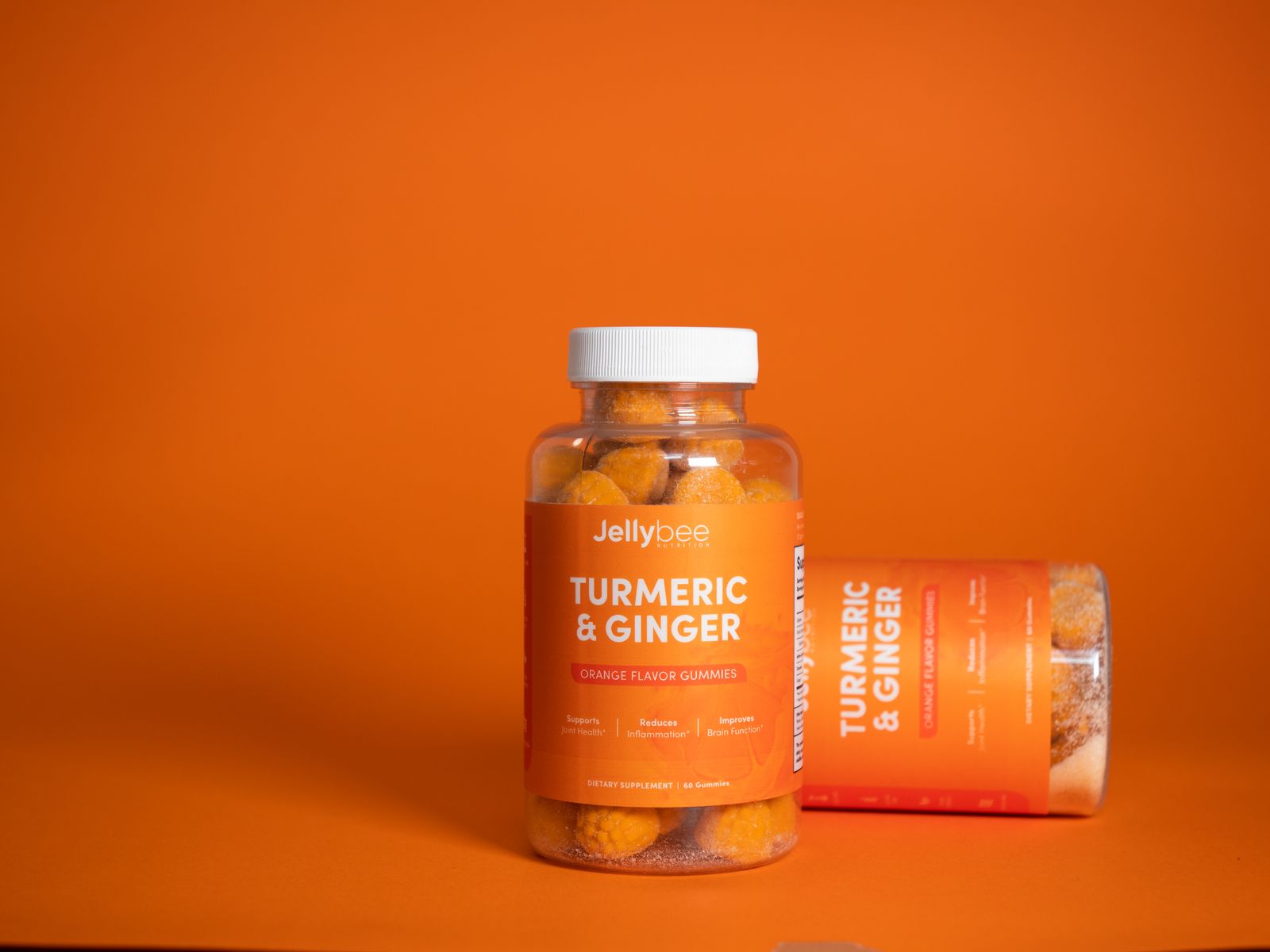
Why Gelatin Is the Central Issue for Candy Specifically
Standard gelatin is typically derived from pork or non-halal/non-kosher-slaughtered animal sources, which makes it the single most common disqualifying ingredient in candy-specific halal and kosher certification — compliant gummy candy needs either halal-slaughtered bovine gelatin, kosher-certified gelatin, or a plant-based alternative (pectin) to qualify, and this decision needs to be made at the formulation stage, not discovered during a certification audit.
Halal Certification: Bodies and Regional Recognition
Halal certification isn't a single global standard — different certification bodies are recognised in different markets (for example, JAKIM certification carries specific weight for Malaysia, while Gulf state markets often look for their own recognised certifiers), so buyers should confirm which specific certification is recognised in their actual target market rather than assuming any halal certificate is universally accepted.
Kosher Certification: Bodies and What They Check
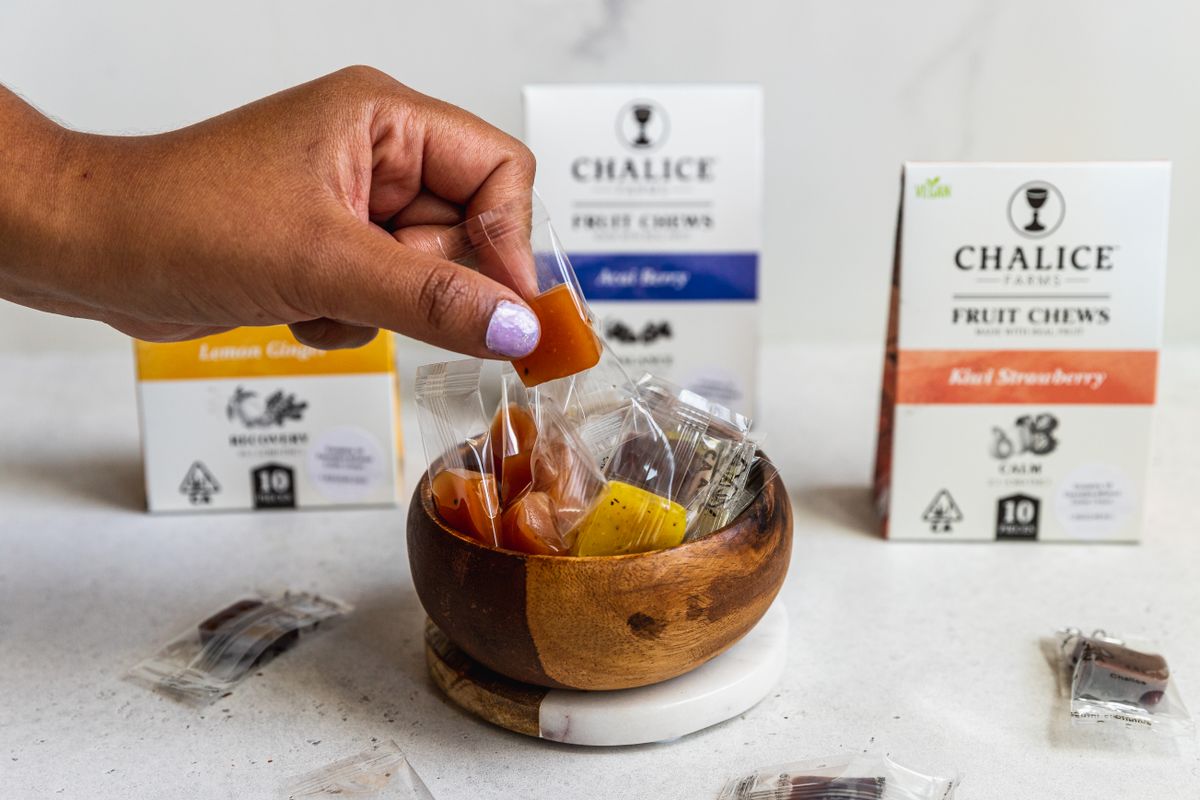
Kosher certification (commonly through bodies like OU, OK, or Star-K, among others) checks not just ingredients but production equipment and process — shared equipment with non-kosher production can be a disqualifying factor depending on the specific certifying body's standards, which is worth clarifying with the certifier directly before assuming a facility qualifies.
Formulation and Supply Chain Verification
Both certifications require verifying the full ingredient supply chain, not just the finished recipe — the gelatin supplier's own certification, sourcing, and processing all need to be verified and documented, since a compliant recipe using a non-verified gelatin source still fails certification.
Have questions before you keep reading?
Get pricing, MOQs and lead times for your market.
Production Line and Facility Considerations
Depending on the specific certifying body's requirements, dedicated production runs, equipment cleaning protocols between compliant and non-compliant production, or in some cases entirely separate production lines may be required — this is a genuine operational and cost consideration to confirm early, not an assumption to make.
Realistic Certification Timelines
Timeline depends heavily on whether the facility already uses compliant ingredients and processes — a facility already using halal-certified gelatin or pectin-based formulations can certify faster than one needing to reformulate and requalify supply chains first, which can add months to the process.

Maintaining Certification
Both halal and kosher certifications typically require periodic renewal and ongoing supply chain verification — a change in gelatin supplier, for instance, can require re-verification even mid-certification-cycle, so supply chain changes need to be flagged to the certifying body proactively.
FAQ
Frequently asked questions
Standard gelatin is typically derived from pork or non-compliant animal sources, making it the most common disqualifying ingredient in candy specifically. Compliant options are halal-slaughtered or kosher-certified gelatin, or pectin-based plant alternatives — this needs deciding at formulation, not discovered during audit.
No — different certification bodies carry different recognition in different markets (for example, specific certifiers matter more for Malaysia versus Gulf state markets). Confirm which certification is actually recognised in your target market.
Yes — production equipment and process matter too. Shared equipment with non-kosher production can be disqualifying depending on the certifying body's standards, which is worth clarifying directly with the certifier.
Depends heavily on current formulation — a facility already using compliant gelatin or pectin can certify faster than one needing to reformulate and requalify its supply chain first, which can add months.
Ready to get started?
Contact our team to discuss volumes, pricing, and supply structures for your market.