Gummy Wholesale for Independent retailers: Complete Guide
Independent retailers have unique sourcing requirements, operational constraints, and profitability models. This guide covers sourcing strategy, supplier selection, negotiation, and ROI modeling.
 By Rikard Kunsinsh, Candora TradingPublished April 18, 2026
Independent Retailers Market Landscape
Independent retailers make sourcing decisions directly at the owner-operator level rather than through a corporate procurement process, which means decisions move faster but volume — and therefore negotiating leverage — is naturally lower than a chain's. For independent retailers sourcing gummy, this context shapes realistic supplier expectations from the outset — a sourcing strategy built for one buyer scale in this guide doesn't transfer cleanly to another.
Independent Retailers-Specific Sourcing Requirements
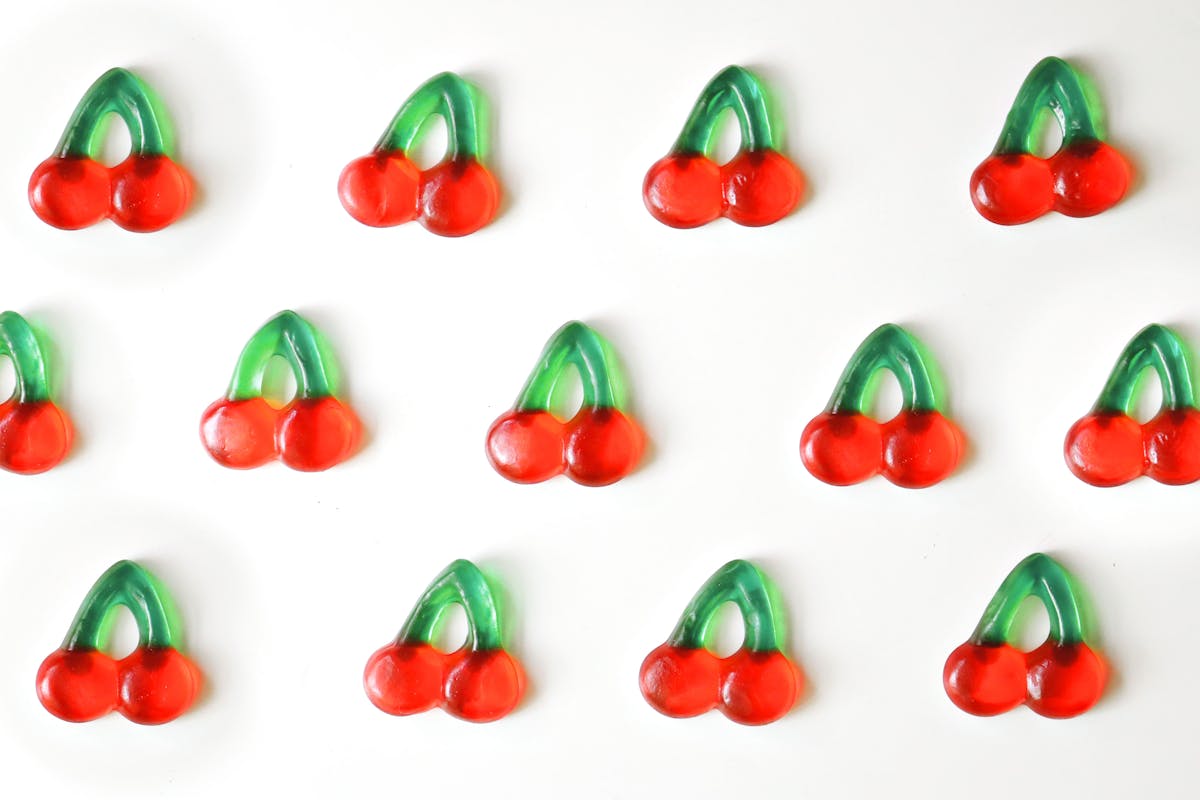
Independent retailers sourcing gummy face the same MOQ mismatch as with chocolate — factory minimums are sized for chain volume — but gummy's lower per-unit cost and broader shape/flavor variety make combining multiple gummy SKUs into one order from a distributor a particularly practical way to hit minimums while still building a varied, distinctive bulk or bagged assortment. Limited shelf space and cash flow again favor smaller, more frequent restocks over a single large seasonal order, and because gummy assortments turn over on novelty and variety, frequent smaller orders also let an independent retailer rotate in new shapes and flavors more often than a chain's standardized planogram would allow.
Supplier Selection for This Buyer Type
Distributors and wholesalers who stock a wide bench of gummy SKUs — shapes, flavors, sour coatings, private-label options — and who will ship mixed-case or mixed-pallet orders are a better fit for independent retailers than direct factory relationships, which are typically sized for much larger buyers. Gummy's breadth of available formats makes supplier variety especially valuable here: an independent retailer curating a locally distinctive candy wall benefits from a distributor who carries niche or import gummy lines a chain buyer's standardized program wouldn't include, giving the store a selection edge a nearby chain competitor can't easily match.
Negotiation & Contract Strategy
As with chocolate, an independent retailer's negotiating leverage on gummy comes from relationship and reliability rather than volume — a single, trusted sales contact who proactively surfaces new flavors, closeouts, or seasonal gummy lines is worth more than any single price negotiation. Because gummy is lower-cost and higher-turnover than chocolate, smaller and more frequent reorders are especially natural here: they let the store test new SKUs at low risk and keep cash flow tight, even though a distributor may nominally offer better per-unit pricing on a larger standing commitment.
Operational Integration
Gummy's shelf stability makes it somewhat easier to integrate into a single-location retailer's day-to-day operations than chocolate — less risk from a missed rotation cycle — but the same owner-operator constraints apply: limited backroom and shelf space push toward smaller, more frequent restocks rather than deep standing inventory. Because gummy assortments benefit from variety and novelty, frequent reordering also doubles as a merchandising tool, letting the owner refresh the bulk bins or shelf selection regularly rather than committing shelf space to a large single order for months at a time.
Profitability & Financial Modeling
Gummy's lower landed cost per unit compared to chocolate gives independent retailers a bit more room in the margin structure, and retail-level margins here sit at the higher end of the ranges in this guide, consistent with direct-to-consumer positioning. As with chocolate, purchasing-side unit economics are worse than a chain's due to smaller orders and distributor markups, so the realistic model favors smaller, frequent orders that preserve cash flow and shelf flexibility over chasing the lower per-unit cost of a large standing commitment — particularly since gummy's appeal to independent shoppers often rests on a frequently refreshed, locally curated selection rather than a fixed standardized assortment.
FAQ
Frequently asked questions
Depends on volume and sophistication. Large: direct factory. Medium: distributors and wholesalers. Small: retailers and aggregators.
50/50 deposit/delivery common. Net 30-45 for established accounts with volume commitments.
Yes, especially at scale. Exclusive SKUs, territorial rights, or distributor exclusivity. Requires meaningful volume commitment.
Wholesale: 20-40% gross. Retail: 50-75%. Net margins 15-50% depending on operations and scale.
Share sales data and feedback. Commit to volumes. Pay on time. Provide growth runway and partnership mindset.
Ready to get started?
Contact our team to discuss volumes, pricing, and supply structures for your market.
Related
Explore more

Wholesale
Chocolate Wholesale for Independent retailers: Complete Guide

Wholesale
Licorice Wholesale Strategy: Complete Sourcing Guide

Wholesale
Netherlands Gummy Wholesale: Complete Sourcing Guide for Global Buyers

Wholesale
Hotel & Hospitality Candy Wholesale: Premium Sourcing for Luxury Operations

Wholesale
Nordic Gummy Wholesale: Complete Sourcing Guide for Global Buyers