Costa Rica Coffee Wholesale: Sourcing 100% Arabica From a Specialty-First Origin
Costa Rica is the only major coffee-producing country where growing Robusta is illegal by law — a policy decision made decades ago that positioned the entire national industry around Arabica quality. Combined with a thriving micro-mill movement that gives individual farms direct control over processing, Costa Rican coffee wholesale offers buyers an unusually high floor of quality and process diversity, from clean washed lots to increasingly popular honey-processed coffee. Candora Trading sources Costa Rican green coffee from vetted exporters and micro-mills across Tarrazú, the Central Valley, and West Valley, with programmes structured from pallet-level pilot orders through to full container shipments out of Puerto Limón.
Costa Rica Coffee: Origin Profile
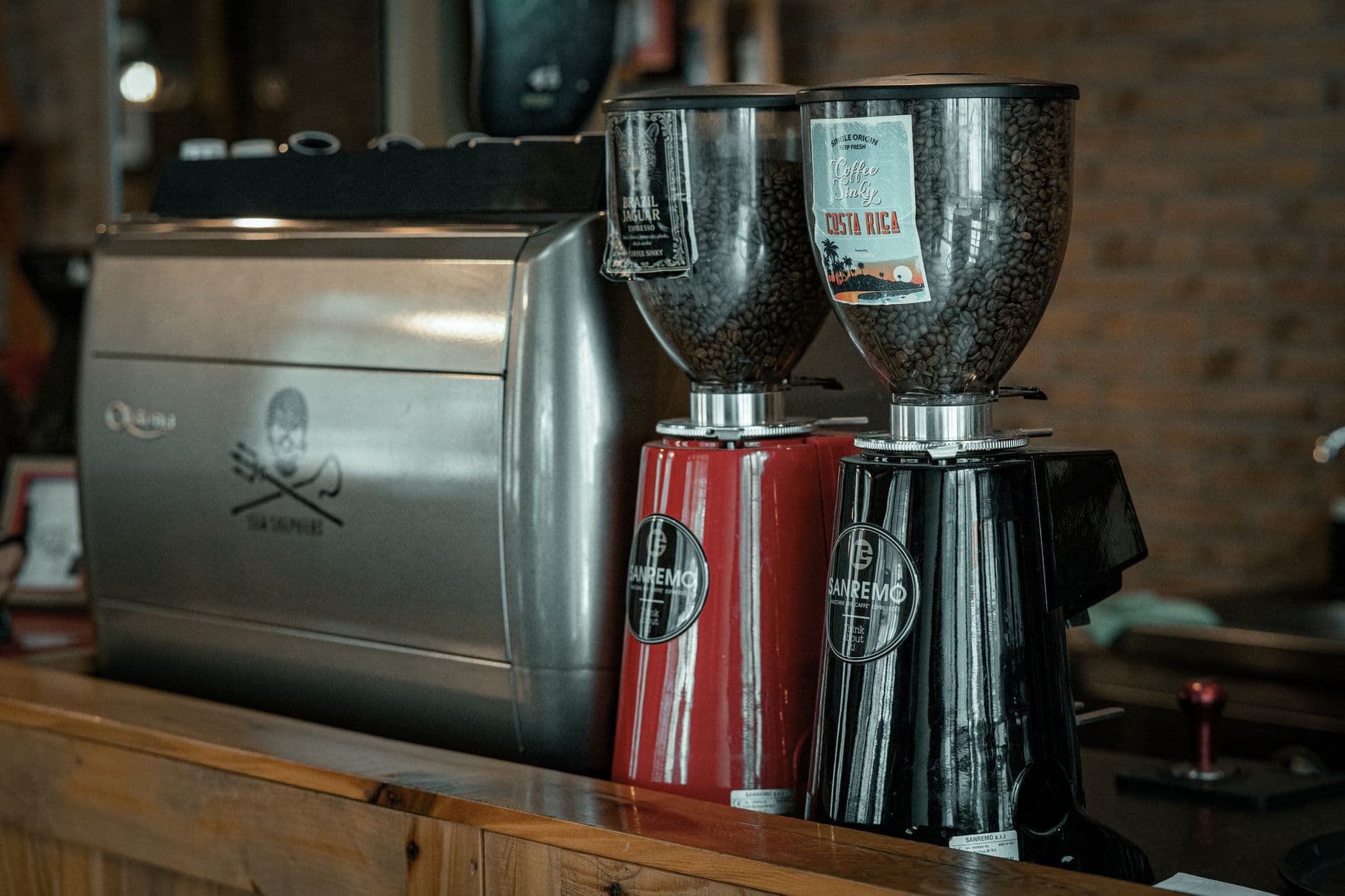
Costa Rica has eight officially recognised coffee-growing regions: Tarrazú (the most internationally recognised, high altitude with bright acidity and full body — often considered the country's flagship region), Central Valley and West Valley (the historic heartland around San José, balanced and versatile), Tres Ríos, Orosi, Turrialba, Brunca, and Guanacaste. Because Robusta cultivation has been banned nationally since the 1980s, every Costa Rican lot is Arabica, grown at altitudes typically between 1,200–1,900m. The country's micro-mill movement — thousands of small, farm-level wet mills processing cherry from a single farm or small group of neighbouring farms — has driven significant process innovation, particularly honey processing (partial removal of the fruit mucilage before drying), which sits between fully washed and natural in both process and cup character.
Costa Rica Coffee Wholesale Market
Costa Rica exports a comparatively modest 1–1.2 million 60kg bags annually, reflecting a deliberate national strategy of prioritising quality and price-per-bag over raw volume — Costa Rica routinely achieves among the highest average export prices of any origin. This makes it less of a bulk-commodity source and more of a premium, quality-first origin: buyers sourcing Costa Rican coffee are generally doing so specifically for cup quality and process diversity rather than cost efficiency.
Grading & Quality Standards for Costa Rican Coffee
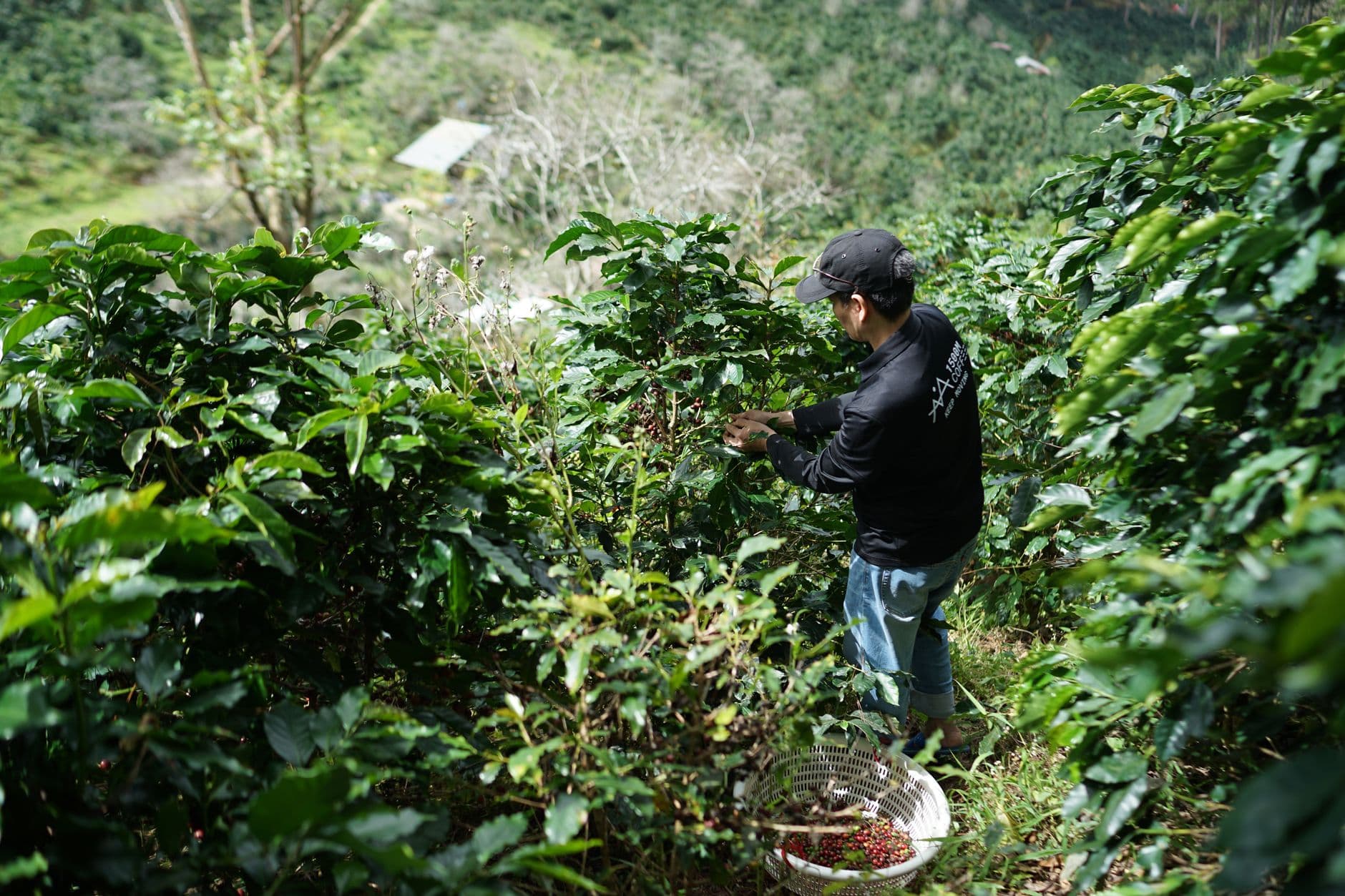
Costa Rica uses the same altitude-based grading convention as Guatemala and Honduras: Strictly Hard Bean (SHB, above roughly 1,200m depending on region) is the premium grade and default specification for most wholesale and specialty buyers, with lower grades used for coffee grown at lower elevations. Beyond altitude grading, processing method (washed, honey — further subdivided into yellow, red, and black honey based on how much mucilage is retained — or natural) is a critical specification, since Costa Rican micro-mills often produce multiple processing variants from the same farm and variety. Candora Trading sources against buyer-specified altitude grade, region, and processing method.
Sourcing Costa Rican Coffee Wholesale: Your Options
Costa Rica's micro-mill structure means buyers can source from individual named mills for highly traceable, small-lot programmes, through regional cooperative exporters for consolidated volume, or through a trading partner managing relationships across multiple mills. Given the sheer number of active micro-mills (well over 200 nationally), building direct relationships across multiple farms is impractical for most wholesale buyers — Candora Trading works with established exporters who maintain relationships across Tarrazú, Central Valley, and West Valley micro-mills, giving buyers access to specific regional and process profiles without managing dozens of individual mill relationships.
MOQ, Order Sizes and Pricing
Pilot orders for Costa Rican coffee start from a single pallet (roughly 300–600kg, or 5–10 x 69kg bags), well suited to the smaller-lot nature of micro-mill production — many individual mills don't produce container-scale volume of any single lot in the first place. Standard programmes scale through part-container and full 20ft/40ft FCL shipments, typically blending multiple mills or regions to reach volume. Pricing reflects Costa Rica's premium positioning — SHB washed lots command a solid premium over the ICE benchmark, and honey and natural process lots from named micro-mills command a further premium given their more limited production volume and specialty demand.
Have questions before you keep reading?
Get pricing, MOQs and lead times for your market.
Lead Times, Logistics and Shipping from Costa Rica
Costa Rican coffee exports primarily through Puerto Limón on the Caribbean coast and Puerto Caldera on the Pacific side. Ocean freight transit runs approximately 2–3 weeks to the US Gulf and East Coast, 3–4 weeks to Europe, and 5–6 weeks to Asia-Pacific. From order confirmation, pilot pallet orders typically ship within 3–4 weeks (consolidating specific micro-mill lots can add a little time versus larger, more centralised origins); full container programmes run 5–8 weeks.
Certifications and Documentation to Verify
Standard documentation includes ICAFE (Instituto del Café de Costa Rica) export certification, Certificate of Origin, phytosanitary certificate, and a cupping report identifying the specific mill, region, and processing method. Rainforest Alliance certification is well established across Costa Rican farms given decades of sustainability investment, and organic-certified lots are available from a smaller subset of producers, particularly in the Brunca and Turrialba regions. Candora Trading verifies mill-level traceability and certification status on every lot.
Harvest Calendar and Availability
Costa Rica's harvest runs November through March, with peak picking in December and January across most regions — higher-altitude Tarrazú lots are typically harvested slightly later in the window than lower-altitude Central Valley lots. Fresh crop generally reaches export condition from January through April. Given the micro-mill model, specific lot and processing-method availability should be confirmed directly each season, which Candora Trading tracks through its mill relationships.
Why Work With Candora Trading for Costa Rican Coffee
Costa Rica's micro-mill landscape offers real process and regional diversity, but it takes established in-country relationships to navigate efficiently. Candora Trading works with vetted exporters connected to micro-mills across Tarrazú, Central Valley, and West Valley, sourcing against your specified region, altitude grade, and processing method — with pilot-pallet entry points that match the smaller-lot nature of Costa Rican specialty production.
FAQ
Frequently asked questions
Pilot orders start from a single pallet — roughly 300–600kg or 5–10 x 69kg bags — which matches the smaller-lot nature of micro-mill production. Standard programmes scale to part-container and full 20ft/40ft FCL shipments, typically blending multiple mills.
No. Costa Rica has banned Robusta cultivation nationally since the 1980s to protect its Arabica quality reputation, so all Costa Rican coffee is 100% Arabica.
A processing method, common at Costa Rican micro-mills, where some or most of the fruit mucilage is left on the bean during drying rather than fully washed away. It sits between washed and natural in both process and cup character, producing a sweeter, fuller-bodied cup. Yellow, red, and black honey variants reflect increasing amounts of retained mucilage.
Strictly Hard Bean — the premium altitude-based grade, generally coffee grown above roughly 1,200m, following the same convention used in Guatemala and Honduras.
Ocean freight runs approximately 2–3 weeks to the US Gulf/East Coast, 3–4 weeks to Europe, and 5–6 weeks to Asia-Pacific from Puerto Limón or Puerto Caldera.
Yes. We work with exporters connected to micro-mills across Tarrazú, Central Valley, and West Valley and can source against a specific named mill and processing method for highly traceable programmes.
November through March, peaking in December and January, with higher-altitude Tarrazú lots typically harvested slightly later than lower-altitude Central Valley lots. Fresh crop reaches export condition from January through April.
Ready to get started?
Contact our team to discuss volumes, pricing, and supply structures for your market.
Related
Explore more
Coffee
Guatemala Coffee Wholesale: Sourcing High-Grown Arabica From Eight Distinct Regions
Coffee
Honduras Coffee Wholesale: Sourcing From Central America's Largest Producer
Coffee
Nicaragua Coffee Wholesale: Sourcing an Undervalued High-Altitude Origin
Coffee
Coffee Wholesale: Green Coffee Sourcing by Origin
Coffee
Become a Coffee Supplier: Sell Green Coffee Beans to Candora Trading
Confectionery
Become a Supplier Partner: Expand Your Global Reach with Candora Trading