Chocolate Wholesale for Distributors: Complete Guide
Distributors have unique sourcing requirements, operational constraints, and profitability models. This guide covers sourcing strategy, supplier selection, negotiation, and ROI modeling.
 By Rikard Kunsinsh, Candora TradingPublished April 18, 2026
Distributors Market Landscape
Distributors buy to resell, typically maintaining their own delivery logistics and account-managed relationships with a retail customer base — the sourcing decision here is really about finding supply that lets the distributor maintain a healthy margin layer once their own logistics and account-management costs are factored in. For distributors sourcing chocolate, this context shapes realistic supplier expectations from the outset — a sourcing strategy built for one buyer scale in this guide doesn't transfer cleanly to another.
Distributors-Specific Sourcing Requirements
Distributors need consistent product quality and supply reliability above almost everything else, since a distributor's own reputation with their retail customers depends entirely on the supplier behind them performing consistently — an unreliable upstream supplier becomes the distributor's problem to explain to every downstream account.

Supplier Selection for This Buyer Type
Distributors typically work with a small number of primary suppliers per category to maintain negotiating leverage and simplify their own logistics, rather than spreading volume thin across many suppliers — concentration here is usually a deliberate choice, not a risk oversight.
Negotiation & Contract Strategy
Distributors negotiate on volume like chains do, but the more distinctive lever is exclusivity — securing exclusive distribution rights for a product or brand within a defined territory is often worth more to a distributor's business model than marginal unit-price improvement.
Operational Integration
Because distributors manage their own delivery logistics to retail accounts, supplier lead-time reliability directly determines whether the distributor can hit their own delivery commitments — a distributor's operational planning is essentially built on top of their supplier's reliability.
Profitability & Financial Modeling
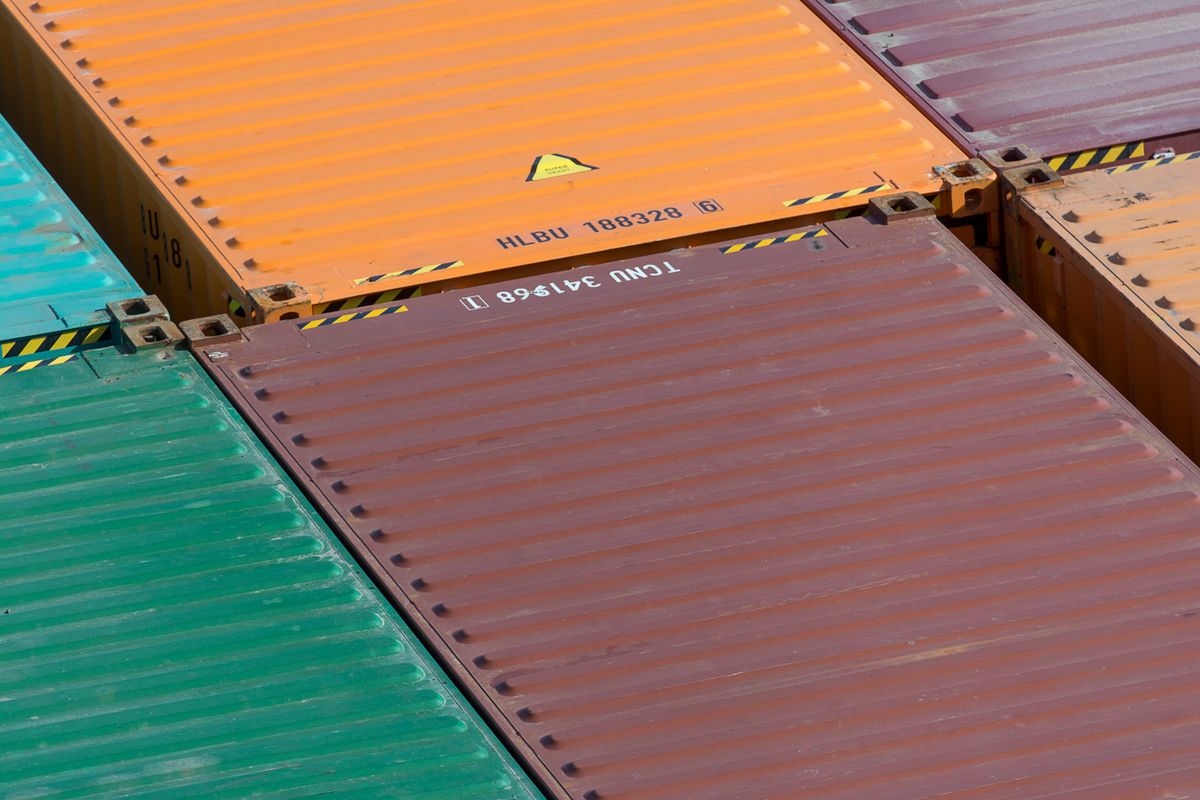
Distributor margins sit in the middle of the value chain — thinner than retail margins but earned on higher volume, with profitability depending heavily on logistics efficiency and account retention alongside the underlying product margin.
FAQ
Frequently asked questions
Depends on volume and sophistication. Large: direct factory. Medium: distributors and wholesalers. Small: retailers and aggregators.
50/50 deposit/delivery common. Net 30-45 for established accounts with volume commitments.
Yes, especially at scale. Exclusive SKUs, territorial rights, or distributor exclusivity. Requires meaningful volume commitment.
Wholesale: 20-40% gross. Retail: 50-75%. Net margins 15-50% depending on operations and scale.
Share sales data and feedback. Commit to volumes. Pay on time. Provide growth runway and partnership mindset.
Ready to get started?
Contact our team to discuss volumes, pricing, and supply structures for your market.
Related
Explore more
Wholesale
Chocolate Wholesale for Chains: Complete Guide

Wholesale
Chocolate Wholesale for Wholesalers: Complete Guide

Wholesale
Gummy Wholesale for Distributors: Complete Guide

Wholesale
Nordic Chocolate Wholesale: Complete Sourcing Guide for Global Buyers

Wholesale
France Gummy Wholesale: Complete Sourcing Guide for Global Buyers

Wholesale
Candy Importer Guide: How to Import Candy from Europe