CBD Candy: Sourcing & Compliance
CBD candy sourcing sits in one of the most legally fragmented corners of the confectionery category — the same product can be legal, restricted, or prohibited depending on jurisdiction, THC content, and whether it's classified as a food, supplement, or drug, so compliance research has to happen before sourcing, not after.
 By Rikard Kunsinsh, Candora TradingPublished April 18, 2026
The Core Legal Fragmentation Problem
In the US, hemp-derived CBD with under 0.3% THC is federally legal under the 2018 Farm Bill, but the FDA has not approved CBD as a food additive, and individual states have layered their own additional restrictions on top — this means federal legality does not guarantee state-level legality, and a product legal to sell in one US state can be prohibited in another.
THC Content as the Critical Compliance Threshold
The 0.3% THC-by-dry-weight threshold (in the US) is the single most important compliance number in CBD candy sourcing — a supplier's certificate of analysis (COA) confirming THC content below this threshold, from a third-party lab, is the minimum documentation needed before sourcing any CBD candy product, and should be requested per batch, not just once at supplier onboarding.

International Variation Is Even Wider Than US State Variation
Outside the US, CBD candy regulation varies enormously — some countries treat CBD products as novel foods requiring separate authorization (as in the EU under Novel Food regulations), others prohibit CBD in ingestible products entirely, and others have no clear framework at all — international CBD candy sourcing requires jurisdiction-specific legal confirmation before any shipment, not general research. Never used for actual legal advice.
Marketing Claim Restrictions
Regardless of underlying product legality, health or therapeutic claims on CBD candy packaging (claims about anxiety, pain, sleep, or other conditions) are separately regulated and commonly prohibited without specific drug approval — a compliant product can still create liability through non-compliant marketing claims, which is a distinct risk from the product's core legal status.
Working With Specialized Compliance Counsel
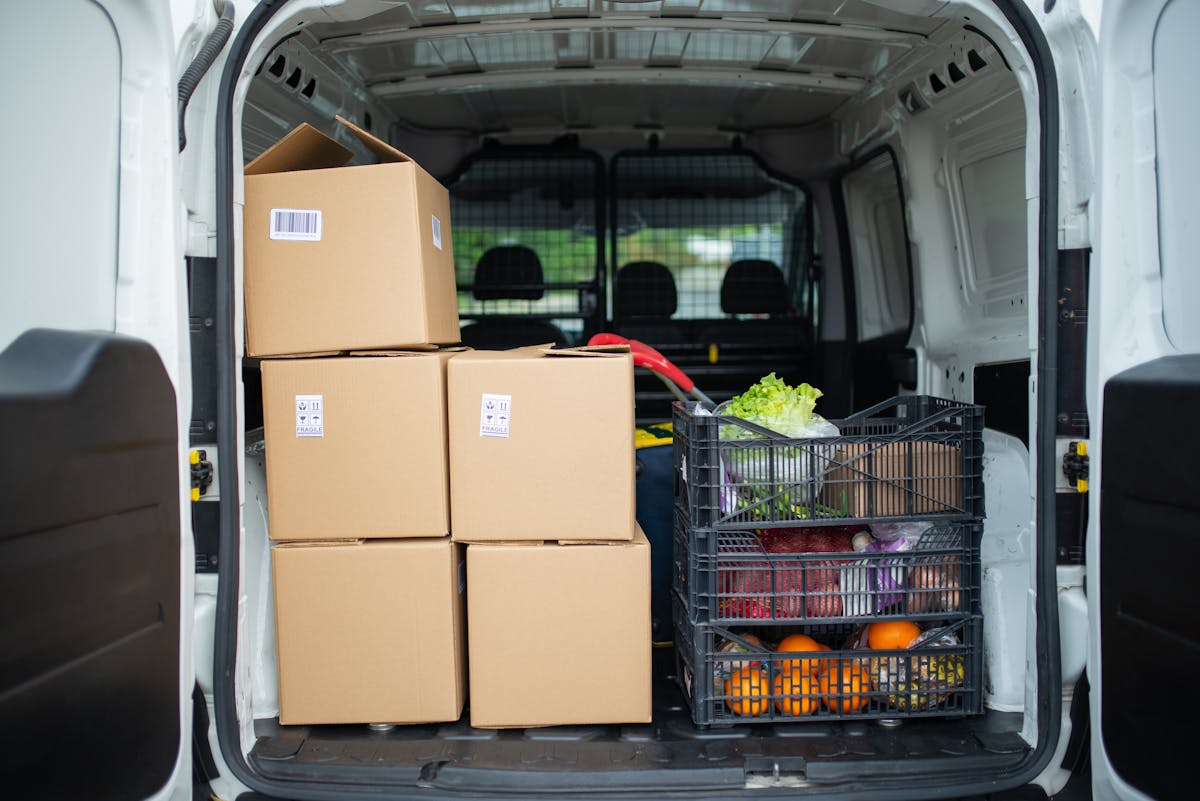
Given the fragmentation and rapid change in this specific regulatory area, CBD candy sourcing is one of the few categories on this site where generic compliance guidance genuinely isn't sufficient — buyers entering this category should budget for jurisdiction-specific legal review rather than relying on a supplier's general compliance assurances.
FAQ
Frequently asked questions
It depends on jurisdiction — hemp-derived CBD under 0.3% THC is federally legal, but the FDA hasn't approved CBD as a food additive and individual states impose their own additional restrictions, so federal legality alone doesn't guarantee a given state permits sale.
A third-party certificate of analysis (COA) confirming THC content below the applicable legal threshold, requested per batch rather than once at onboarding, since THC content can vary batch to batch even from the same formulation.
Ready to get started?
Contact our team to discuss volumes, pricing, and supply structures for your market.
Related
Explore more
Niches
Allergen-Free Candy Sourcing
Niches
Back-to-School Candy Sourcing

Specialty
Easter Candy Wholesale: Bulk Easter Sweets for Retailers and Distributors
Regional
European Candy Wholesale: Why International Buyers Choose European-Made Confectionery

Niches
Gluten-Free Candy Wholesale
Niches
Low-Sugar Wholesale: Sourcing & Pricing