Candy Supplier Zambia
Zambia's modern grocery sector is more developed than in many Southern African neighbours, anchored by South African retail groups Shoprite, Pick n Pay, and SPAR, all of which operate extensive store networks across Lusaka and the Copperbelt region. With 20 million consumers and steady economic growth tied to copper exports, Zambia offers reliable, established retail infrastructure — even though the country is landlocked and depends on South African or Tanzanian ports for import logistics.
 By Rikard Kunsinsh, Candora TradingPublished July 16, 2026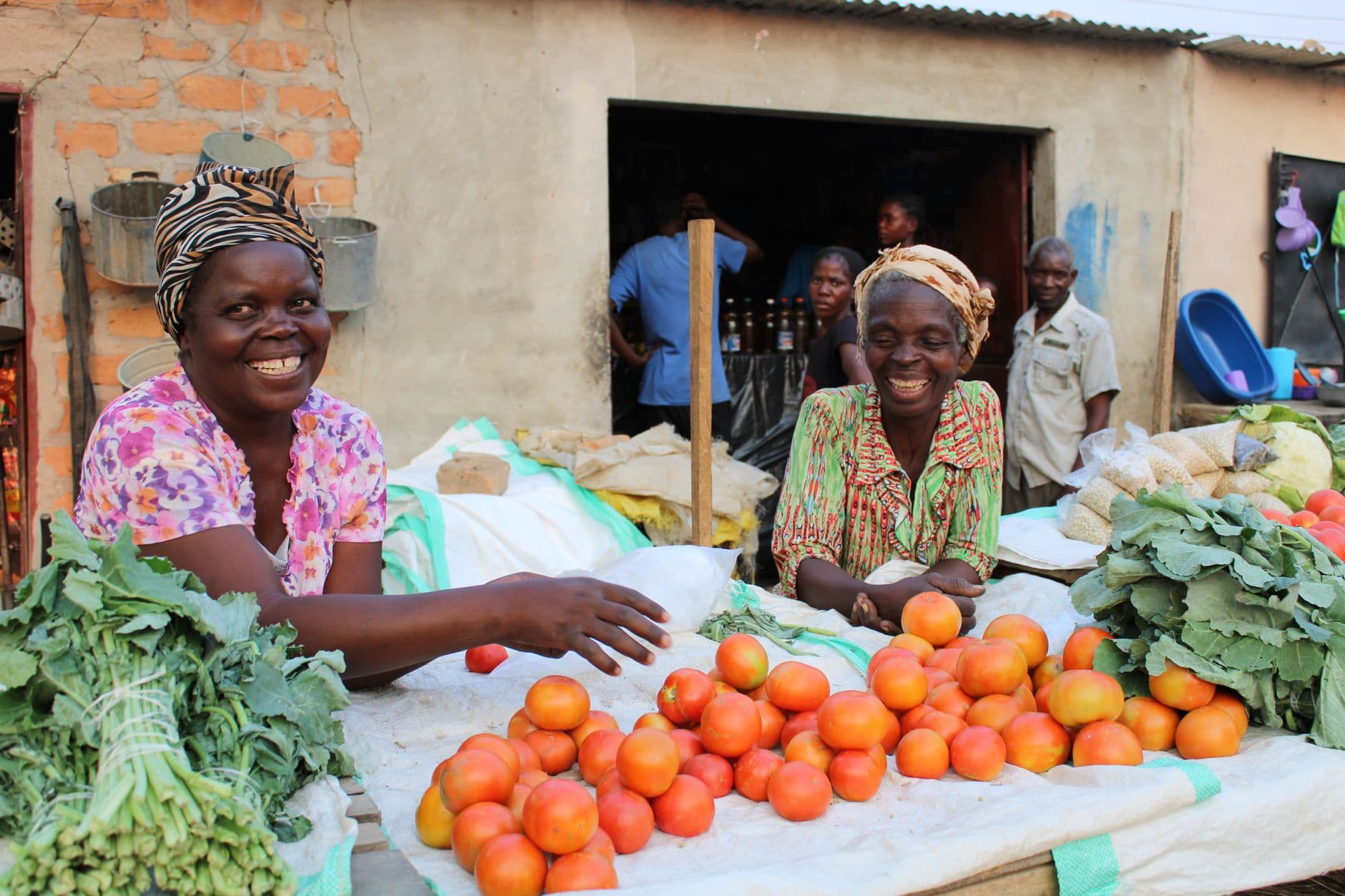
Zambia Candy Market
Zambia's grocery retail benefits from strong South African retail investment:
- Shoprite is Zambia's largest supermarket chain by store count, with a well-established imported-confectionery section
- Pick n Pay and SPAR both operate nationwide, particularly strong in Lusaka and the Copperbelt mining region
- Zambia is landlocked, so import freight typically routes through the South African port of Durban or, increasingly, the Tanzanian port of Dar es Salaam via the Copperbelt route
- The Copperbelt's relative prosperity, driven by copper mining, supports above-average confectionery spending outside the capital
Because South African retail chains already dominate Zambian grocery, product ranges and formats that perform well in South Africa translate reliably into the Zambian market.
Importing Candy into Zambia
Key requirements for importing candy into Zambia:
- ZABS registration — the Zambia Bureau of Standards requires imported food product registration
- Route planning — most import freight transits South Africa (via Durban) or increasingly Tanzania (via Dar es Salaam), adding transit time versus coastal markets
- English labelling — English is Zambia's official language, simplifying labelling versus Francophone or Arabic markets
- Certificate of origin — required for customs clearance at whichever border route is used

FAQ
Frequently asked questions
Most import freight transits either the South African port of Durban or, increasingly, the Tanzanian port of Dar es Salaam via the Copperbelt route — both add transit time compared to importing into a coastal market.
Shoprite, Pick n Pay, and SPAR — all South African retail groups — dominate Zambia's modern grocery sector, with strong coverage across Lusaka and the Copperbelt.
Generally yes. Because the same South African retail chains operate in both markets, product ranges and formats proven in South Africa tend to translate reliably into Zambia.
Ready to get started?
Contact our team to discuss volumes, pricing, and supply structures for your market.
Related
Explore more
Regional
Candy Supplier South Africa: European Candy Wholesale for SA Retailers

Country
Candy Supplier for Kenya — Swedish Confectionery Wholesale

Market
Candy Supplier Tanzania
Wholesale
Candy Importer Wholesale — Source Direct from Europe

Wholesale
Exclusive Candy Distributor Partnership

Country
Candy Supplier Italy: Swedish Candy Wholesale for Italian Retailers and Distributors