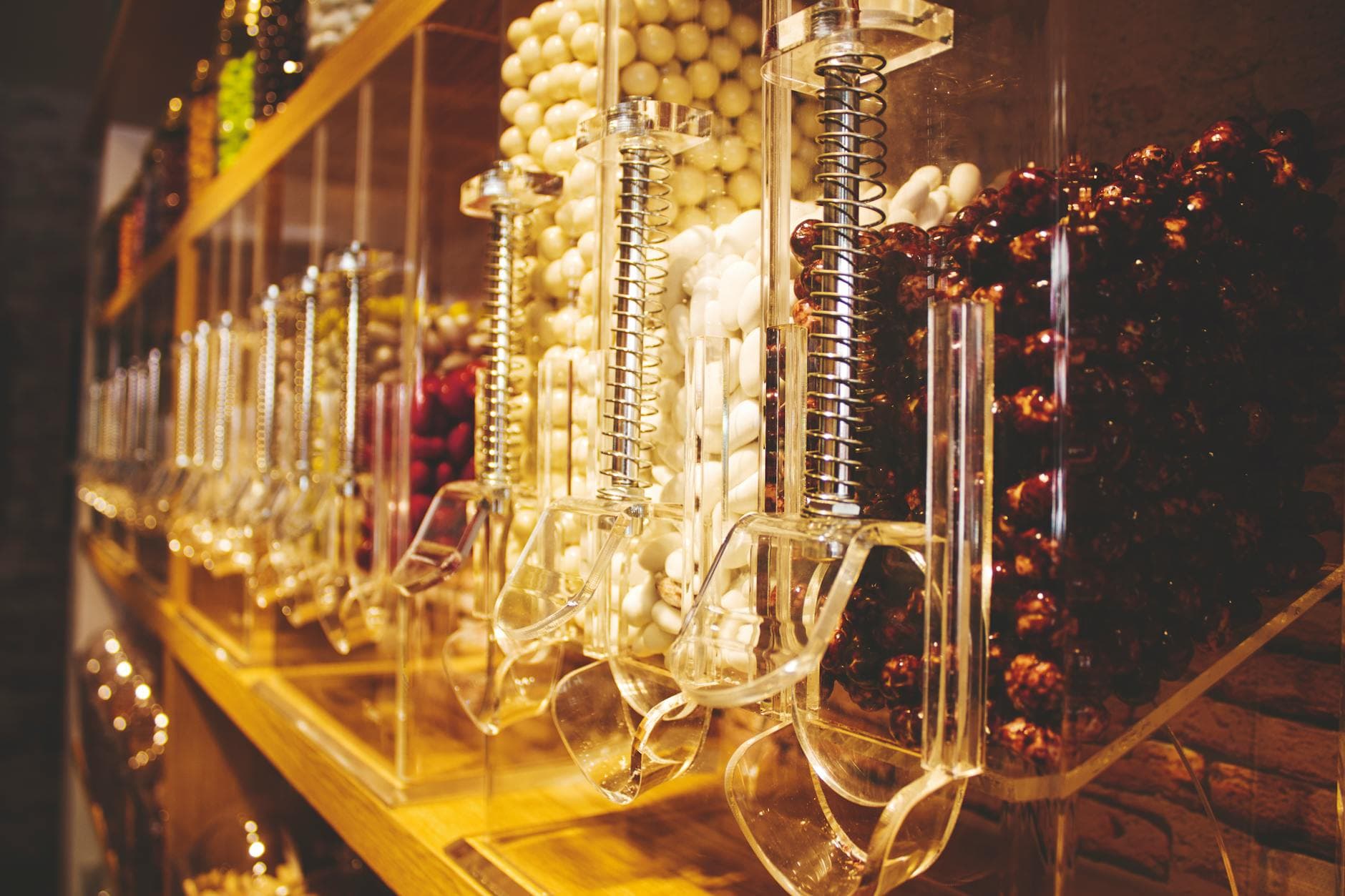
Candy Supplier Bhutan
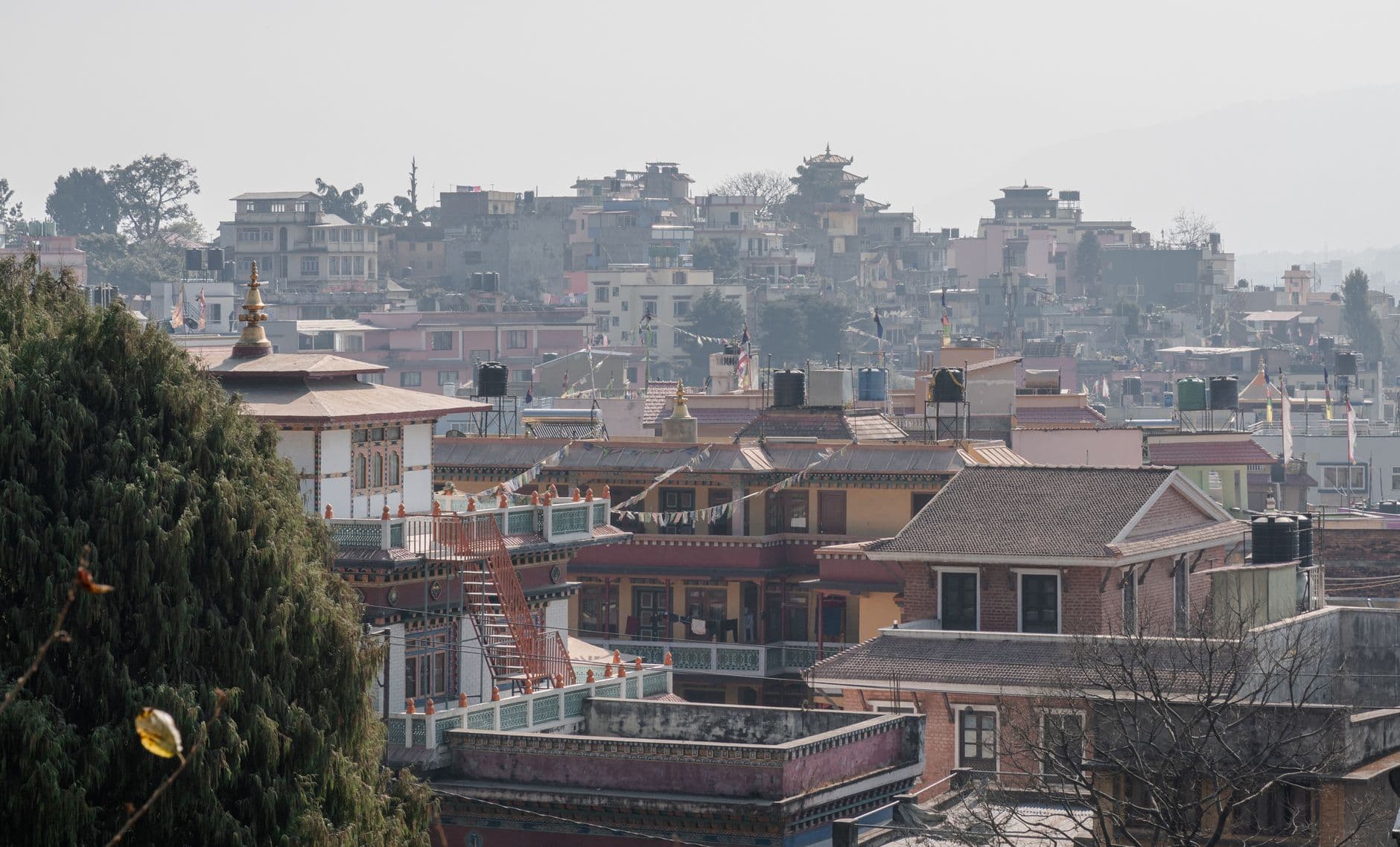
Bhutan is tiny — around 780,000 people — and, like Nepal, routes essentially all its import trade through India, making Candora's established Indian distribution network directly applicable. Bhutan's government regulates imports more carefully than most markets, consistent with the country's development philosophy of Gross National Happiness, which weighs consumer goods imports against cultural and environmental priorities. Modern retail is limited to Thimphu and a small number of other towns.
 By Rikard Kunsinsh, Candora TradingPublished July 16, 2026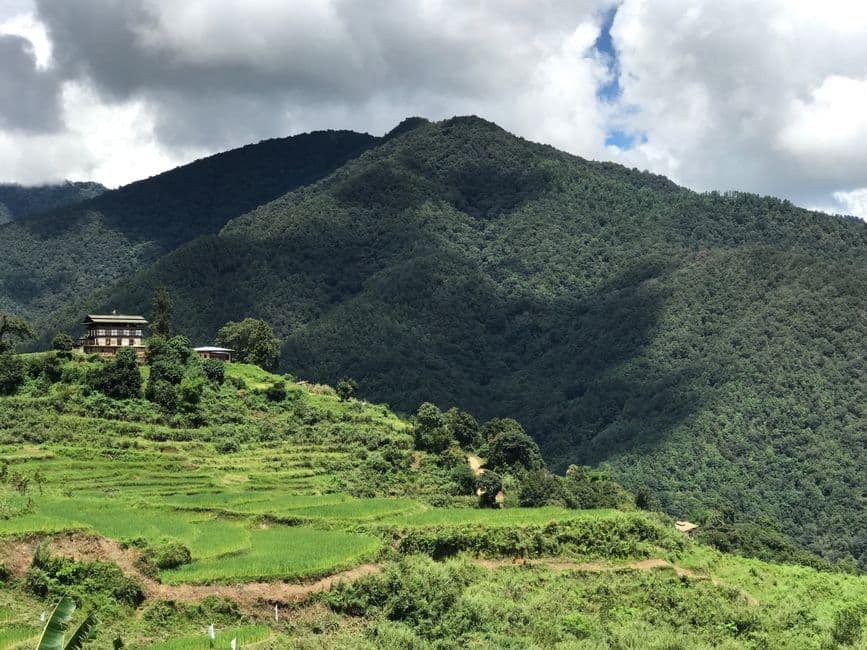
Bhutan Candy Market
Bhutan's confectionery retail is small and concentrated in Thimphu:
- Modern grocery retail is limited, with most trade running through smaller shops and traditional markets
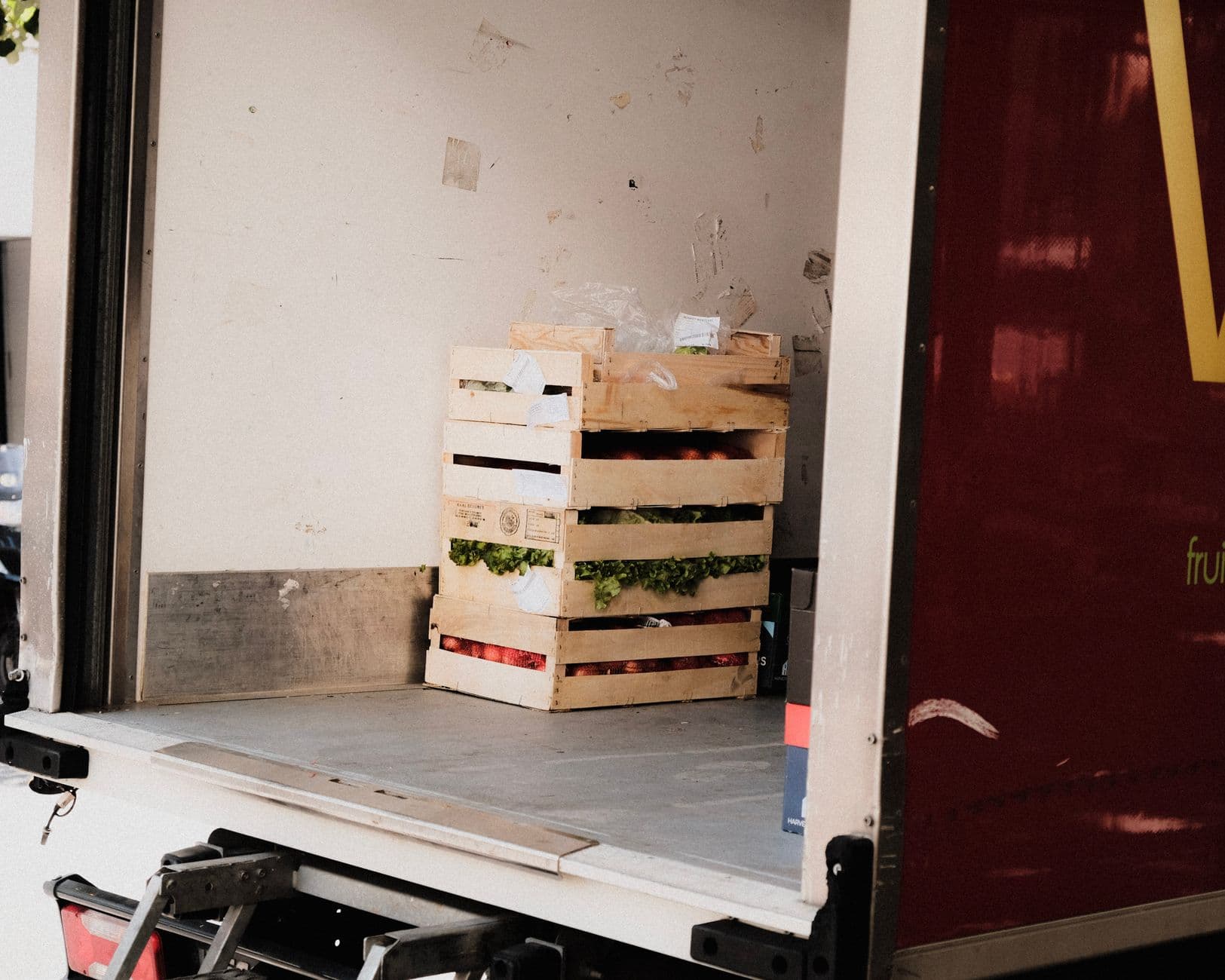
- Nearly all import freight enters via Kolkata port in India and moves overland — the same route structure Candora already uses for Nepal and northern India
- Bhutan's development philosophy places some weight on regulating consumer goods imports, though confectionery imports are not restricted
Given Bhutan's small scale, most orders are consolidated with shipments destined for Candora's Indian or Nepali distribution network.
Importing Candy into Bhutan
Key requirements for importing candy into Bhutan:
- Import registration — required through Bhutanese customs and food safety authorities
- India transit routing — nearly all import freight enters via Kolkata port and moves overland through India
- English and Dzongkha labelling — English is widely used in Bhutanese commerce, simplifying documentation
- Order consolidation — Bhutanese orders are typically shipped alongside Indian or Nepali distribution volumes
FAQ
Frequently asked questions
Yes. Nearly all import freight enters via Kolkata port in India and moves overland — the same logistics corridor Candora already uses for Nepal and northern India.
English is widely used in Bhutanese commerce alongside Dzongkha, simplifying labelling and documentation compared to many other Asian markets.
Small. Modern grocery retail is limited mostly to Thimphu, with much of the country still served by smaller shops and traditional markets.
Ready to get started?
Contact our team to discuss volumes, pricing, and supply structures for your market.