Candy stores Chocolate Wholesale: Complete Sourcing Guide
Candy stores chocolate represents a high-margin wholesale market with unique sourcing, operational, and customer behavior requirements. Complete guide for venue operators and purchasing managers.
 By Rikard Kunsinsh, Candora TradingPublished April 18, 2026
Candy Stores Market & Revenue Opportunity
Unlike every other venue type in this guide, candy is the entire business here, not an add-on category — customers are a destination audience specifically shopping for candy, not an incidental impulse buyer, which changes both assortment depth expectations and how much shelf space a single format can justify. For candy stores specifically, dedicated confectionery retail shapes how chocolate should be sourced and merchandised — buyers evaluating this venue type should plan around its actual demand pattern rather than applying a generic retail forecasting approach.
Candy Stores-Specific Chocolate Requirements
Bulk and pick & mix formats are expected as a core part of the shopping experience, not an occasional add-on — assortment breadth (both chocolate and gummy, across many sub-formats) matters more here than at any other venue type. Chocolate specifically carries the added heat-sensitivity consideration noted above for outdoor and exterior-exposed venues — temperature-controlled storage and careful placement away from direct heat sources matters more for chocolate than for gummy or hard candy formats.
Supplier Selection for Venue Operations
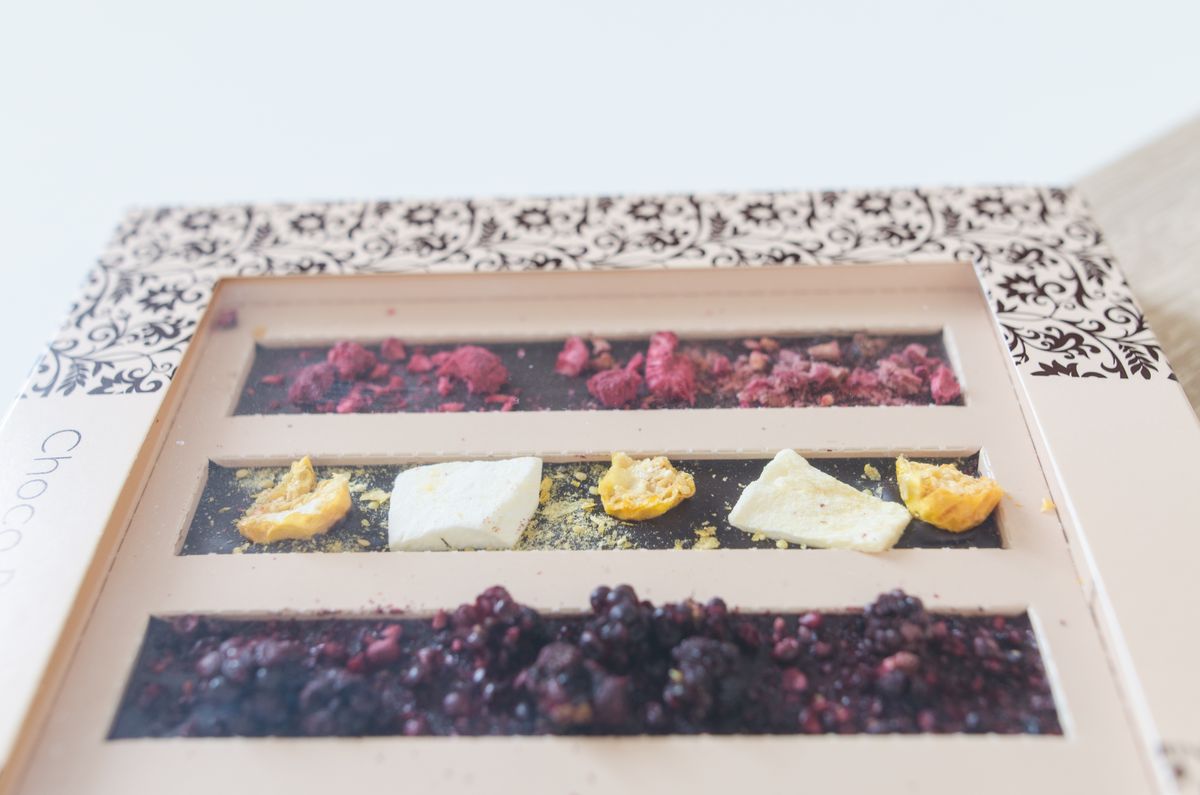
Candy stores need suppliers who can support genuine assortment breadth — bars, bulk bark, truffles, seasonal and limited-edition specialty items — rather than a narrow core range, since the customer is a destination shopper evaluating the store on variety and novelty, not just price. Suppliers with a compelling origin or provenance story (single-origin cacao, small-batch production) are disproportionately valuable here because staff can use that narrative directly in sampling and sales conversations, something that matters far less at an impulse-driven venue.
Because bulk bins and pick-and-mix formats are a core part of the shopping experience, prioritize suppliers who can fulfill smaller, more frequent orders reliably rather than only large standing volumes — freshness in an open bulk bin depends on tight replenishment cycles, which favors suppliers built for agility over ones optimized purely for scale.
Contract Structure & Volume Terms
Contract structure at candy stores should prioritize SKU breadth and rotation rights over simple volume locks — negotiate terms that let you swap in seasonal or limited-run specialty items without renegotiating the whole agreement, since a static, once-a-year assortment works against the novelty-driven demand that brings destination shoppers back. Private-label or store-branded bulk options are worth building into contract terms if your store's positioning supports it, since margin tolerance here is higher than at grocery-adjacent venues.
Because freshness and frequent replenishment matter more than at other venues in this guide, favor supply terms that support smaller, more frequent shipments over large infrequent ones — even if that means a slightly less favorable per-unit price than a big single order would secure, the reduction in bulk-bin staleness and shrinkage typically pays for the difference.
Inventory Planning & Display Optimization
Bulk bin freshness is the central inventory challenge specific to candy stores — chocolate exposed in open bins to store temperature fluctuations and repeated handling degrades and blooms faster than sealed retail packaging would, so replenishment needs to run on a tighter, small-batch cycle rather than a standard case-restock schedule. Build bin-level rotation checks into your standard routine rather than relying on a single store-wide inventory pass.
Because destination shoppers are actively browsing for variety, novelty and rotating specialty items justify premium shelf space well beyond what their sales velocity alone might suggest — the role of that space is partly to keep the assortment feeling fresh and worth a return visit. Plan seasonal specialty rotations (holiday shapes, limited-run flavors) deliberately, since this venue's customers notice and expect change in a way a convenience-store impulse buyer never will.
Have questions before you keep reading?
Get pricing, MOQs and lead times for your market.
Pricing Strategy & Margins
Retail margins run at the high end of the ranges in this guide, supported by the destination-shopping context and typically premium or curated positioning relative to mass retail. Chocolate typically supports a moderately higher price point than gummy or hard candy within the same venue given ingredient cost and perceived premium positioning, though the gap is narrower in venues (like cinema and theme parks) where captive-audience pricing already runs high across all formats.
Operational Excellence & Staff
Staff product knowledge is a genuine competitive lever at candy stores in a way it isn't at most other venues — the ability to describe cacao percentage, origin, and flavor notes, and to run in-store sampling of new or premium items, directly drives conversion for a shopper who came in specifically to explore the assortment. Training investment here should weight product education much more heavily than at high-turnover impulse venues.
Bulk bin hygiene and rotation is the other operational priority: staff need a routine for checking bins for melt, staleness, and cross-contamination between scoops, since these are far more visible in an open, browsable format than they would be in sealed packaging. A neglected or stale-looking bulk bin is noticed immediately by a destination shopper evaluating the whole store's quality, so bin maintenance deserves the same operational discipline as FIFO rotation in a normal storeroom.

Profitability & ROI Analysis
Candy stores support the highest margin tolerance in this guide — customers are there specifically for candy, not price-comparing against a broader grocery basket, which gives operators real room to price premium and novelty chocolate above what a general retail or impulse venue could sustain. ROI is driven less by raw volume and more by how effectively assortment breadth converts browsers into buyers: a wide, well-curated chocolate range that encourages exploration typically outperforms a narrow, price-competitive one on margin per square foot.
The tradeoff is that premium positioning and frequent small-batch replenishment carry real operational cost — bulk bin management, staff sampling programs, and rotation discipline all take labor time that a simpler, lower-touch venue wouldn't need. Profitability modeling should account for that labor investment explicitly rather than assuming margin gains come for free.
FAQ
Frequently asked questions
Small venues 50-200kg/month, Medium 200-500kg, Large chains 500kg+. Negotiate based on commitment.
Gross: 60-75%. Net after operations: 35-55% depending on labor, storage, shrinkage.
Weekly/bi-weekly for high-velocity items, monthly for slower. Depends on storage and velocity.
Shrinkage (**3-7%**), expiry management, staff training, seasonal spikes. Mitigation: FIFO rotation, inventory tracking, staff engagement.
Yes with 50+ tonnes/year. Negotiate private label or distributor exclusivity in your market.
Ready to get started?
Contact our team to discuss volumes, pricing, and supply structures for your market.
Related
Explore more
Wholesale
Convenience Stores Chocolate Wholesale: Complete Sourcing Guide
Wholesale
Retail stores Chocolate Wholesale: Complete Sourcing Guide

Wholesale
Airlines Chocolate Wholesale: Complete Sourcing Guide

Wholesale
Candy stores Gummy Wholesale: Complete Sourcing Guide

Wholesale
Cinema Chocolate Wholesale: Complete Sourcing Guide